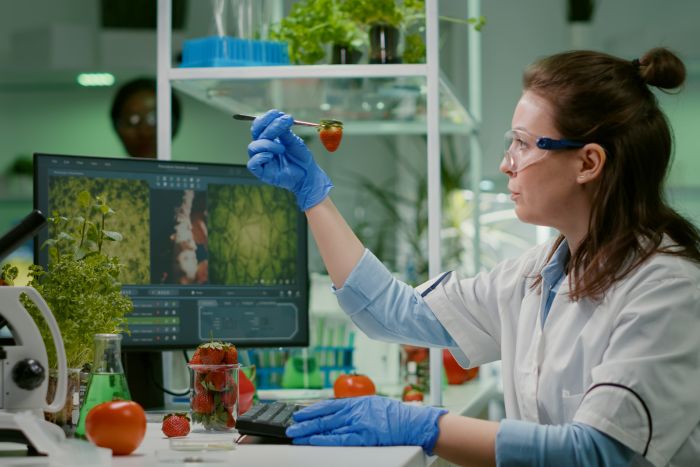
For decades, the wellness industry was largely dominated by generalized advice: eat less, move more, and rely heavily on willpower. However, as our understanding of human biology has deepened, a massive paradigm shift has occurred. Today, biotech innovations are fundamentally reshaping modern wellness, transforming it from a landscape of fad diets and one-size-fits-all routines into a highly personalized, scientifically rigorous discipline. By targeting the root biological causes of metabolic dysfunction, aging, and disease, biotechnology is offering unprecedented tools for achieving optimal health. This evolution is redefining what it means to be well, proving that true health is an intricate dance of genetics, hormones, and cellular function.
Key Takeaways
- Biotech innovations are transforming wellness from generalized advice to a personalized, science-based approach.
- These innovations help address metabolic health and weight management by revealing the biological factors behind obesity.
- Advanced medications like GLP-1 agonists regulate hunger and blood sugar, shifting the narrative about weight management.
- Biotechnology allows for personalized nutrition plans by mapping unique gut microbiomes, promoting better health.
- Wearable biosensors provide real-time data on physiological responses, empowering lifestyle adjustments for optimal health.
Table of contents
Decoding Metabolism and Weight Management with Biotech Innovations
Medical science recognizes that medication alone is rarely a silver bullet. The true power of these biotechnological advancements is unlocked when they are paired with foundational behavioral and dietary modifications. Recognizing that metabolic adaptation requires a holistic approach, leading wellness organizations have evolved to integrate these clinical tools with behavioral science. For individuals utilizing these advanced therapies, programs that offer WeightWatchers – Zepbound support provide the essential nutritional guidance and community backing needed to ensure long-term, sustainable success alongside clinical treatments. Perhaps the most visible and transformative area where biotech innovations has disrupted traditional wellness is in the realm of weight management and metabolic health. Historically, individuals struggling with weight were often unfairly blamed for a lack of discipline. Modern biotech has shattered this stigma by revealing the complex hormonal pathways that dictate hunger, satiety, and fat storage. Obesity and weight retention are increasingly understood as chronic biological conditions rather than moral failings.
The development of advanced medications, such as GLP-1 and dual GLP-1/GIP receptor agonists, represents a massive leap forward. These biotech breakthroughs mimic the body’s natural incretin hormones to regulate blood sugar, slow gastric emptying, and suppress appetite at a neurological level.
The Microbiome and Personalized Nutrition
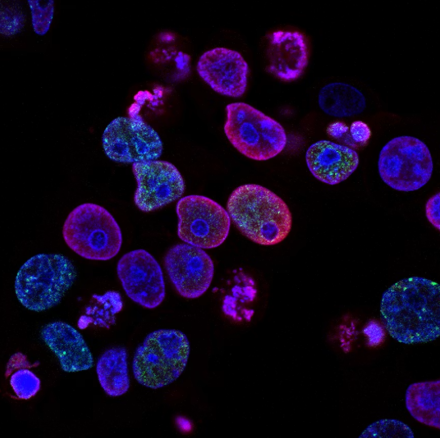
Beyond weight management, biotechnology is unlocking the hidden secrets of the human gut. The microbiome, a vast ecosystem of trillions of bacteria, fungi, and other microbes living in our digestive tract, is now understood to be a central command center for our immune system, mood regulation, and nutrient absorption. Thanks to high-throughput DNA sequencing, modern biotech allows us to map an individual’s unique gut flora with incredible precis
This has birthed the era of personalized nutrition. Instead of following generalized dietary guidelines, individuals can now receive bespoke nutritional blueprints based on their genetic makeup and microbial diversity. Research from leading academic institutions highlights how tailoring our diets to feed beneficial gut bacteria can reduce systemic inflammation and ward off chronic diseases using biotech innovations.
Continuous Monitoring and Wearable Biosensors
The integration of biotech innovations into daily life has also been accelerated by the advent of wearable biosensors. What began as simple step-counters has rapidly evolved into sophisticated medical-grade technology capable of monitoring physiological data in real time. Devices like Continuous Glucose Monitors (CGMs), initially developed strictly for diabetes management, are now being utilized by the broader wellness community to track metabolic responses to different foods, daily stressors, and exercise routines.
These biosensors provide immediate biofeedback, empowering individuals to make micro-adjustments to their lifestyle throughout the day. By continuously measuring biomarkers such as heart rate variability, blood oxygen levels, sleep stages, and glucose spikes, wearables successfully bridge the gap between clinical biotechnology and everyday habits. This constant stream of data removes the guesswork from wellness, allowing users to see exactly how their body reacts to their environment and choices in real-time.

Longevity and Cellular Health using Biotech Innovations
Finally, the frontier of modern wellness is expanding into longevity and cellular health. Biotech researchers are no longer just looking at how to extend the human lifespan, but how to extend our “healthspan”, the number of years a person lives free from chronic disease and physical decline. Innovations in this sector focus deeply on cellular senescence, DNA repair mechanisms, and mitochondrial function.
Through the study of epigenetics, scientists are discovering how lifestyle factors can literally turn certain genes on or off. Interventions such as NAD+ precursors, senolytic therapies, and targeted amino acid protocols are emerging from the laboratory and entering the proactive wellness space. These innovations aim to optimize cellular efficiency, delay the biological aging process, and enhance cognitive and physical vitality well into our later years.
The intersection of biotechnology and wellness is not a passing trend; it is the definitive future of human health. By decoding the intricate biological mechanisms that govern our bodies, biotech innovations are replacing outdated guesswork with personalized precision. As these life-changing technologies become more accessible and integrated into our daily routines, the modern wellness landscape will continue to evolve, promising a future where vibrant, long-lasting health is an achievable reality for everyone.