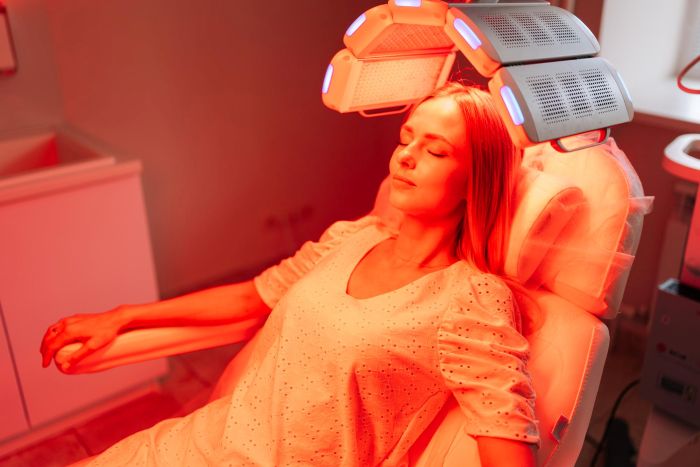
The boundary between clinical health technology and consumer wellness devices has been narrowing steadily over the past decade. Few categories illustrate the shift in home health technology more clearly than red light therapy, where devices once found exclusively in physiotherapy clinics and sports medicine facilities are now available for home use at specifications that rival their clinical counterparts.
In Australia, StreamShop Australia has become the first Australian company to offer laser light therapy devices including laser beds and laser mats for home use. StreamShop Australia also supplies red light therapy panels and facial masks listed on the Australian Register of Therapeutic Goods as Class IIa medical devices, bringing a level of regulatory rigor to the home wellness technology market that has historically been absent from consumer-facing products in this category.
Key Takeaways
- The boundary between clinical health technology and consumer wellness devices has blurred, especially with red light therapy.
- StreamShop Australia offers ARTG-listed laser light therapy devices, enhancing consumer confidence in safety and performance standards.
- Class IIa ARTG listing ensures that devices meet strict regulatory requirements for therapeutic claims in Australia.
- Red light therapy operates by delivering specific wavelengths to biological tissue, promoting healing and reducing inflammation.
- Home health technology’s accessibility has improved, making clinical-grade devices available, especially for those in remote areas.
Table of contents
Understanding Class IIa ARTG Listing
The Australian Register of Therapeutic Goods is the database of therapeutic goods that can be legally supplied in Australia. Devices listed on the ARTG as Class IIa medical devices have met the regulatory requirements set by the Therapeutic Goods Administration to be represented as therapeutic devices in Australia.
In practical terms, this means a Class IIa ARTG listed device has been assessed as meeting defined safety and performance standards. The wavelength output, irradiance levels, and therapeutic claims associated with the device sit within a regulated framework rather than being self-declared by the manufacturer. This is a meaningfully higher standard than most consumer electronics or general wellness products are required to meet.
For the home health technology market, ARTG listing at Class IIa represents a significant quality differentiator. It provides consumers with a level of confidence in device performance and safety that unregistered wellness claims cannot offer.
The Technology Behind the Devices
Red light therapy, formally known as photobiomodulation, operates by delivering specific wavelengths of red and near-infrared light to biological tissue. When absorbed by cells, this light stimulates mitochondrial activity through a process involving cytochrome c oxidase, a photoreceptor within the mitochondrial respiratory chain. The result is increased adenosine triphosphate production, reduced oxidative stress, modulation of inflammatory pathways, and accelerated tissue repair.
The wavelengths used in therapeutic applications range from 630nm at the red end of the spectrum through to 850nm in the standard near-infrared range. StreamShop Australia’s devices extend significantly beyond this, with panels reaching 1060nm near-infrared and laser mats and beds operating at 1064nm using low-level laser diodes rather than LED technology.
The distinction between LED and laser at these wavelengths is clinically relevant. LED devices emit broad-spectrum non-coherent light across the treatment area. Low-level laser devices emit coherent, focused light at a specific wavelength, delivering a concentrated photobiomodulation dose at depths that LED technology cannot match. At 1064nm, this light penetrates to deeper joint structures, connective tissue, and bone, extending the therapeutic range of home devices into territory previously accessible only in specialist laser therapy clinics.
Device Categories and Applications
StreamShop Australia’s Class IIa ARTG listed range covers panels and facial masks. Their panels operating at up to 1060nm near-infrared are designed for whole-body or large-area treatment. The user stands or sits at a set distance during sessions of 10 to 20 minutes, receiving simultaneous exposure across a large surface area. These panels are used for skin health applications including collagen stimulation and wound healing, as well as systemic applications including inflammation reduction, sleep quality improvement, and general recovery support.
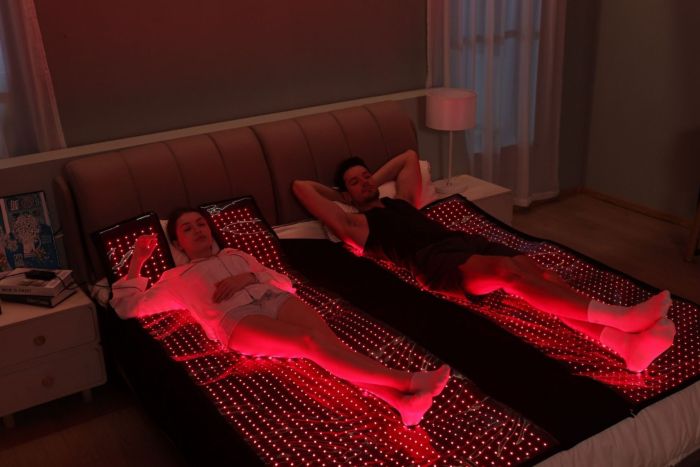
Laser mats operating at 1064nm using low-level laser diodes provide a different treatment modality. The user lies directly on the mat, receiving light from below through the posterior body surface. The 1064nm wavelength and laser technology deliver penetration depth suited to chronic pain conditions, deep joint issues, and musculoskeletal recovery needs that standard LED mats cannot address effectively.
Laser beds provide comprehensive full-body simultaneous exposure at 1064nm, covering every body surface in a single session. This format has historically been found in professional sports medicine and physiotherapy settings. Its availability for home use represents a meaningful shift in the accessibility of clinical-grade light therapy technology.
Facial devices in the range include an LED mask operating at 1072nm with a neck attachment for extended treatment coverage, and a laser mask at 1064nm for deeper facial tissue penetration. Both the panels and facial masks are listed on the Australian Register of Therapeutic Goods as Class IIa medical devices.
Regulatory Context in Australia
Australia’s Therapeutic Goods Administration requires medical devices to meet defined safety and performance standards before they can be listed on the ARTG and represented as therapeutic in nature. Class IIa listing sits within this framework, providing a formal pathway for devices that deliver therapeutic outcomes to be assessed and listed appropriately.
The growing availability of ARTG listed Class IIa devices in the consumer market reflects both the maturation of the home health technology and the increasing demand from Australian consumers for home health technology that meets verifiable regulatory standards rather than relying on unsubstantiated marketing claims.
StreamShop Australia’s position in this market is built on device specifications that can be independently verified, ARTG listings that reflect formal regulatory assessment for their panels and facial masks, and a product range designed to deliver therapeutic outcomes consistent with the clinical research base supporting photobiomodulation as a treatment modality.
Accessibility and the Home Health Technology Shift
The shift toward home-based medical grade home health technology reflects broader changes in how Australians access and manage their health. For those in regional and rural areas where specialist clinic access is limited, home devices offering clinical-grade specifications represent a meaningful improvement in health technology accessibility. For urban users, the economics of home ownership versus ongoing clinic visit costs make the investment case straightforward over any medium-term timeframe.
The availability of medical grade red light therapy devices australia wide through suppliers like StreamShop Australia signals a broader maturation of the home health technology category, where regulatory standards and clinical specifications are becoming baseline expectations rather than premium differentiators.