
If you’re like everyone else, the last 12 months have been both one big blur and filled with far too many video conferences. Nearly overnight, Zoom and other video conferencing tools became the norm for displaced workers to still connect and meet in the new COVID normal. Quickly, video became the norm even when the meeting could have easily been handled over email or a quick phone call. With all the Zoom fatigue, it’s time to start innovating with WebXR.
Key Takeaways
- Zoom fatigue stems from design flaws in video chat that exhaust users, such as close-up eye contact and increased cognitive load.
- WebXR offers an innovative alternative by providing an immersive, three-dimensional social experience accessible via browsers on mobile and PC.
- Unlike traditional video chat, WebXR allows users to control avatars and use spatial audio, enhancing social interaction.
- WebXR can host immersive meetings and also function as a tool for content delivery in various formats, including events and museum installations.
- Educational and training opportunities in WebXR show promise, allowing for quicker learning and deeper emotional connections to content.
Studies show exhaustion
In a recent study by the Stanford Virtual Human Interaction Lab, they note that video chat platforms “have design flaws that exhaust the human mind and body.” They note the four reasons for this exhaustion. These include close-up eye contact, seeing yourself in real-time, reduced mobility, and increased cognitive load. Now, amplify this over an entire year. You can easily see why work drains employees so much, because video conferencing is far removed from natural social interaction.
As an innovative alternative, several companies have begun utilizing a new platform, WebXR. It combats many of the factors contributing to “zoom fatigue”. WebXR is an immersive, three-dimensional social experience that runs across devices (mobile, PC, and VR) right out of a web browser.
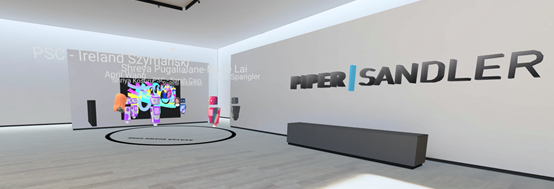
Think of WebXR like a multiplayer video game that runs online. You control an avatar to move throughout space and talk with others. The really cool features include spatial audio and spatial presence, two things that you don’t get on traditional 2D video chat.
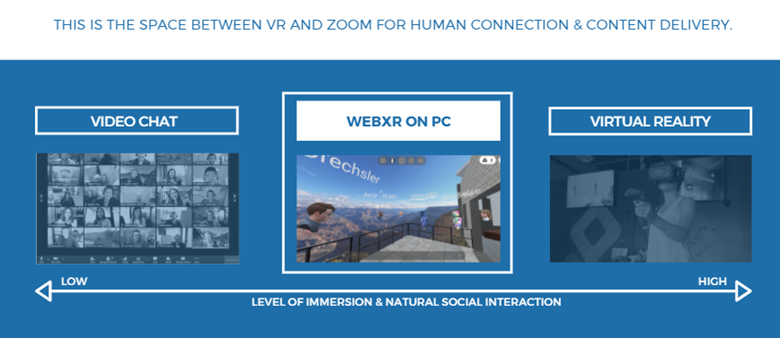
While WebXR doesn’t look to fully replace video chat, it does provide a unique and alternate option for companies and organizations in any industry. It sits nicely in between video chat and full virtual reality. The fact that it works on mobile and PC makes it just as accessible as your favorite video conference service. That’s why we need to start innovating with WebXR.
Now, besides hosting more immersive, less taxing meetups, meetings, and social hours on the platform, users can also use it as a tool for content delivery. This can include speaker series, museum installations, and brand activations as well.
Recently, Minneapolis-based XR Agency, REM5 STUDIOS, built out an entire Hall of Fame experience for the Minnesota Twins in WebXR. This allowed fans from all over the world to visit and explore together as long as they wanted. They could do this whenever they wanted. The 3D modeled space contained multiple clubhouses with shines for each player, plus archival photos and video. Fans were even able to select avatars with Twins jerseys from over the years. It was an engaging and immersive brand experience that couldn’t be told any other way.
The Twins and major sports teams are just one example of the unlimited use cases for WebXR. Earlier this year, Sundance Film Festival went all online with an impressive WebXR component for their New Frontiers section of the event.
Innovating with WebXR
Another big opportunity is in the education and training space. According to PWC, immersive platforms allow participants to learn quickly. They can also be more emotionally connected to the content. Museums can now deliver immersive content and extend their geography overnight. These types of experiences are just in their infancy. They will live long beyond the “end” of COVID. They will serve as a new tool to reach audiences both internally and externally for years to come.