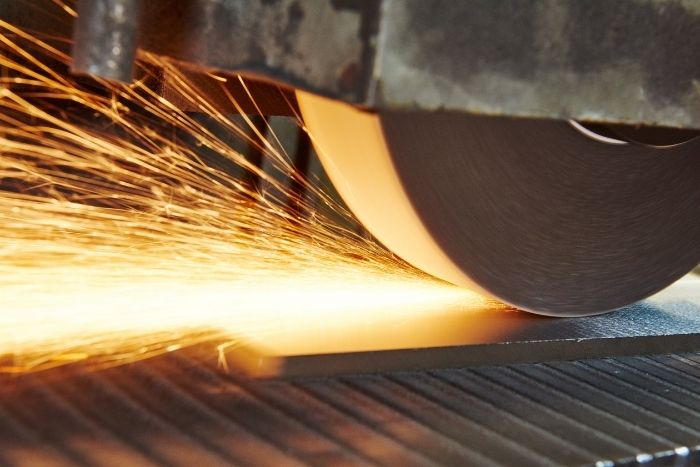
Metal alloys on their own can be strong, but without refinement, they often carry weaknesses such as corrosion, brittleness, and inconsistent surface structure. The hardness of a metal influences how brittle it can become, while its chemical composition determines its resistance to oxidation and environmental damage. Through advanced processes, raw metals are transformed into high-performance materials. For example, when iron is combined with carbon and treated through controlled finishing processes, it becomes steel—significantly stronger and more versatile than its original form. This transformation highlights the importance of metal finishing, especially in industries where durability, conductivity, and precision are critical.
Today, hi tech metal finishing goes far beyond simple polishing. It includes electroplating, anodizing, passivation, and thermal treatments that enhance both mechanical and electrical properties. Understanding these processes helps engineers and manufacturers select the right materials for demanding applications, from infrastructure to advanced electronics.
Key Takeaways
- Metal finishing strengthens alloys, reducing rust and brittleness by blending metals like iron into steel.
- Finishing metal results in smoother surfaces, reducing wear and tear, particularly vital for machine and engine parts.
- Properly finished metals enhance electrical conductivity, making them ideal for cabling and wiring applications.
- Finished metals promote adhesion, allowing better bonding for paints and adhesives due to their smooth surfaces.
- Understanding the importance of metal finishing impacts performance and functionality in metalwork applications.
Table of contents
Reduces Wear and Tear
One of the primary benefits of metal finishing is improved durability. Finished metals have smoother, more uniform surfaces, which reduces friction between moving parts. This is especially important in engines, turbines, and industrial machinery where components operate under continuous stress.
Surface finishing techniques such as grinding, polishing, and coating reduce micro-abrasions that can lead to fatigue failure. In high-load environments, even minor imperfections can grow into cracks over time. By eliminating these irregularities, finished metal parts perform more reliably and require less maintenance.
This is particularly critical in precision manufacturing, where tolerance levels are tight and failure is not an option. Whether in automotive systems or aerospace engineering, finishing processes ensure that metal components meet strict operational standards.
Helps With Electrical Conductivity
Metal finishing plays a vital role in improving conductivity, especially in systems involving commercial electrical wiring and high-performance electronics. Raw metals often contain impurities and surface irregularities that interfere with electron flow. Finishing processes refine the surface, reducing resistance and enhancing efficiency. These metals are all finished and processed to have the highest conductivity they wouldn’t normally have in their original forms.
In applications involving electron devices and circuits, conductivity is everything. Polished and plated metals—such as copper, silver, and gold—are commonly used because they allow electrons to move more freely. This is essential for stable signal transmission and energy efficiency.
Additionally, in circuit boards applications uses electronics devices, metal finishing ensures reliable connections between components. Techniques like electroplating create thin, conductive layers that improve performance while protecting against oxidation. Without these treatments, circuits would degrade quickly and fail under normal operating conditions.
Promotes Adhesion
Finished metals provide an ideal surface for coatings, paints, and adhesives. The finishing process creates a clean, uniform substrate that allows materials to bond more effectively. This is crucial in industries where protective coatings are needed to prevent corrosion or enhance appearance.
For example, when iron is combined with carbon and treated through controlled finishing processes, it becomes steel—significantly stronger and more versatile than its original form, making it ideal for structural components and precision machined parts.
This aspect of finishing is often overlooked, but it directly contributes to product longevity and performance. From decorative finishes to industrial coatings, adhesion depends heavily on proper surface preparation.
The Importance of Metal Finishing in Advanced Applications
As technology evolves, the importance of metal finishing becomes even more pronounced. Modern electronics rely on extremely precise and reliable materials. From microchips to large-scale power systems, finishing processes ensure that metals meet the exact requirements needed for performance and safety.
In hi tech metal finishing, innovations such as nanocoatings and plasma treatments are pushing the boundaries of what metals can do. These techniques enhance conductivity, reduce heat generation, and improve resistance to environmental factors—all of which are critical in next-generation devices.
Whether it’s supporting commercial electrical wiring, enabling efficient electron devices and circuits, or optimizing circuit boards applications uses electronics devices, metal finishing remains a foundational process in both traditional manufacturing and cutting-edge technology.
In the end, metal finishing isn’t just about making materials look better—it’s about unlocking their full potential. From strength and durability to conductivity and adhesion, the finishing process determines how well a metal performs in real-world applications.