The world is moving toward cleaner and more sustainable energy, greatly altering the way people understand how energy is produced, stored, and consumed. As large-scale solar farms and wind projects are being scaled up, another aspect of the clean-energy movement is taking place on a much smaller and more personal level. Portable solar technology is providing a new method of accessing renewable electrical power to travelers, homeowners, outdoor enthusiasts, and off-grid communities without being fully dependent on traditional power systems.
Table of contents
From Traditional Power to Portable Energy
For years, having a reliable power supply has been based mainly on centralized power grids. While they are critical, not all areas have the same type of infrastructure, and even the most robust electric grid can be susceptible to failures from weather conditions, infrastructure deficiencies, and other issues.
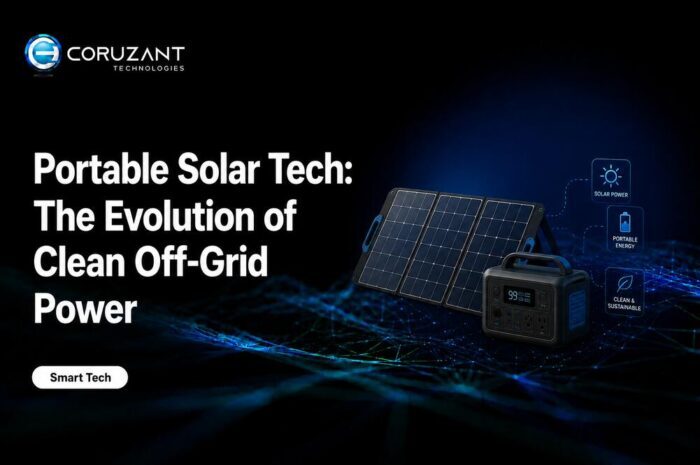
Portable renewable-energy systems provide another degree of flexibility. Users can combine solar panels with portable power stations to generate and store electricity, allowing them to maintain access to power when sunlight is available and use stored energy later.
This flexibility comes in handy when camping, traveling by road, preparing for emergencies, working away from home, using recreational vehicles, or operating in places where it is difficult to connect to the regular power grid.
Why Portable Solar Technology Is Gaining Momentum
Portability has been one of the biggest technological advancements in solar energy. Earlier solar systems tended to require permanent installation, significant roof area, and professional configuration. Permanent installations, such as rooftop solar Singapore projects, suit fixed energy needs, while portable systems provide greater mobility and flexibility. Modern portable systems are much easier to move around and integrate into everyday life.
Improvements in solar-cell efficiency have also led to more effective panels that are less cumbersome to transport. With foldable designs, lighter materials, and better charging technology, solar power has become a viable alternative in situations where fuel-powered generators or conventional electricity may be impractical.
With more consumers looking into renewable energy options, portable solar panels are more than just emergency solutions. They are becoming a practical tool for everyday energy independence.
The Growing Role of Power Stations and Energy Software
Solar panels are only one part of the portable-energy equation. Electricity also needs to be stored because sunlight is not continuously available.
A portable power station can store electricity produced during the day and make it available at night. Depending on its capacity and configuration, it can power a wide range of devices, from smartphones and laptops to lights, refrigerators, and other equipment.
The software layer is becoming increasingly important as these systems become more connected. Modern portable power stations may use mobile applications and wireless connectivity to let users monitor battery levels, solar input, power consumption, charging status, and estimated runtime in real time. This gives users greater visibility into how their energy is being generated and consumed.
There are also compatibility considerations when connecting different components. Solar panels and power stations are not all designed the same way. Voltage, current, connectors, input limits, and charging specifications can all affect system performance.
Understanding portable solar panels for power stations can therefore be important for consumers comparing brands and configurations to determine which setup best suits their energy needs.
Making Off-Grid Living More Practical
Portable solar technology is also changing the concept of off-grid living. Going off-grid does not necessarily require a large, permanent renewable-energy installation. For some users, it may simply mean having the ability to generate and store enough portable electricity to power essential devices for a specific period.
This is especially useful for people who spend significant time outdoors or away from home. A portable system can move with the user, allowing renewable electricity to support different activities instead of being confined to a single property.
Software can make these systems even more useful. Energy-monitoring applications can provide information about consumption patterns, remaining battery capacity, and solar generation, helping users decide which devices to operate and when to conserve stored power.
For remote workers, this can mean keeping computers, communication equipment, and other essential devices running away from traditional office infrastructure. For campers and travelers, it can provide a cleaner alternative to continuously relying on a gasoline generator.
Clean Energy and Emergency Preparedness
Portable solar systems are also gaining relevance in emergency preparedness. Electricity supplies may be temporarily interrupted during severe storms, natural disasters, and unexpected grid failures. An independent power-generation and storage system can help households keep communication devices, lighting, and essential electronics operational.
Unlike traditional fuel generators, solar systems do not depend on gasoline or diesel fuel for operation and generate electricity without direct combustion emissions. They still have limitations, including battery capacity, weather conditions, energy consumption, and the availability of sunlight, but they can serve as a useful standby power option during emergencies.
Connected software can add another layer of visibility during these situations. Users may be able to check battery status, monitor incoming solar power, and manage connected devices through a mobile application without constantly checking the physical power station.
What Comes Next for Portable Solar
As the technology evolves, further advancements in solar efficiency, battery storage, materials, and system integration are likely to shape the future of portable solar technology. Portable renewable-energy systems could become easier to integrate into daily life as the weight of panels and batteries decreases and usable capacity improves.
Software is likely to play an increasingly important role in this evolution. Energy-management platforms can analyze power consumption, monitor battery health, track solar generation, and help users determine when to charge, conserve, or use stored electricity.
IoT connectivity could allow portable solar systems to communicate with smartphones and other connected devices, providing remote access to system performance and automated energy controls. Smart charging features could also help optimize how available solar energy is distributed between batteries and connected equipment.
These developments could enable users to make more effective use of available sunlight while reducing unnecessary energy consumption. The trend is therefore not only about improving individual devices. It is also part of a broader movement toward distributed energy, where people have greater control over how and where they access electricity.
A More Flexible Energy Future
Clean energy does not have to be restricted to large infrastructure or permanent installations. The development of portable solar power is bringing renewable energy within reach of individual consumers and creating new opportunities for travel, recreation, emergency preparedness, remote work, and off-grid applications.
With continuing advances in hardware, software, battery technology, and connectivity, portable solar power and energy storage may become an even more common part of everyday life. Connected energy-management software can make these systems easier to monitor and optimize, while smart controls can help users make better use of available solar power.
Portable solar is not a perfect substitute for traditional energy infrastructure, but the combination of renewable hardware, intelligent software, and energy storage is making off-grid power increasingly capable, flexible, and resilient. As these technologies continue to develop, cleaner and smarter energy may become accessible in more places and situations than ever before.