


For many years, a front door served one simple purpose: it kept unwanted visitors outside and welcomed familiar faces in. Today, however, the entrance to a home has become a much more active space. Delivery drivers arrive throughout the day, friends stop by unexpectedly, and homeowners may be away when someone rings the bell. A modern doorbell camera helps people stay connected to this important part of their home security, offering a way to see who is outside and respond even when they are somewhere else.
This change reflects a broader shift in how people think about residential security. Protecting a property is no longer only about locking doors or installing cameras around the building. It is also about understanding what happens at the entrance, having useful information when someone approaches, and being able to make informed decisions without constantly checking outside.
Key Takeaways
- Video doorbell cameras enhance home security by allowing homeowners to see and communicate with visitors remotely.
- They provide important convenience features such as motion detection, notifications, and two-way communication for managing deliveries and guests.
- Homeowners should consider factors like image quality, power options, and privacy settings when choosing a video doorbell.
- Deliveries increase the need for doorstep monitoring, making video doorbells helpful for package awareness and security.
- Installing a video doorbell requires thoughtful placement and consideration of privacy, ensuring it focuses on the entrance without infringing on neighbors.
Table of contents
- The Front Entrance Is a Busy Part of Everyday Life
- Convenience Is Becoming Part of Home Security
- What Makes a Video Doorbell Useful in Home Security?
- Deliveries Have Made Doorstep Monitoring More Important
- Privacy Should Be Considered Alongside Protection in Home Security
- Choosing a System That Fits the Home Security
- A More Connected Approach to Everyday Living
- Frequently Asked Questions
- 1. What is a video doorbell used for?
- 2. Does a video doorbell work when nobody is home?
- 3. Is a wired or battery-powered doorbell better for home security?
- 4. Do doorbell cameras record all the time?
- 5. Do video doorbells require a monthly subscription?
- 6. Can a video doorbell help protect delivered packages?
- 7. What should homeowners check before installing one?
The Front Entrance Is a Busy Part of Everyday Life
A home’s entrance experiences more activity than many people realize. It is where groceries are delivered, parcels are left, neighbors stop for a conversation, and service professionals arrive for appointments. In a busy household, these interactions can happen while everyone is working, studying, cooking, or away from home.
Traditional doorbells provide very little information. A sound tells someone that a visitor is waiting, but it does not explain who the person is or why they have arrived. If nobody is available to answer, the interaction may end without the homeowner knowing whether it was a neighbor, a delivery driver, or someone they were expecting.
Video-enabled doorbells add another layer of awareness. Instead of relying entirely on the sound of a bell, residents can receive an alert and view activity near the entrance. This can be especially useful for people who work remotely, parents managing busy schedules, and homeowners who travel regularly.
Convenience Is Becoming Part of Home Security
Security technology is often discussed in terms of preventing theft or responding to suspicious activity. Those goals matter, but convenience also plays an important role in whether people actually use a system consistently.
Consider a common situation: a delivery arrives while the homeowner is in a meeting. Without a way to check the entrance, the person may miss the delivery or discover later that the parcel has been left somewhere exposed. With a connected doorbell, they may be able to view the visitor and communicate through their phone, depending on the device’s capabilities.
The same principle applies when a family member arrives home earlier than expected or a maintenance worker visits while the property owner is away. Having access to a live view and two-way communication can make these everyday interactions easier to manage.
The real benefit is not simply having another device connected to the internet. It is reducing uncertainty around routine events that would otherwise require someone to be physically present.
What Makes a Video Doorbell Useful in Home Security?
Not every smart doorbell offers the same experience. Before choosing one, homeowners should consider how the device will fit into their property, daily routine, and existing technology.
Image quality and viewing angle
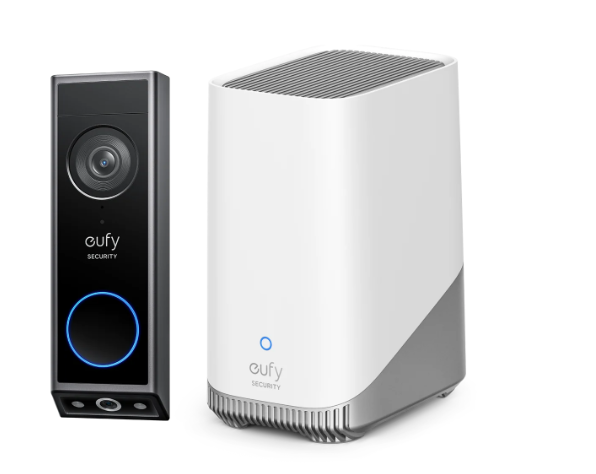
Clear footage is essential because the purpose of a camera is to provide useful visual information. Resolution matters, but so does the viewing angle. A camera should capture enough of the entrance to show visitors and, where possible, the area immediately around the doorstep. Some designs also provide additional views to make it easier to monitor packages placed below the main camera.
Motion detection and notifications
A doorbell camera may detect movement before anyone presses the button. This can help residents notice someone approaching the entrance, but detection settings should be chosen carefully. A device that sends alerts every time a passing vehicle or moving branch enters its field of view can quickly become frustrating.
Adjustable motion zones and intelligent detection features can make notifications more relevant. The goal is to receive useful information rather than a constant stream of interruptions.
Two-way communication
The ability to speak with someone outside is another practical feature. A homeowner might ask a courier to leave a parcel in a suitable location or tell an expected visitor that they will be at the door shortly. This can be helpful when someone cannot immediately reach the entrance.
Power and installation
Some models use existing doorbell wiring, while others operate on rechargeable batteries. Wired options may suit homeowners who prefer a permanent installation and have compatible wiring. Battery-powered devices can offer more flexibility, particularly where existing wiring is unavailable. Checking power requirements and installation instructions before purchasing can prevent unnecessary complications.
Deliveries Have Made Doorstep Monitoring More Important
Online shopping has changed the way households use their front entrances. Packages may arrive at different times, sometimes when nobody is home. In apartment buildings and residential neighborhoods, delivery instructions are not always followed exactly, and parcels may be left in locations that are visible from the street.
This creates a small but meaningful security challenge. A package can be delivered successfully while still being vulnerable to accidental collection, weather exposure, or theft.
Some smart doorbell systems include features designed to improve delivery awareness. Depending on the model, users may be able to receive alerts when activity occurs near the entrance and check whether a parcel has been left behind. Certain systems offer additional package-monitoring functions, making it easier to keep track of deliveries.
These tools do not guarantee that a parcel will remain safe. However, they can help homeowners respond more quickly when something unexpected happens. For people who regularly order household essentials, electronics, or other valuable items, that extra visibility can be worthwhile.
Privacy Should Be Considered Alongside Protection in Home Security
Installing a camera at the front door introduces an important responsibility: recording activity in a shared environment. A homeowner may want to protect their property, but neighbors, visitors, and people walking past also have reasonable privacy interests.
Camera placement should therefore be deliberate. The device should focus primarily on the property’s entrance rather than unnecessarily recording neighboring windows, private outdoor spaces, or areas beyond the property boundary. Motion zones can help limit unwanted monitoring when the device supports them.
Data storage is another consideration. Some systems rely on cloud services, while others provide local storage options. Homeowners should understand where recordings are kept, how long they remain available, and what security protections are used to prevent unauthorized access.
It is also sensible to secure the associated account with a strong, unique password and enable additional account protection where available. A security device should not become a weak point in the home’s digital environment.
Choosing a System That Fits the Home Security
The most expensive device is not automatically the best choice for every home. A household in a detached property may have different requirements from someone living in a rented apartment. Likewise, a family that receives frequent deliveries may value package-related features more than a household that rarely has visitors.
Before making a decision, consider a few practical questions:
- Is there existing doorbell wiring, or would a battery-powered model be easier to install?
- Does the entrance need a wider viewing angle or additional camera coverage?
- Is two-way communication important for managing visitors and deliveries?
- Would local storage be preferable to a subscription-based cloud service?
- Does the device work with the home’s Wi-Fi network and any existing smart home equipment?
- Are the installation instructions and privacy settings suitable for the property?
Exploring the eufy video doorbell collection from Anker can help shoppers compare available options and consider which combination of viewing, communication, power, and storage features matches their needs. Reviewing the specifications of individual models is important because capabilities and compatibility can vary.
A More Connected Approach to Everyday Living
Smart home technology is most valuable when it solves ordinary problems without making daily routines more complicated. A video doorbell is a good example of this idea. It brings a familiar household object into the connected home, giving residents more information about an area they interact with every day.
Its usefulness extends beyond unusual security situations. It can help someone answer a delivery while working, identify an expected visitor, or check the entrance after receiving an alert. These small moments can make a home feel easier to manage, particularly when family members have different schedules.
At the same time, technology works best when supported by sensible habits. Residents should continue locking doors, checking delivery arrangements, maintaining their devices, and reviewing privacy settings. A camera is an additional layer of awareness, not a replacement for basic security practices.
The front door may still be the place where visitors knock and packages arrive, but the way homeowners manage it is changing. With thoughtful selection and responsible use, a connected doorbell can turn an ordinary entrance into a more informed and manageable part of modern home life.
Read Next
A few related pieces worth your time:
- Status Labs on How to Suppress a Negative News Article
- Tech Leaders Can Learn From Robotic Welding Adoption on the Shop Floor
- Smart Cities: How Large-Scale LED Displays Support Urban Communication
Frequently Asked Questions
1. What is a video doorbell used for?
A video doorbell allows homeowners to view activity near their entrance. Depending on the model, it can provide motion alerts, live video, recorded footage, and two-way communication with visitors through a connected device.
2. Does a video doorbell work when nobody is home?
Yes, many Wi-Fi-enabled models allow users to receive notifications and check live video remotely through a mobile application. The experience depends on the device, internet connection, power supply, and app functionality.
3. Is a wired or battery-powered doorbell better for home security?
Neither option is universally better. Wired models can be suitable for homes with compatible existing wiring, while battery-powered models offer greater installation flexibility. The right choice depends on the property’s setup and the homeowner’s preferences.
4. Do doorbell cameras record all the time?
Recording behavior varies by model. Some devices primarily record when motion is detected or when someone presses the doorbell, while others may offer additional recording options. Buyers should check the manufacturer’s specifications.
5. Do video doorbells require a monthly subscription?
It depends on the brand and model. Some systems offer local storage without a required monthly recording subscription, while others provide optional or paid cloud storage plans. Always review the storage terms before purchasing.
6. Can a video doorbell help protect delivered packages?
It can improve visibility around the doorstep by notifying homeowners about activity and allowing them to check delivery areas. Some models include dedicated package-monitoring features, although no camera can guarantee that a parcel will not be stolen.
7. What should homeowners check before installing one?
They should review Wi-Fi coverage, power requirements, mounting position, viewing angle, storage options, app compatibility, and privacy settings. Checking these details beforehand helps ensure that the device works properly and monitors the intended area.