The way people create custom clothing is changing quickly. What once required specialized production equipment, complicated workflows, and considerable technical knowledge can now be approached through a combination of digital design tools, smart hardware, and accessible printing DTF technology. This shift is especially interesting for creators, small businesses, designers, and technology enthusiasts who want more control over the products they make.
Artificial intelligence is also becoming part of the creative process. AI-assisted image generation, digital design software, online communities, and connected creative equipment are creating new possibilities for turning an idea into a physical product. Instead of separating software and hardware, modern creative workflows increasingly bring the two together.
Direct-to-film printing is a good example of this evolution. A digital design can be prepared on a computer, printed onto specialized transfer film, treated with adhesive powder, cured, and then transferred onto apparel. The process connects digital creativity with physical production while giving users a practical way to experiment with customized clothing.
Key Takeaways
- The creation of custom clothing is evolving with digital design tools, smart hardware, and DTF technology, allowing greater control for creators and small businesses.
- AI is transforming apparel design, enabling users to generate ideas, explore concepts, and refine designs more flexibly than before.
- DTF printing connects digital creativity with physical production, using a multi-step process to create customized garments from digital designs.
- Successful DTF printing requires attention to artwork preparation, material selection, and maintaining a clean, organized workspace.
- DTF technology supports accessible creative manufacturing, offering opportunities for small creators to experiment with personalized products and niche concepts.
Table of contents
- AI Is Changing How Creators Develop Apparel Designs
- Understanding the Role of DTF Printers
- Why the DTF Oven Matters
- From Digital Transfer to Finished Clothing
- The Connection Between Software, Hardware, and Community
- Practical Considerations for New DTF Users
- Why DTF Technology Is Relevant to the Future of Creative Manufacturing
- Parting Thoughts
AI Is Changing How Creators Develop Apparel Designs
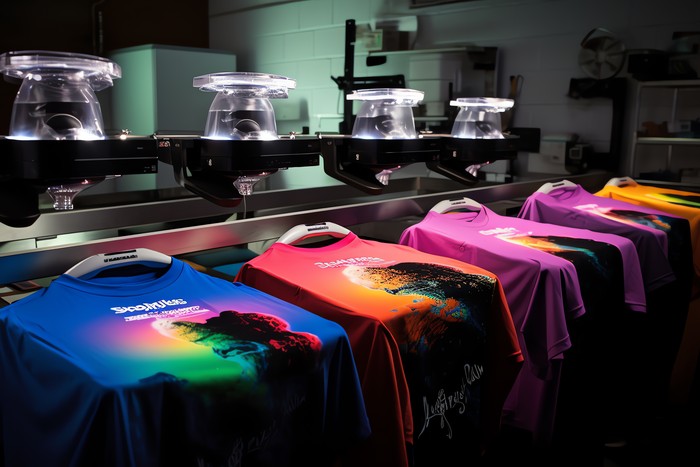
Artificial intelligence has already changed many parts of digital creativity. Designers can use AI-powered tools to explore concepts, generate visual ideas, modify images, and experiment with different artistic directions before committing to a final design. For custom apparel creators, this can make the early design stage more flexible.
Instead of starting every project with a blank canvas, a creator can use digital tools to develop several concepts and then refine the strongest idea. A graphic intended for a T shirt, hoodie, tote bag, or other product can be adjusted for different sizes and layouts. Human judgment remains important because the final design still needs to work visually when transferred onto a physical surface.
This connection between software and hardware is particularly interesting from a technology perspective. Creative equipment is no longer simply a standalone machine sitting in a workshop. It can be part of a broader digital workflow in which design software, online communities, smart equipment, and physical materials work together.
For technology-focused audiences, this represents a larger trend toward accessible digital manufacturing. The same basic idea appears in 3D printing, laser cutting, embroidery, and other maker technologies. Users begin with digital information and use specialized hardware to turn that information into a physical object.
Understanding the Role of DTF Printers
DTF Printers are an important part of the direct-to-film apparel workflow. Rather than printing a design directly onto a shirt, the printer produces the artwork onto a specially designed transfer film. This creates a separate transfer that can later be applied to a garment.
The process generally begins with digital artwork. Before printing, the design needs to be prepared appropriately, including checking its dimensions, resolution, colors, and background. The design is then sent to the printing system, which places the artwork onto the transfer film.
DTF printing commonly uses colored inks along with white ink. The white layer helps provide a foundation for the design so that colors can remain visible when the transfer is applied to different garment colors. Proper printing settings and material compatibility are important because the quality of the transfer depends on the entire workflow rather than the printer alone.
After the design has been printed, the transfer is not immediately ready to apply to clothing. A hot-melt adhesive powder needs to be applied to the printed area. This adhesive creates the bonding layer that eventually connects the printed design to the garment.
Understanding this sequence is important for anyone researching DTF technology. The printer is only the beginning of the process. Printing, powder application, curing, and heat pressing all work together to create the finished product.
Why the DTF Oven Matters
Once adhesive powder has been applied to the printed transfer, it needs to be cured. A DTF Oven can be used as part of this stage, depending on the equipment setup and manufacturer’s recommended workflow.
The purpose of curing is to heat the adhesive powder so it melts and forms an appropriate bonding layer over the printed design. When properly prepared, the transfer can then be applied to a garment during the heat-pressing stage.
This step illustrates why DTF printing should be viewed as a connected system. A transfer may look perfectly printed, but that does not mean it is ready for a garment. If the adhesive is not distributed properly or the curing process is not handled according to the material requirements, the final application may not perform as expected.
Temperature and curing time should not be treated as universal numbers. Different materials and equipment can have different requirements. Users should follow the instructions supplied with their specific products and perform tests when working with an unfamiliar combination of film, powder, ink, or garment.
For technology enthusiasts, the curing stage also demonstrates the combination of digital and physical processes. A digital image begins as data, becomes a printed transfer, and then undergoes a controlled thermal process before it can become part of a finished piece of clothing.
From Digital Transfer to Finished Clothing
After the adhesive has been properly cured, the prepared transfer can be applied to the garment. This is where a T-shirt press becomes an important part of the workflow.
The shirt needs to be positioned carefully on the pressing surface. Wrinkles, seams, pockets, and uneven areas can affect pressure and placement, so the garment should be prepared according to the material instructions. The transfer is then positioned where the finished design should appear.
Heat and pressure allow the adhesive layer to bond the design to the fabric. The exact temperature, pressure, and application time depend on the transfer materials and garment. Rather than using one setting for every project, users should follow the recommendations provided for their specific materials.
Peeling the transfer film is another part of the process that requires attention. Depending on the transfer system, the film may need to be peeled at a particular stage after pressing. Following the manufacturer’s instructions helps prevent unnecessary application problems.
The result is a physical product created from a digital design. This is one reason DTF technology is appealing to small creative businesses. A creator can move from an idea on a screen to a customized garment through a relatively connected workflow.
The Connection Between Software, Hardware, and Community
The broader story behind modern apparel technology is not only about individual machines. Software platforms, creative communities, digital marketplaces, and smart hardware increasingly influence how people approach making products.
A creator might discover an idea through an online community, develop the artwork using digital tools, prepare it for production, print a transfer, cure the adhesive, and apply it to a garment. Each stage can involve a different technology, yet the user experiences the process as one creative workflow.
This model also lowers the barrier to experimentation. Someone who is interested in starting a small apparel brand does not necessarily need to begin with a huge production operation. They can learn by producing samples, testing designs, understanding materials, and gradually improving their process.
Online communities add another layer to this ecosystem. Creators can share designs, techniques, project ideas, and production experiences. This creates a feedback loop in which users learn from one another while equipment manufacturers and software developers continue improving their products.
The result is a creative environment that looks increasingly similar to other technology-driven maker industries. Digital content is no longer limited to screens. It can become a physical product through connected tools and accessible manufacturing processes.
Practical Considerations for New DTF Users
Anyone considering DTF printing should start by learning the complete workflow rather than focusing on one piece of equipment. Understanding how printing, powder application, curing, and heat pressing connect makes it easier to identify problems and improve results.
Artwork preparation deserves particular attention. A low-quality image can create problems during printing, while an overly complicated design may be difficult to transfer or reproduce consistently. Testing artwork at the intended size before producing multiple transfers can help reduce wasted materials.
Material selection is equally important. Different garments can respond differently to heat and pressure, and transfer materials may have specific application requirements. Cotton, polyester, and blended fabrics should not automatically be treated as identical. Testing a new garment type before a larger production run is a sensible practice.
Workspace organization also matters. DTF printing involves ink, transfer film, adhesive powder, heat, and garments, so keeping materials clean and organized can make the workflow easier to manage. Equipment should be maintained according to the manufacturer’s recommendations.
For small businesses, keeping records can be particularly useful. Note which film, powder, garment, artwork settings, and application conditions produced good results. Over time, these records can become a practical production reference and reduce unnecessary trial and error.
Why DTF Technology Is Relevant to the Future of Creative Manufacturing
The growth of DTF printing reflects a broader movement toward more accessible creative manufacturing. Digital tools allow people to develop ideas quickly, while specialized hardware gives them a way to turn those ideas into physical products without relying entirely on traditional production methods.
Artificial intelligence could make this process even more interesting as creative software becomes more capable. AI can help users explore visual concepts, while connected production tools can help turn selected designs into physical goods. The important point is not that AI replaces human creativity, but that it can become another tool within a larger creative workflow.
For technology media, this intersection of AI, software, hardware, and online communities offers a much broader story than apparel printing alone. It demonstrates how digital creativity is increasingly connected to physical production.
DTF technology also gives small creators an opportunity to experiment with personalized products. They can test designs, develop niche concepts, respond to customer requests, and create limited runs without necessarily following the same production model used by large clothing manufacturers.
Parting Thoughts
The combination of AI-powered creativity and DTF printing shows how digital technology is moving beyond screens and into everyday manufacturing. A design can begin as a digital concept, become a printed transfer through DTF technology, receive an adhesive layer through powder application and curing, and finally become a finished garment through controlled heat and pressure.
The relationship between DTF Printers, a DTF Oven, and a T shirt press is central to understanding this workflow. Each plays a different role, and the quality of the final product depends on how effectively those stages work together.
As creative software, smart hardware, and online communities continue to develop, custom apparel is becoming part of a much larger technology ecosystem. For designers, entrepreneurs, and technology enthusiasts, that creates an interesting opportunity to combine digital creativity with practical, physical production.