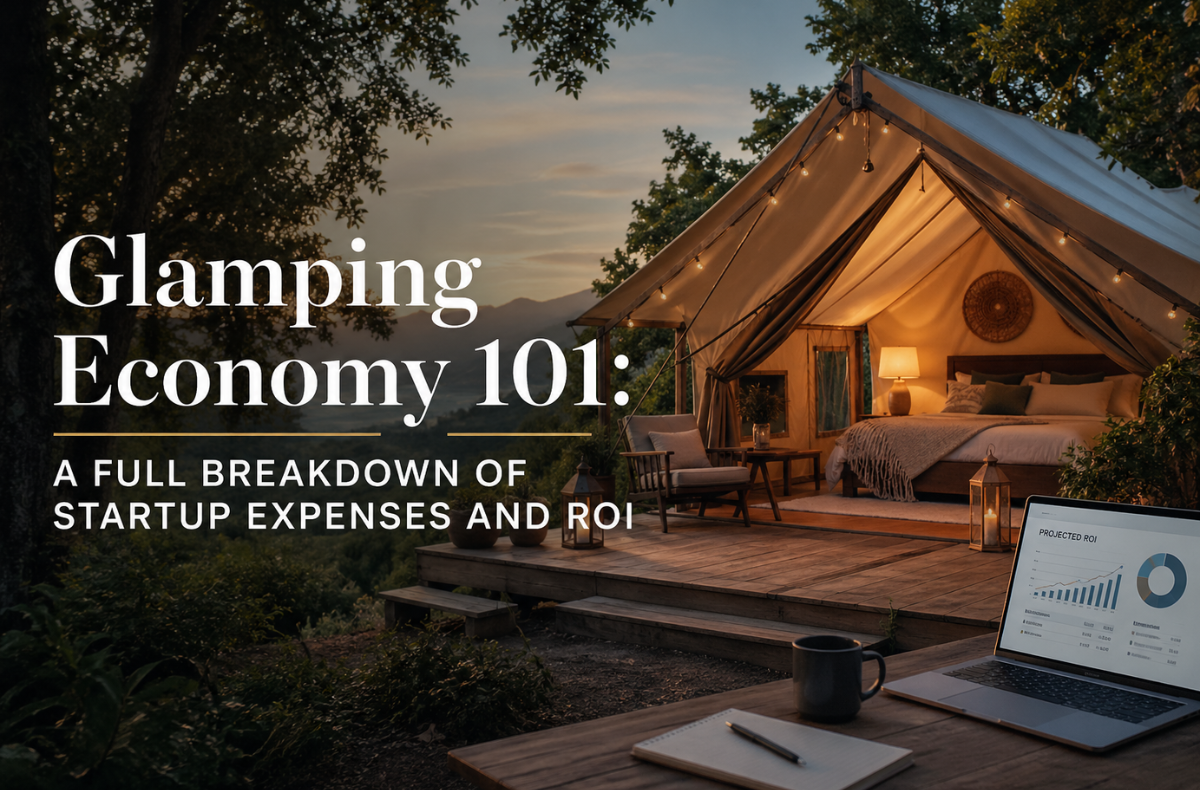
The glamping economy has quietly become one of the most compelling business stories in outdoor hospitality. What once began as a lifestyle concept has grown into a multi-billion-dollar industry that is attracting serious investors, entrepreneurial first-timers, and hotel professionals alike. The glamping market size and growth cannot be ignored, and it will continue to expand in 2026.
Whether you’re interested in the potential of eco-tourism business opportunities, looking for non-traditional real estate investments, or just love the luxury camping business model, being aware of the actual cost breakdown of the glamping business is vital. In this post, we will examine the cost of a glamping site, the cost of a glamping business, and the profit of a glamping business to help you make this decision.
Key Takeaways
- The glamping economy is a rapidly growing industry projected to reach USD 7.36 billion by 2032, attracting a diverse range of investors.
- Start-up costs for a glamping business range from $225,000 to over $1 million, depending on location and luxury level.
- Glamping offers various accommodation types, with potential revenues from room rates and add-on experiences, increasing overall profits.
- Seasonality, investment risks, and regulatory compliance pose challenges for glamping operators, but demand trends are promising for 2026.
- With a strong ROI and profitability potential, glamping represents a lucrative opportunity in outdoor hospitality.
Table of Contents
- The Glamping Economy: Size, Growth, and 2026 Trends
- Glamping Business Startup Costs: The Real Numbers
- Full Glamping Investment Cost Breakdown at a Glance
- Glamping Economy Revenue Streams: Where the Money Actually Comes From
- Glamping Business ROI: What to Realistically Expect
- Glamping Economy vs Traditional Camping Revenue: A Clear Winner
- Glamping Economy Case Studies: Profitability in Practice
- Risks and Challenges in the Glamping Economy
- Glamping Economy Trends 2026: What Smart Investors Are Watching
- Conclusion
- FAQs
The Glamping Economy: Size, Growth, and 2026 Trends
Glamping is a combination of camping and luxury, with glamping sites offering luxury safari tents, geodesic domes, yurts, Airstream trailers, treehouses, and cabins.
According to Fortune Business Insights, the global glamping market was valued at USD 3.40 billion in 2024 and is projected to grow from USD 3.71 billion in 2025 to USD 7.36 billion by 2032, at a CAGR of 10.27%. Other reliable sources (Mordor Intelligence, Grand View Research) estimate the market at USD 3.8-4.2 billion in 2025-2026, with CAGR growth of 9.5-10.7% during the early 2030s. Europe leads the market with a 36-38% share.
Key driving factors for the glamping economy in 2026 include:
- Popularity among millennials and Gen Z, with the 18-32 age group accounting for almost 44% of bookings.
- Eco-tourism business opportunities, as travelers favor low-impact, sustainable tourism business models.
- Outdoor hospitality industry trends related to wellness, remote work, and the “Insta-friendly” locations.
- Variety of shelter options: cabins, pods, safari tents, tree houses, and geodesic domes.
Glamping Business Startup Costs: The Real Numbers
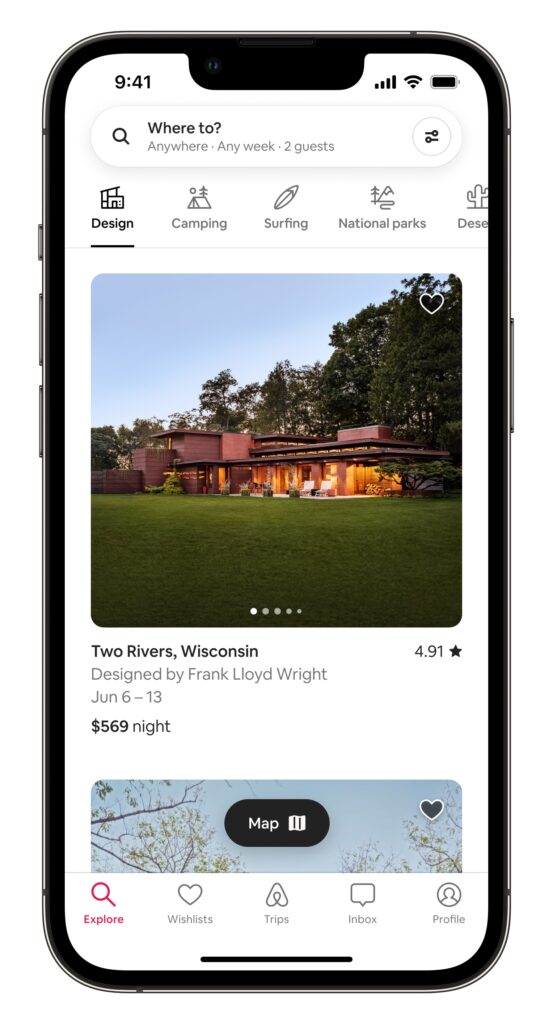
Glamping economy business startup Costs vary depending on the size, location, and type of business you want to set up. But there are some common cost items involved in a glamping venture.
Land and Site Preparation
Glamping land requirements vary by location, but typically range from 3 to 5+ acres to allow proper spacing between sites, support natural ventilation layout, and avoid feeling too crowded. Land value or leases can vary widely by location.
- Rural land purchase: $50,000 – $500,000+
- Site leveling, drainage, and landscaping: $10,000 – $40,000
- Utility access (water, electric, septic): $15,000 – $60,000
- Road and pathway construction: $8,000 – $25,000
Accommodation Units
This is typically the largest single line item in any glamping business financial projection. Your choice of structure dramatically affects upfront investment.
| Accommodation Type | Unit Cost (Furnished) | Setup Time |
|---|---|---|
| Luxury Safari Tent | $15,000 – $35,000 | 2–4 weeks |
| Geodesic Dome | $20,000 – $50,000 | 3–6 weeks |
| Airstream / Vintage Trailer | $30,000 – $80,000 | 1–3 weeks |
| Treehouse | $50,000 – $150,000 | 8–16 weeks |
| Shepherd’s Hut / Cabin | $18,000 – $45,000 | 3–5 weeks |
| Floating Cabin | $60,000 – $200,000 | 12–20 weeks |
Most operators start with 4–8 units to manage cash flow while building occupancy and reputation.
Glamping Permits and Regulations
Permits and regulations are the most underappreciated aspect of glamping startups. State, county, and country regulations vary but generally include:
- Planning permission or zoning variance
- Environmental impact assessments
- Health and safety certifications
- Fire safety compliance
- Business operating licenses
- Short-term rental platform compliance
Estimated permits and legal costs: $5,000 – $25,000 (depending on location and complexity).
Technology, Marketing, and Branding
A website with integrated bookings, search engine optimization (SEO), and social media is essential to succeed in the highly competitive glamping economy in 2026
- Booking management software: $1,200 to $4,800 annually
- Website design and development: $3,000 to $10,000
- Logo and photography for the brand: $2,500 – $8,000
- Upfront marketing budget (first 6 months): $5,000 to $15,000
Full Glamping Investment Cost Breakdown at a Glance
Here is a full breakdown of the glamping site setup cost:
| Cost Category | Low Estimate | High Estimate |
|---|---|---|
| Land (lease or purchase) | $50,000 | $500,000+ |
| Site preparation | $33,000 | $125,000 |
| 6 accommodation units | $90,000 | $300,000 |
| Permits and legal | $5,000 | $25,000 |
| Furnishings and amenities | $15,000 | $60,000 |
| Tech and marketing | $11,700 | $37,800 |
| Contingency (10–15%) | $20,470 | $104,780 |
| Total Estimated Investment | ~$225,000 | ~$1.15M+ |
The total capital required for a well-planned mid-tier glamping business with 6 units in a prime rural location ranges from $350,000 to $550,000.
Glamping Economy Revenue Streams: Where the Money Actually Comes From
When it comes to calculating return on investment for glamping, it is important to understand glamping economy revenue streams. Operators rarely have a one-revenue-stream business model.
Primary Revenue
- Room rates: $150 – $600+ per unit (depending on luxury level, destination, and seasonal factors)
- Holiday rate increases: 20-40% higher than regular rates
- Minimum stays: 2-3 night minimums, drive-up average booking value
Secondary Revenue Streams
- Add-on adventures: Guided walks, star gazing, yoga weekends, farm-to-table dinners
- Food and drink: Welcome baskets, chef hire, campfire dinners
- Wellness packages: Hot tub hire, yoga and spa treatments, sound baths
- Event hosting: Corporate retreats, wedding elopements, and small weddings
- Products: Brand merchandise, local goods
By actively diversifying revenue streams, glamping economy sites can expect to increase their overall revenue per guest by 25-40%.
Glamping Business ROI: What to Realistically Expect
The profitability of a glamping business depends on four factors: occupancy, average daily rate (ADR), operating costs, and investment.
Glamping Occupancy Rates and Pricing Strategy
Industry benchmarks suggest that established glamping economy sites achieve:
| Performance Level | Occupancy Rate | ADR (per unit) |
|---|---|---|
| Underperforming | Below 40% | Below $150 |
| Average | 50–65% | $180 – $280 |
| Strong | 65–80% | $280 – $450 |
| Exceptional | 80%+ | $450+ |
A solid glamping pricing strategy accounts for peak-season surcharges, midweek discounts, and dynamic pricing tied to local events. Properties using dynamic pricing tools report 18–30% higher annual revenue than those on flat-rate pricing.
Glamping Operating Costs
For established glamping economy sites, operating costs are generally between 40% to 60% of gross revenue. Such operating costs include:
- Labor costs (cleaning, maintenance, customer service)
- Utilities and maintenance
- Commissions to booking sites (3-15%)
- Insurance
- Marketing and advertising (ongoing)
- Loan repayments or lease payments
Glamping Business Profit Margins
| Business Size | Annual Revenue (est.) | Operating Costs | Net Profit Margin |
|---|---|---|---|
| Small (4 units) | $120,000 – $180,000 | 45–55% | 15–25% |
| Mid-size (8 units) | $280,000 – $420,000 | 40–50% | 20–30% |
| Large (15+ units) | $600,000 – $1.2M+ | 35–45% | 25–38% |
Most glamping operators report breaking even within 2–4 years, with strong performers achieving full ROI within 4–7 years. Glamping site profitability accelerates significantly when land is owned rather than leased.
Glamping Economy vs Traditional Camping Revenue: A Clear Winner
The revenue generated by the glamping economy compared to traditional camping is impressive. This is shown in the table below, which compares the revenue indicators of glamping and camping.
| Revenue Metric | Traditional Camping | Glamping (Mid-Range) | Glamping (Luxury) |
|---|---|---|---|
| Nightly Rate (per unit/pitch) | $25 – $50 | $150 – $300 | $350 – $600+ |
| Units/Pitches (typical site) | 20 – 50 pitches | 6 – 12 units | 4 – 8 units |
| Peak Season Nightly Revenue | $500 – $2,500 | $900 – $3,600 | $1,400 – $4,800 |
| Average Occupancy Rate | 55 – 70% | 55 – 70% | 65 – 80% |
| Estimated Annual Revenue | $80,000 – $200,000 | $220,000 – $500,000 | $400,000 – $1M+ |
| Secondary Revenue Potential | Low ($5 – $15/guest) | Medium ($40 – $80/guest) | High ($100 – $300+/guest) |
| Average Profit Margin | 10 – 18% | 20 – 35% | 28 – 45%+ |
| Break-even Timeline | 3 – 5 years | 2 – 4 years | 3 – 6 years |
| Revenue Per Acre (annual) | $8,000 – $20,000 | $40,000 – $90,000 | $80,000 – $180,000+ |
The table above shows that the glamping economy outperforms camping in almost every financial metric, not just the rate per night. Higher revenue per acre, in particular, would make glamping more attractive to eco-tourism investors.
Glamping Economy Case Studies: Profitability in Practice
The glamping case studies profitability shows that you can make money from glamping, with variation based on scale, location, facilities, and marketing strategy. Here are a few examples that illustrate glamping economy micro- to macro-level opportunities.
Case Study 1: English Creek Hideaway (Tennessee, USA)
A couple started a tiny house glamping unit to create a romantic experience on their goat farm in the Smoky Mountains, Tenn. The unit has a king bed, a private outdoor tub, an outdoor shower, and a sauna, making it a tranquil retreat. It has made a net profit of $9,377 in just two months at rates of $115 to $145 per night, primarily through Airbnb and Vrbo. They repaid their bank loan in 5-6 months, then built more tiny homes and A-frames.
Case Study 2: Wellington Farm Glamping (Cumbria, UK)
A farm in the Lake District equipped six luxury pods with their own hot tub hydrotherapy spa with views of the fells. The venture began in 2020 and quickly filled up, reaching an average occupancy rate of 80% within 18 months. The cafe and ice cream shop added value and increased profitability with additional services. This glamping economy case demonstrates how luxury offerings such as hot tubs, along with farm tourism assets, support high occupancy and year-round revenue streams.
Case Study 3: Secret Garden Glamping (UK, Dragons’ Den Success)
After appearing on Dragons’ Den, this glamping business experienced massive growth. The founder reported making £500,000 in just two weeks following the show, and years later, the company is still generating strong revenue with multiple luxury pods and lodges across sites. One location reportedly achieved high annual figures with healthy profit margins. This glamping economy case study demonstrates the role of branding, media promotion, and quality products in rapidly expanding a glamping business and achieving high profitability.
Risks and Challenges in the Glamping Economy
While the glamping economy business is a fast-growing, high-margin, and highly profitable sector, there are some risks involved.
- Risk of investment: The initial capital investment may exceed expectations, particularly for land improvements, utilities, and luxury units.
- Seasonal demand: Occupancy rates may vary with seasons, especially during periods of low demand.
- Permits and approvals: Zoning, environmental approvals, and other regulations can delay or halt investments.
- Seasonality: Occupancy can fluctuate with the season, particularly in low seasons.
- Permits and approvals: Zoning, environmental approvals, and other regulations can delay or halt investments.
- Weather-dependent: Weather can impact guest experience, cancellations, and property lifespan.
Glamping Economy Trends 2026: What Smart Investors Are Watching
Outdoor hospitality industry trends for the next 3-5 years include:
- Green design approaches leading to eco-certified resorts, higher prices
- Tech-free packages with 30-50% premiums
- Solar and rainwater collection lowers long-term costs
- Gramping demand analysis and growth of millennial and Gen Z customers with surplus cash
- Wellness retreats for corporate team building are a growing year-round business
- Pet-friendly glamping sites have higher occupancy than non-pet sites
Conclusion
In summary, the glamping economy is the best, most affordable, and scalable business opportunity for outdoor hospitality entrepreneurs. When it comes to finding the right location, developing a smart glamping business plan, and generating revenue in various ways, the return on investment from glamping is on par with that of the real estate and hospitality industries.
The numbers do not lie. The profitability, occupancy, and growth rates in the glamping business sector indicate a very viable future. Whether you are considering a luxury tent or a glamping eco-resort, the key to modeling is to start with the real world by looking at a realistic glamping investment cost breakdown.
FAQs
Starting a glamping business typically requires between $225,000 and over $1 million, depending on scale and luxury level. Costs vary based on land purchase, number of units, and site development requirements in your chosen location.
Most glamping businesses reach break-even within 2–4 years, with full ROI usually achieved in 5–7 years. Strong occupancy and diversified income streams can significantly speed up profitability.
Yes, almost all locations require some form of zoning approval and permits before opening. This may include environmental checks, safety compliance, and operating licenses, depending on local regulations.
The highest profits come from add-on experiences like private dining, wellness packages, and guided activities. These services increase revenue per guest without significantly raising operating costs.
Yes, the glamping economy is generally far more profitable due to higher nightly rates and premium positioning. It generates significantly higher revenue per acre and stronger profit margins than traditional camping models.