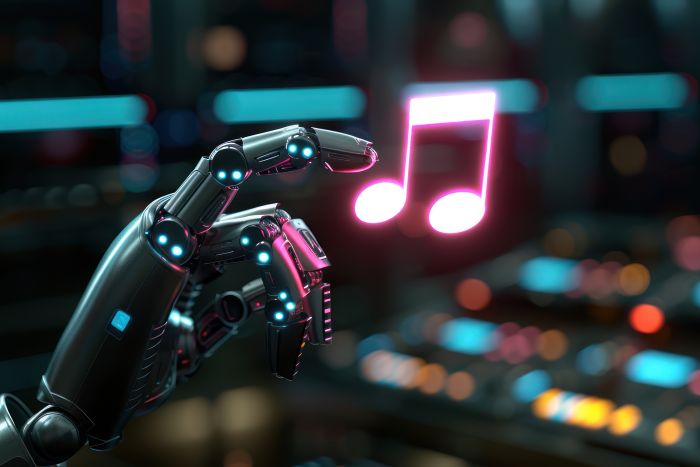
The music industry has always been shaped by technology. From synthesizers in the 80s to digital audio workstations in the 2000s, every major leap in tools has lowered the barrier to entry and opened the door for new creators. Today, we’re in the middle of the most dramatic shift yet: AI music generation is making it possible for anyone to produce professional-quality songs from a simple text prompt.
Platforms like MakeBestMusic have pioneered this space by offering tools that convert written descriptions into complete, fully produced tracks — with vocals, lyrics, instrumentation, and proper song structure — in under a minute. No music theory background required. No studio time. Just an idea, a prompt, and a click.
But here’s the thing most creators are starting to realize: a song is only half the story. In today’s content landscape — YouTube Shorts, TikTok, Instagram Reels — music without visuals gets lost in the feed. This is where the next wave of AI creativity comes in: AI text to music generators that can turn any written idea into a fully produced track, and AI video tools that bring those tracks to life visually.
In this article, we’ll explore how AI music generation works, what the best tools offer, and why pairing your AI-generated songs with AI-generated visuals is the smartest creative strategy in 2026.
Key Takeaways
- AI music generation allows anyone to produce professional-quality songs from text prompts, democratizing music creation.
- AI text to music generators create full tracks with vocals and instrumentation based on simple descriptions.
- Combining AI music with AI video tools enhances content visibility on platforms like TikTok and Instagram.
- Independent creators, musicians, and brands benefit from accessible AI tools for generating music and visuals in a streamlined workflow.
- In 2026, successful creators will leverage AI as an extension of their creativity to produce music and accompanying videos.
Table of contents
What Is AI Text-to-Music, Exactly?
An AI text to music generator is a tool that takes a written description — a prompt, a mood, a set of lyrics, or even just a few keywords — and produces a complete original song. Modern platforms go well beyond simple beat generation. Their AI song generator creates full tracks with lead vocals, harmonies, synchronized lyrics, verse-chorus structure, and professional mixing, all from a single text input.
The technology behind these tools has evolved rapidly. Earlier models could produce ambient soundscapes or simple instrumentals. Today’s generators understand song structure — intro, verse, pre-chorus, chorus, bridge, outro — and can replicate the vocal phrasing, syllable timing, and stylistic production choices found in professionally recorded music across 20+ genres.
Some of the standout capabilities include:
- Multi-genre support — from pop, hip-hop, and lo-fi to cinematic, ambient, jazz, and electronic styles
- Celebrity-style generation — create original music in the vocal and production style of well-known artists
- Multi-language output — generate songs in English, Spanish, Japanese, Mandarin, and more
- Commercial rights — use generated tracks for YouTube, ads, games, podcasts, and releases
- Advanced audio tools — stem splitting, audio format conversion, MIDI creation, tempo adjustment, and studio-quality mastering
What used to require a team of musicians, producers, and engineers can now be accomplished by one person with an idea and an internet connection.
The Missing Piece: From Audio to Visual
Here’s where the creative workflow hits a wall for most independent creators. You’ve generated an incredible track. The vocals are crisp, the melody is catchy, the production is polished. Now what?
In the streaming era, visual content drives 80% of music discovery. TikTok trends, YouTube Shorts, Instagram Reels — these platforms reward music that comes paired with compelling visuals. A great song without a video is like a book without a cover: it might be brilliant inside, but most people will scroll right past it.
Traditionally, creating a music video required hiring a director, renting a location, booking a shoot day, and spending thousands of dollars on post-production. For independent artists and content creators, that was simply not feasible.
This is exactly why combining AI music generation with AI video creation has become so powerful. You can take a track produced by an AI music generator and transform it into a cinematic music video automatically. Upload a song and a character photo, and the platform handles beat-sync analysis, scene design, character animation, and cinematic transitions.
Modern AI video platforms offer two main approaches:
- Lite Mode — Perfect for short-form content (10–15 seconds). Upload your song and a photo, and get a beat-synced clip in seconds. Ideal for TikTok, Instagram Reels, and YouTube Shorts.
- Pro Mode — For full-length videos up to 4 minutes. Choose from Story Mode (AI writes a script and designs shot-by-shot storyboards), Lip-Sync Mode (powered by digital human models for natural movement), or Concert Mode (AI designs a full stage environment with band members and lighting).
The key insight is that the best AI video platforms integrate multiple generative video models — including Kling, Sora, Seedance 2.0, Veo, and Gemini Omni — so you’re not locked into a single style or quality tier. Each model has different strengths, and the platform routes your project to the best one for your creative vision.
A Complete AI Creative Workflow: From Text Prompt to Published Video
The most powerful approach in 2026 is to combine AI music generation with AI video creation into a single end-to-end workflow. Here’s what that looks like in practice:
Step 1: Generate Your Track Use an AI text to music generator to create your song. Write a prompt describing the mood, genre, instruments, and vocal style you want. For example: “upbeat pop song with electronic synths, driving bass line, and an anthemic chorus about chasing your dreams.” Within seconds, you have a fully produced track with vocals and lyrics.
Step 2: Polish and Export Use built-in audio tools to fine-tune your track — adjust the tempo, split stems for mixing, convert formats, or master the final audio. These tools give you studio-level control even if you’re not an audio engineer.
Step 3: Create Your Video Take your finished track and upload it to an AI video platform along with a character photo or avatar image. Select your preferred mode (Lite for quick clips, Pro for cinematic productions) and visual style. The platform analyzes the beat structure, maps scene transitions to the music’s energy, and generates a fully animated music video.
Step 4: Publish and Promote Export your video and upload it to TikTok, YouTube, Instagram, or any platform of your choice. You now have both an original song and an original music video — created entirely with AI — ready to reach an audience.
This workflow collapses what used to take weeks and thousands of dollars into a single afternoon. And the results are competitive with content that would have required a professional production team just two years ago.
Who Benefits Most from This Approach?
The democratization of music and video creation through AI has opened doors for several groups:
Independent Musicians and Rappers — Artists who write their own lyrics but can’t afford studio time or a video production crew can now produce complete tracks and videos independently. AI tools handle the production gap.
Content Creators and YouTubers — Creators who need original background music and visual content for their channels can generate both in minutes, avoiding copyright strikes and generic stock footage.
Marketing Teams and Brands — Companies running social media campaigns can produce custom music and branded video content at scale, without licensing headaches or agency fees.
Educators and Students — Music teachers can demonstrate song structure and genre characteristics by generating examples in real time. Students can experiment with composition without needing instruments or software expertise.
Game Developers and Podcasters — Developers can generate custom soundtracks. Podcasters can create unique intro and outro music. All with full commercial rights.
What to Look for in AI Music and Video Tools
As these tools proliferate, quality varies widely. Here are the criteria that matter most:
For AI music generators:
- Full song output (vocals + lyrics + instrumentation), not just instrumentals
- Broad genre and language support
- Commercial usage rights included
- Built-in editing tools (stem splitting, tempo adjustment, mastering)
- Fast generation speed with preview and regeneration options
For AI video generators:
- Multiple AI model options (not locked into a single provider)
- Beat-sync analysis that maps visuals to the music’s rhythm
- Multiple creative modes (story, lip-sync, concert, anime)
- Resolution and length flexibility (from 10-second clips to 4-minute productions)
- High-quality character animation and scene design
The most complete creative pipelines combine both sides: a powerful AI song generator for the audio, and a capable AI video platform for the visuals. Together, they represent the most accessible professional content creation workflow available to independent creators today.
The Bottom Line
AI is not replacing musicians and visual artists — it’s amplifying them. The creators who thrive in 2026 will be those who learn to use these tools as extensions of their own creativity. Generate a track that captures your vision. Pair it with a video that brings that track to life. Publish it and see what resonates.
The technology is here. The workflow is simple. The only question is: what will you create?