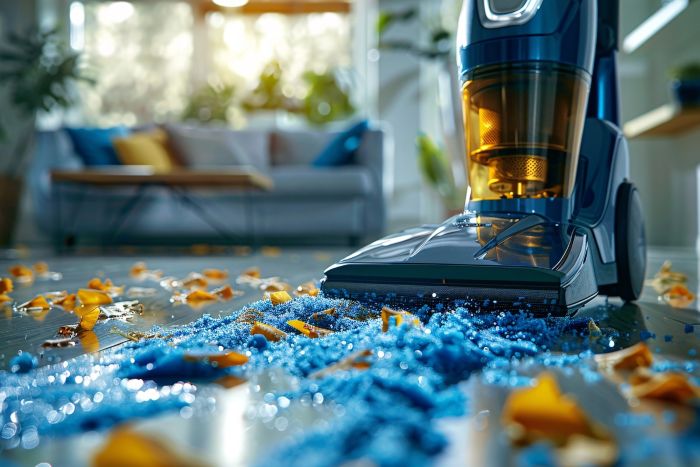
Artificial intelligence has moved beyond digital assistants and smartphones and is now deeply embedded in everyday household appliances. In 2026, one of the most visible examples of this shift is in home cleaning technology, where AI-powered cleaning is redefining expectations. The modern Tineco vacuum and similar systems are no longer just mechanical devices designed to remove dust; they are evolving into intelligent platforms capable of sensing their environment, making decisions in real time, and optimizing performance without constant user input.
This transformation reflects a broader evolution within the smart home ecosystem, where convenience is no longer defined by automation alone, but by adaptability and efficiency. For modern households dealing with time constraints and rising energy costs, intelligent cleaning systems—especially the wet dry vacuum category—are becoming practical tools rather than optional upgrades, with AI-powered cleaning playing a central role in that shift.
Key Takeaways
- The Tineco vacuum exemplifies the shift from basic automated tools to intelligent cleaning systems that adapt in real-time.
- AI integration in these vacuums optimizes efficiency by adjusting suction and water flow based on surface type and dirt levels.
- Modern cleaning devices offer multi-function capabilities, combining vacuuming, mopping, and steam sanitization to enhance cleaning effectiveness.
- User experience improves as AI reduces manual input, making smart cleaning accessible without requiring tech-savvy skills.
- The future of cleaning technology emphasizes intelligent, adaptive systems, positioning wet dry vacuums as leaders in the smart home ecosystem.
Table of contents
- The Evolution from Automated Tools to Intelligent Systems in AI-Powered Cleaning
- Real-Time Adaptation and Decision-Making in AI-Powered Cleaning Systems
- Tineco’s Approach to Smart Cleaning Technology
- Applications Across Different Cleaning Needs
- Comparing Levels of Intelligence in the Market
- Practical Implications for Modern Households
- Limitations and Considerations
- The Future of AI in Home Cleaning
- FAQ: U.S. Shoppers’ Most Common Questions About Tineco’s AI-Powered Vacuums
- Q1: Is Tineco’s AI actually useful, or is it just a marketing gimmick?
- Q2: Do I need to be tech-savvy to use Tineco’s AI vacuums?
- Q3: How does Tineco’s AI compare to Dyson’s “smart” features?
- Q4: Will Tineco’s AI vacuums work on all U.S. floor types (hardwood, carpet, tile)?
- Q5: Are Tineco’s AI vacuums more expensive to maintain than non-AI models?
- Q6: Can the A90S (dry vacuum) still be useful if I don’t need wet cleaning?
- Q7: Is the steam feature on the S9 and S7 safe for U.S. hardwood floors?
- Q8: How long does Tineco’s AI last—will it become outdated?
- Conclusion
The Evolution from Automated Tools to Intelligent Systems in AI-Powered Cleaning
Moving Beyond Basic “Smart” Features
Earlier generations of smart vacuums were limited in capability. Features such as dirt detection lights or app connectivity provided information but still required users to make manual adjustments. These systems enhanced awareness but lacked autonomy.
In contrast, newer AI-powered systems—such as those found in a Tineco vacuum—move toward genuine intelligence. Instead of simply identifying dirt, they respond to it. This shift represents the difference between passive sensing and active decision-making, where the device continuously interprets its environment and adjusts accordingly.
The Role of Sensor Integration
At the center of this transformation is advanced sensor integration. Modern cleaning systems combine optical sensors, pressure detection, and environmental scanning to build a real-time understanding of surfaces and debris.
This allows a wet dry vacuum to distinguish between hardwood, tile, and carpet while also detecting variations in dirt levels or liquid spills. Rather than applying a single cleaning approach, the system adapts its behavior based on the situation, improving both efficiency and effectiveness.
Real-Time Adaptation and Decision-Making in AI-Powered Cleaning Systems
Continuous Adjustment Instead of Fixed Modes
One of the defining features of intelligent cleaning systems is their ability to make continuous adjustments. Traditional vacuums rely on fixed modes selected by the user, while AI-powered models dynamically alter suction, water flow, and brush speed during operation.
In advanced systems like the Tineco FLOOR ONE S9 Artist Steam Wet Dry Vacuum Cleaner, this process happens seamlessly. The device responds instantly when transitioning from light dust to heavier debris or from dry dirt to liquid spills, eliminating the need for manual intervention.
Resource Optimization as a Core Function
Efficiency is a central goal of AI-powered appliances. These systems are designed to use only the resources required for a given task, reducing unnecessary energy and water consumption.
In the context of a wet dry vacuum, this means applying the right amount of water for mopping while maintaining optimal suction for debris removal. This level of precision is a defining characteristic of AI-powered cleaning, helping households reduce waste while maintaining high performance. Over time, this level of control contributes to lower operating costs and more sustainable household practices.
Tineco’s Approach to Smart Cleaning Technology
A System-Level Integration of AI
Tineco’s recent models highlight a system-level approach to artificial intelligence. Rather than isolating smart features, the technology is integrated across sensing, processing, and execution. The company’s iLoop system connects these elements into a continuous feedback loop, enabling real-time responsiveness.
This approach transforms the Tineco vacuum from a simple appliance into an adaptive system. The device does not just react—it continuously refines its performance based on incoming data.
Reducing User Effort Through Automation
A key outcome of this integration is reduced user effort. Instead of switching between modes or adjusting settings, users can rely on the system to manage the cleaning process. This aligns with the broader goal of smart home technology: simplifying everyday tasks while maintaining high performance.
Applications Across Different Cleaning Needs
Advanced Hygiene with Multi-Function Systems
Devices like the Tineco FLOOR ONE S9 Artist Steam Wet Dry Vacuum Cleaner represent a convergence of multiple cleaning functions. Vacuuming, mopping, and steam sanitization are combined into a single system controlled by AI.
This integration allows the device to determine when each function is needed and how they should work together. As a result, the system can deliver a deeper level of cleaning while maintaining efficiency, making it a strong example of what many consider the best wet dry vacuum mop category in terms of technological capability.
Flexibility and Spatial Intelligence
Other models focus on adaptability in physical design as well as digital intelligence. Flexible structures allow the vacuum to reach tight or low spaces, while AI ensures consistent performance regardless of positioning.
This combination of mechanical and digital adaptability reflects a broader trend in smart devices, where hardware design supports and enhances intelligent functionality.
Simplified AI for Everyday Cleaning
Not all applications require complex multi-function systems. Lightweight models demonstrate how AI can improve everyday cleaning by optimizing suction and battery usage.
Even in simpler formats, the principles remain the same. A Tineco vacuum designed for dry cleaning can still benefit from intelligent adjustment, ensuring efficient operation without unnecessary power consumption.
Comparing Levels of Intelligence in the Market
Detection Versus True Adaptation
A key distinction among modern cleaning devices lies in how they use data. Some vacuums offer detection features that highlight dirt but rely on users to respond. Others integrate sensing with automatic adjustments, allowing the system to act independently.
This difference is particularly noticeable in the wet dry vacuum segment, where real-time adaptation significantly impacts performance. Devices that combine sensing with action provide a more seamless and efficient cleaning experience.
Practical Implications for Modern Households
Improved Efficiency and Time Management
AI-powered systems streamline cleaning by combining tasks and reducing manual input. A device categorized as the best wet dry vacuum mop can handle multiple cleaning functions simultaneously, saving time and effort.
Consistency Across Cleaning Sessions
Automated adjustments ensure that performance remains consistent. Unlike manual cleaning, which can vary depending on user input, AI systems apply the same level of precision each time.
Reduced Resource Consumption
By optimizing water and energy use, intelligent cleaning systems contribute to long-term efficiency. This makes the wet dry vacuum category particularly relevant for households focused on sustainability.
Limitations and Considerations
Balancing Automation and User Control
While automation simplifies operation, some users may still prefer manual control in specific situations. The transition to fully autonomous systems may require an adjustment in user expectations.
Cost and Accessibility
Advanced AI features often come at a higher initial cost. However, the long-term value depends on usage patterns and the importance of efficiency within the household.
Longevity of Smart Systems
The effectiveness of AI-powered devices depends on both hardware durability and ongoing software support. Regular updates play a role in maintaining performance over time.
The Future of AI in Home Cleaning
Integration Within Smart Home Ecosystems
AI-powered cleaning devices are becoming part of a larger network of connected home technologies. Future developments may involve deeper integration with other systems, creating a more coordinated and efficient living environment.
Continuous Improvement Through Intelligent Systems
One of the defining characteristics of AI is its ability to evolve. Through updates and improved algorithms, devices such as the Tineco FLOOR ONE S9 Artist Steam Wet Dry Vacuum Cleaner can continue to refine their performance, adapting to new conditions and user needs.
FAQ: U.S. Shoppers’ Most Common Questions About Tineco’s AI-Powered Vacuums
We’ve talked to hundreds of U.S. consumers about their smart home goals, and these are the questions we get most often about Tineco’s wet dry vacuum and AI features. We’re keeping the answers simple, honest, and tailored to what American shoppers care about.
Q1: Is Tineco’s AI actually useful, or is it just a marketing gimmick?
A: It’s 100% useful! Tineco’s AI isn’t just a buzzword—it’s designed to solve real pain points for U.S. households. The real-time adaptation, smart sensing, and auto-adjustment save time (no manual settings) and money (less water/energy use). Unlike some brands that add “AI” as an afterthought, Tineco’s AI is integrated into every function, making cleaning easier and more efficient. Just ask the thousands of U.S. customers who’ve cut their cleaning time in half with Tineco’s wet dry vacuum models.
Q2: Do I need to be tech-savvy to use Tineco’s AI vacuums?
A: Not at all! Tineco’s AI is designed to be intuitive—no tech experience required. Just turn on the Tineco vacuum, and it automatically adapts to your floor type and dirt levels. There are no complicated apps or settings (unless you want to use the app for extra features, like cleaning history). It’s perfect for tech novices, busy parents, and anyone who wants smart cleaning without the hassle.
Q3: How does Tineco’s AI compare to Dyson’s “smart” features?
A: Dyson’s V15 has a dirt detection light, but it doesn’t offer real AI adaptation. It can tell you when it’s picking up dirt, but it won’t adjust suction or water flow automatically. Tineco’s AI, on the other hand, continuously analyzes data in real time to optimize cleaning—saving energy, water, and time. For U.S. shoppers who want true smart cleaning, Tineco is far superior. Plus, Tineco FLOOR ONE S9 Artist Steam and FLOOR ONE S7 Stretch Steam are the best wet dry vacuums on the US market, while Dyson only offers dry vacuums.
Q4: Will Tineco’s AI vacuums work on all U.S. floor types (hardwood, carpet, tile)?
A: Yes! Tineco’s AI sensors automatically detect floor types and adjust accordingly. For hardwood floors, it reduces suction and water flow to avoid damage; for carpet, it increases suction to lift embedded dirt; for tile, it optimizes steam to clean grout. Whether you have a mix of floor types (common in U.S. homes) or a single type, a Tineco vacuum will adapt to deliver the perfect clean.
Q5: Are Tineco’s AI vacuums more expensive to maintain than non-AI models?
A: No—they’re actually cheaper! Tineco’s AI optimizes resource use (water, energy), lowering your monthly utility bills. Plus, all wet dry vacuum models have washable filters and reusable mop pads, so you don’t have to buy expensive replacements (unlike Dyson, which charges $50-$100 for filters). Over 3 years, Tineco’s maintenance costs are 50-70% lower than Dyson’s.
Q6: Can the A90S (dry vacuum) still be useful if I don’t need wet cleaning?
A: Absolutely! The A90S’s AI suction management makes it perfect for U.S. households with dry-only needs (like renters or small apartments). It adjusts power based on debris levels, so it’s efficient on both small messes (crumbs) and large areas (carpet). Its 105-minute battery life outlasts most budget dry vacuums, and it’s lightweight enough to carry anywhere. It’s a smart, affordable option for anyone who wants AI-powered dry cleaning.
Q7: Is the steam feature on the S9 and S7 safe for U.S. hardwood floors?
A: Yes! Tineco’s AI automatically adjusts steam output for hardwood floors, using just enough steam to sanitize without damaging the wood. The best wet dry vacuum mop models (S9 and S7) also have a “hardwood mode” that reduces water flow, preventing warping or discoloration. Thousands of U.S. homeowners with hardwood floors use Tineco’s steam feature safely every day.
Q8: How long does Tineco’s AI last—will it become outdated?
A: Tineco’s AI is designed to be future-proof. The brand offers firmware updates (via the Tineco app) to improve AI performance over time, so your Tineco vacuum will get smarter, not outdated. Unlike some brands that require you to buy a new vacuum to get better AI, Tineco’s models evolve with your needs. Plus, they’re built to last 5+ years, so you’ll get years of smart cleaning value.
Conclusion
The evolution of cleaning technology reflects a broader shift toward intelligent, adaptive systems in the home. Devices like the modern Tineco vacuum demonstrate how artificial intelligence—and specifically AI-powered cleaning—can transform routine tasks into efficient, automated processes.
Within this landscape, the wet dry vacuum category stands out for its ability to combine multiple functions with real-time decision-making. As these technologies continue to advance, the concept of the best wet dry vacuum mop will increasingly be defined not just by power, but by intelligence, adaptability, and efficiency.
As artificial intelligence becomes more deeply integrated into household devices, AI-powered cleaning is turning routine maintenance into a seamless, data-driven function that operates quietly in the background of an increasingly smart home.