The concept of a smart home has evolved far beyond individual devices operating in isolation. Today, the focus is on ecosystems, networks of interconnected technologies that work together to create a cohesive and responsive environment. From lighting and climate control to security and entertainment, integration is what defines the modern user experience. Homeowners are no longer evaluating devices based solely on features, but on how well they communicate with each other. This shift has placed greater importance on compatibility, automation, and centralized control. As smart ecosystems continue to expand, the quality of integration is becoming a key factor in determining how intuitive and valuable these systems feel in everyday life.
Key Takeaways
- Smart ecosystems focus on interconnected technologies, enhancing user experience through seamless integration of devices.
- Integration is crucial for efficient home automation, allowing devices to respond collectively and adapt to user preferences.
- Compatibility between platforms is vital as different brands approach integration differently, impacting user choices.
- Advanced automation learns from user behavior, creating personalized experiences that improve over time and enhance energy efficiency.
- User interfaces must be intuitive to ensure easy management of smart ecosystem devices, and reliability is key for long-term satisfaction.
Table of contents
Integration as the Core of Smart Living
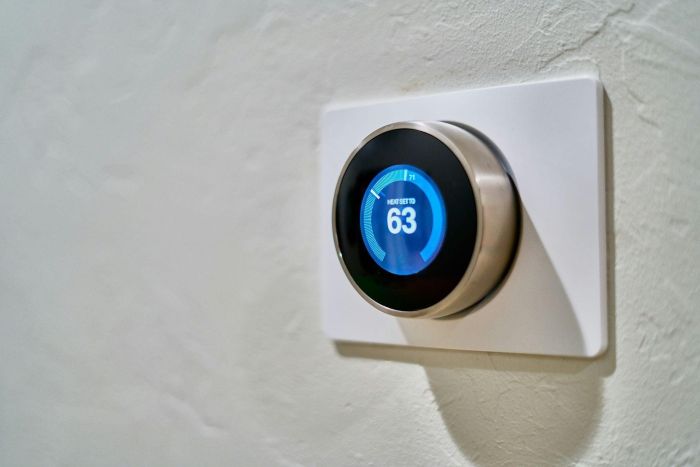
At the heart of every smart ecosystem is the ability of devices to interact seamlessly. Integration allows systems to respond collectively rather than individually, creating a more fluid and efficient experience. For example, lighting can adjust automatically when a thermostat detects occupancy, or security systems can trigger alerts based on unusual patterns.
This interconnected approach reduces the need for manual control and simplifies daily routines. Users benefit from environments that adapt to their preferences without constant input. The strength of an ecosystem is therefore not just in the number of devices it includes, but in how effectively those devices work together to deliver a consistent experience.
Extending Integration Beyond the Home
Smart ecosystems are not limited to indoor environments. Integration is increasingly extending into outdoor spaces, where technology can enhance events, security, and functionality. This expansion reflects a broader trend toward connected environments that adapt to a wide range of activities.
In certain specialized contexts, tools such as firing systems for fireworks demonstrate how synchronized control can be applied to coordinated outdoor displays. While not a standard home feature, this illustrates the broader principle of integration, multiple components working together to deliver precise, controlled outcomes. The same logic applies across smart ecosystems, where coordination is key to performance.
Comparing Platforms and Compatibility
As more brands enter the smart home space, compatibility has become a central concern. Not all devices are designed to work within the same ecosystem, which can create limitations for users trying to build a unified setup. This makes platform comparisons an important part of the decision-making process.
Discussions such as Ecobee vs Nest highlight how different systems approach integration, control, and user experience. These comparisons go beyond individual product features, focusing instead on how each platform fits into a broader ecosystem. Understanding these differences helps users make choices that align with their long-term needs rather than short-term convenience.
Automation That Learns and Adapts
One of the defining features of advanced smart ecosystems is their ability to learn from user behavior. Automation is no longer limited to pre-set schedules; it now incorporates data-driven insights that allow systems to adapt over time. This creates a more personalized experience that evolves alongside the user.
Adaptive automation reduces friction by anticipating needs and minimizing manual adjustments. Over time, the system becomes more efficient, aligning with daily routines and preferences. This level of responsiveness enhances both comfort and energy efficiency, making smart ecosystems more valuable in the long term.
User Interfaces and Control Simplicity
A critical aspect of any smart ecosystem is how users interact with it. Even the most advanced systems can feel cumbersome if the interface is not intuitive. Centralized control platforms, often accessed through mobile apps or voice assistants, play a significant role in shaping user experience.
Simplified interfaces allow users to manage multiple devices without confusion. Clear navigation, responsive controls, and consistent design contribute to a sense of ease. When interaction feels natural, users are more likely to engage fully with the system and take advantage of its capabilities.
Reliability and System Stability
As reliance on smart ecosystems increases, so does the importance of reliability. Users expect systems to function consistently, without unexpected failures or disruptions. Stability becomes particularly important when multiple devices depend on each other to operate effectively.
Reliable ecosystems are built on strong connectivity, regular updates, and robust infrastructure. When these elements are in place, users can trust that their systems will perform as expected. This trust is essential in maintaining long-term satisfaction and ensuring that technology enhances rather than complicates daily life.
The Future of Integrated User Experiences
The trajectory of smart ecosystems points toward even greater levels of integration and intelligence. As technology continues to evolve, systems will become more interconnected, offering deeper insights and more refined automation. This progression will further blur the line between individual devices and unified environments.
According to the International Energy Agency, smart technologies play a growing role in improving energy efficiency and optimizing resource use within buildings. This highlights the broader impact of integration, extending beyond convenience to include sustainability and long-term value. As ecosystems become more sophisticated, the quality of integration will remain the defining factor in shaping user experience.