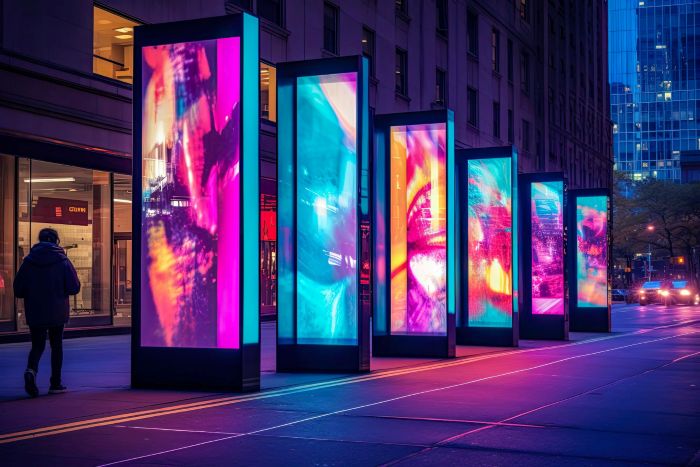
Go to a luxury retailer or a major airport and you will notice inconspicuous, soft, calm light behind bright fabrics print. These exhibits do not scream but they capture interest. That’s no accident. Electroluminescent fabric smart lighting systems sometimes called SEG (silicone edge graphics), has transformed the way brands use physical space to represent themselves. It has always puzzled you why certain displays seem high quality and others seem shallow, and in most cases, it all boils down to light, material and structure. Let us have a look at the way these smart lighting systems work and where they really work.
Key Takeaways
- Electroluminescent fabric lighting, known as SEG, enhances brand displays by using soft, even light to attract interest.
- Illuminated fabric systems consist of lightweight aluminum frames and polyester prints, ensuring high-quality visuals without wrinkles.
- Proper LED positioning and density, along with color accuracy, are crucial for optimal visual performance in these systems.
- These adaptable systems are ideal for various settings, including retail, trade shows, offices, and public spaces, creating a clear brand image.
- Installation is straightforward and maintenance is minimal, leading to long-term cost savings and efficient use of energy.
Table of contents
Core Structure of Illuminated Fabric Systems
The core of these smart lighting systems is a basic yet robust installation – a lightweight aluminum frame. These frames are available as wall mounted, freestanding or ceiling hung, making them applicable to a wide range of spaces. They sew a silicone strip on the egde, a slender one, on the fabric print, typically polyester. They press the strip into the frame groove thus producing a smooth, flat surface without wrinkles.
LED strips are often the background to give backlight. The distance between these LEDs and their positioning is important. Otherwise, the light may appear uneven. In my personal experience of retail installs, the slightest change in position can result in shadows. This is why, good systems have tested layouts and stable power units to maintain brightness over the time.
Visual Performance and Light Quality
This is where seg graphics show their full value. The goal is clear: even light across the whole surface with no bright spots or dark areas. That takes careful planning.
Light distance is key. If LEDs sit too close to the fabric, you’ll see dots. If they sit too far, the light fades. Many systems solve this with deeper frames or diffuser layers that spread light evenly.
Color accuracy also plays a big role. Brands need exact color match. A small shift in tone can change how people see a product or logo. High-quality LEDs with a steady color temperature, often around 6500K, help keep colors true.
Key factors that affect results include:
- LED density, which helps avoid shadows
- Fabric weave, which affects how light spreads
- Print method, with dye-sublimation giving strong color depth
- Brightness control, which allows adjustment for each space
In one store project I worked on, we changed to higher-density LEDs. The result was clear: better image clarity and more customer attention near the display. Small technical choices can lead to real business impact.
Use Cases of Smart Lighting Systems Across Brand Environments
Lighted textile systems are effective in most environments since they can be adjusted and modified.
They can also be applied in retail stores in window displays and feature walls. The gentle light attracts without glare, which makes products more attractive. The staff could change the print on the fabric in a few minutes when a new campaign is launched rather than changing the entire unit.
Speed is important at trade show. These systems are based on modular frames that are simple to transport and construct. I have witnessed teams construct complete walls of the booth within a few hours. That will save time and minimize set up costs.
In the business world, they contribute to the establishment of a clear brand image. Offices use them in lobbies or meeting rooms to add visual interest without clutter. Contemporary interior design complements their clean appearance.
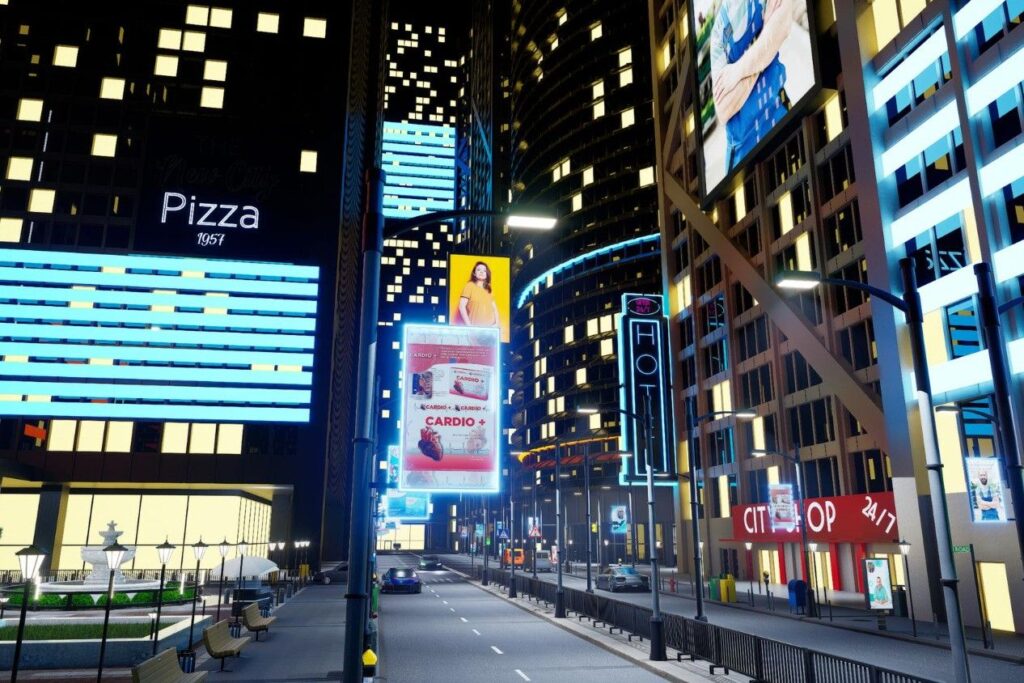
This also applies to the public places such as airports and shopping centers. These locations require huge screens that viewers can see from a distance. Lightweight fabric panels illuminate beautifully, offer high-quality, diffused light, and withstand bright, busy areas with high foot traffic.
In all these settings, there is one thing that is constant and that is clear light and stark images make people see, perceive and recall a brand much easier.
Installation and Maintenance Process
A well-planned setup makes illuminated fabric systems reliable and easy to manage over time. The process starts with frame assembly. Most aluminum frames use a tool-free or hex-key system, which allows fast alignment and stable joints. Once the frame is in place, technicians connect LED modules based on a pre-set layout. They then link power units to a standard outlet, often using low-voltage wiring for safety.
Fabric installation is simple but must be precise. Technicians press the silicone edge into the frame channel, starting from the corners and moving along each side. This step removes wrinkles and keeps tension even.
For example, during a 10×10 trade show booth setup, teams often complete full installation in under two hours.
Maintenance is minimal:
- Clean fabric with a soft cloth or mild solution
- Replace prints without removing the frame
- Check LED connections every few months
From my experience, regular checks prevent most issues before they affect display quality.
Cost Structure and Long-Term Value
Illuminated fabric systems cost varies initially based on the size, the depth of the frame, and LED quality. Prices are between $150 and 300 per square meter on average to install a complete setup. This cost can be increased with custom sizes and double-sided frames.
Nevertheless, these smart lighting systems shine in terms of long-term value. LEDs use up to 75 percent of the energy used by outdated sources of light, reducing operating expenses. Printed fabrics are re-printable at a fraction of the system cost and can be less than 50 dollars per panel (based on size).
It implies that the same frame is used by brands over the years with changing images as required. This, in the long term, saves on waste and expenditure in comparison with the traditional rigid signage systems.
Design Strategy and Brand Alignment
Good design is not merely a matter of putting an image on cloth. It needs to be well-organized and highly visual. The text must be readable at a certain distance, which is usually one inch per 10 feet of viewing area. The images should be of high quality, typically 150-300 DPI at full scale, not to be blurred.
It is also essential that there is consistency. The color code, font and layout used are usually the same in all locations. This creates awareness and confidence.
Important design considerations for smart lighting systems are:
- Remember to keep messages concise and to the point.
- Use contrast colors to read.
- Create visuals aligned with brand guidelines.
According to some projects that I have dealt with, all the best displays have one rule: simple design and clear purpose. When properly done, the message may be easy to notice and difficult to forget.