**This post is sponsored by Semrush. When you purchase through links in this article, we may earn an affiliate commission from Semrush.**
There is a moment that almost every marketer, founder, or content creator experiences.
You sign up for a new SEO platform after reading glowing reviews and watching impressive demos. The dashboard looks powerful. The reports are detailed. The feature list seems endless.
Then a few weeks pass.
The excitement fades, and you’re left wondering whether any of those features are actually helping you make better decisions.
The problem is not that SEO tools are useless. The problem is that many people expect a single platform to solve every search and visibility challenge they face. Modern search has become too complex for that approach. Rankings, AI-generated answers, content performance, competitor monitoring, technical health, and audience research all require different perspectives.
The marketers getting the best results today are not chasing the most popular tools. They are building practical workflows that help them save time, identify opportunities faster, and make smarter decisions.
This tutorial walks through a simple process for creating that kind of workflow and shows where Semrush One Solution fits naturally into the process.
Key Takeaways
- Marketers should define their goals before selecting SEO tools, as different needs require different solutions.
- A practical SEO workflow addresses real questions about content opportunities, competitor analysis, technical issues, and AI visibility.
- Finding SEO opportunities starts with researching audience demand rather than brainstorming topics.
- Fixing technical problems is crucial before creating more content, as they can hinder website performance.
- Successful marketers focus on making better decisions, using tools like Semrush to build workflows that suit their specific needs.
Table of contents
- Start With the Problem, Not the Tool
- Build a Workflow That Answers Real SEO Questions
- Step 1: Find SEO Opportunities Before Creating Content
- Step 2: Learn From Competitors Without Copying Them
- Step 3: Fix SEO Technical Problems Before Scaling Content
- Step 4: Monitor Visibility Beyond Traditional Search
- The Real Goal Is Better Decisions
Start With the Problem, Not the Tool
One of the biggest mistakes people make is choosing software before defining what they need to accomplish.
Imagine a small software company trying to increase organic traffic. The team purchases several expensive subscriptions because industry experts recommend them. Months later, they have access to more data than ever, yet traffic remains flat.
The issue wasn’t a lack of information. It was a lack of direction.
Before opening any platform, define the outcome you’re trying to achieve.
Are you looking for new content opportunities?
Do you want to understand why competitors are outranking you?
Are you trying to fix technical issues affecting performance?
Are you investigating how AI search platforms are mentioning your brand?
Once the goal is clear, selecting the right tools becomes much easier.
This is why experienced marketers rarely rely on a single platform. Different tools excel at different tasks, and the smartest approach is often combining them strategically instead of expecting one solution to do everything perfectly.
Build a Workflow That Answers Real SEO Questions
A useful SEO workflow should help answer practical questions.
What topics should we create content about?
Which competitors are gaining visibility?
What technical issues are holding us back?
How is our brand appearing across search and AI-driven experiences?
Semrush One works particularly well because it brings together many of these activities in a single environment. Instead of jumping between multiple disconnected platforms, users can move through research, analysis, optimization, and monitoring within one workflow.
If you’re new to the platform, the guide “Getting Started with Semrush: A Tutorial for Navigating the Essentials” provides a helpful introduction to the main tools and navigation. Rather than exploring every feature immediately, focus on learning the areas that support your current goals.
That approach prevents the common mistake of spending hours exploring reports without taking action.
Step 1: Find SEO Opportunities Before Creating Content
Many content teams still rely on brainstorming sessions to decide what to publish next.
Sometimes that works.
More often, it results in content that nobody is actively searching for.
A better approach is starting with demand.
Begin by researching topics relevant to your audience and industry. Look for patterns rather than individual keywords. What questions keep appearing? Which subjects are competitors covering successfully? Where are the gaps?
The goal isn’t to collect hundreds of keyword ideas.
The goal is identifying topics that deserve investment.
When you understand what your audience is searching for, content planning becomes far less dependent on guesswork.
Step 2: Learn From Competitors Without Copying Them
Competitor analysis is frequently misunderstood.
The objective isn’t to imitate everything competitors publish.
Instead, you’re looking for evidence.
What content formats perform well in your niche?
Which topics consistently attract visibility?
What backlink opportunities appear repeatedly across successful sites?
This process often reveals opportunities that would otherwise remain hidden.
For example, you may discover that competitors dominate a topic simply because they’ve published comprehensive educational resources while your site only has brief articles.
That insight creates a clear action plan.
Rather than chasing new trends every week, you can focus on closing meaningful gaps.
Step 3: Fix SEO Technical Problems Before Scaling Content
Creating more content won’t solve underlying technical issues.
Many websites struggle because search engines encounter problems crawling pages, indexing content, or understanding site structure.
A technical review helps identify issues that may quietly reduce performance.
Broken links, duplicate pages, missing metadata, and slow-loading sections can all limit visibility.
This is one reason experienced marketers regularly audit their websites instead of treating technical SEO as a one-time project.
Small improvements often create larger gains than publishing additional content.
Step 4: Monitor Visibility Beyond Traditional Search
Search behavior has changed significantly over the last few years.
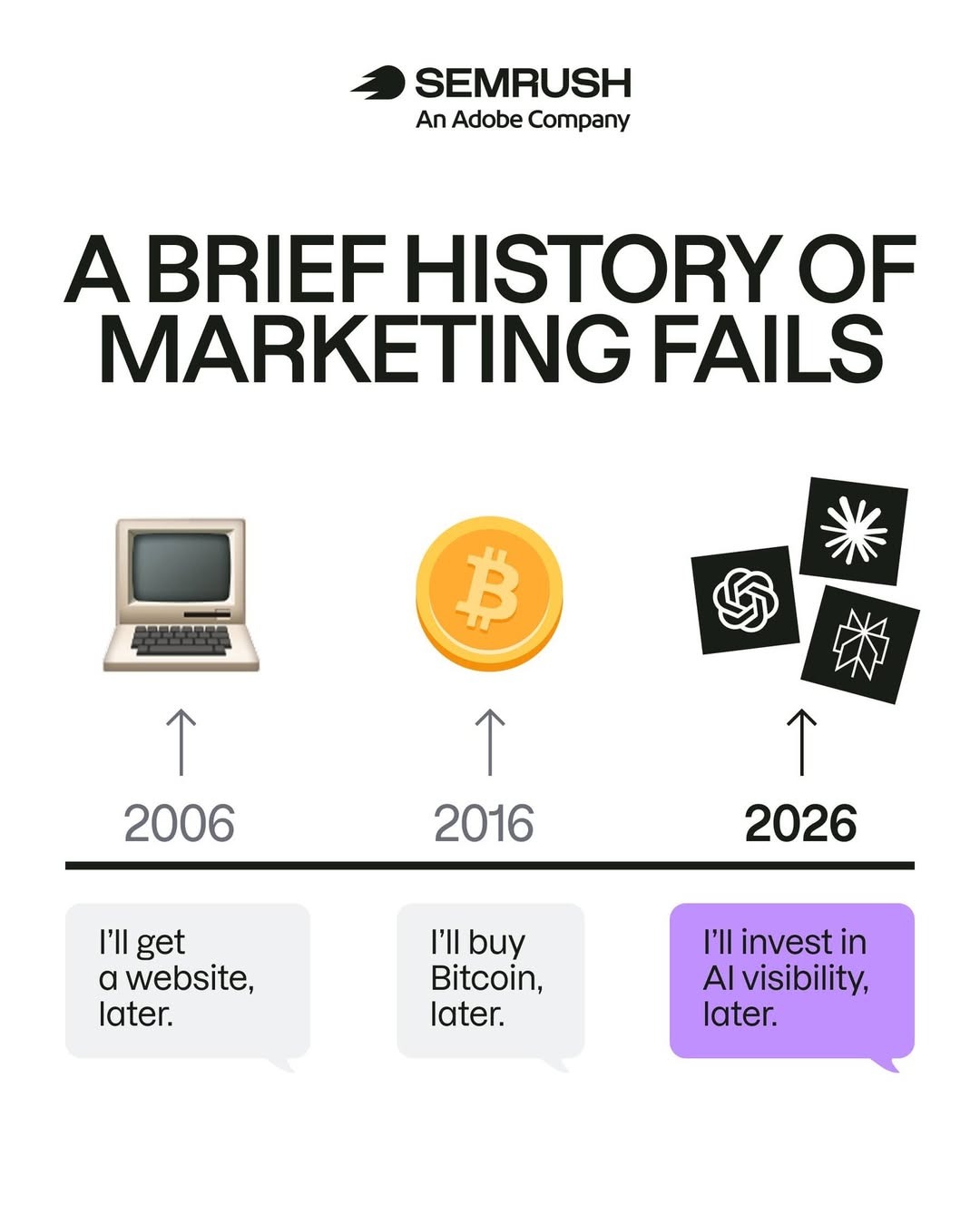
Users increasingly discover information through AI-powered search experiences, answer engines, and conversational interfaces.
This shift means visibility is no longer measured solely by traditional rankings.
Brands need to understand where they appear, how often they are referenced, and whether they are being included in AI-generated responses.
For many organizations, this is becoming just as important as monitoring organic traffic.
The ability to track both traditional search performance and emerging AI visibility signals provides a more complete picture of online presence.
The Real Goal Is Better Decisions
The most successful marketers are not the people with access to the most tools.
They’re the people who consistently make better decisions.
That’s why the conversation around SEO software often misses the point.
The question isn’t which platform has the longest feature list.
The question is whether the platform helps you move from uncertainty to action.
A good workflow should help you identify opportunities faster, understand competitors more clearly, prioritize the right improvements, and adapt to changes in how people discover information online.

Semrush One Solution fits naturally into that process because it brings together several critical parts of modern search marketing in one place. But even then, it shouldn’t be viewed as a magic solution. The strongest approach is still building a toolkit around your specific needs and objectives.
Most SEO tools are overrated when they’re treated as shortcuts.
The tools that deliver value are the ones that help you spend less time hunting for answers and more time executing on them.
In a search landscape that changes constantly, that may be the most important advantage of all.