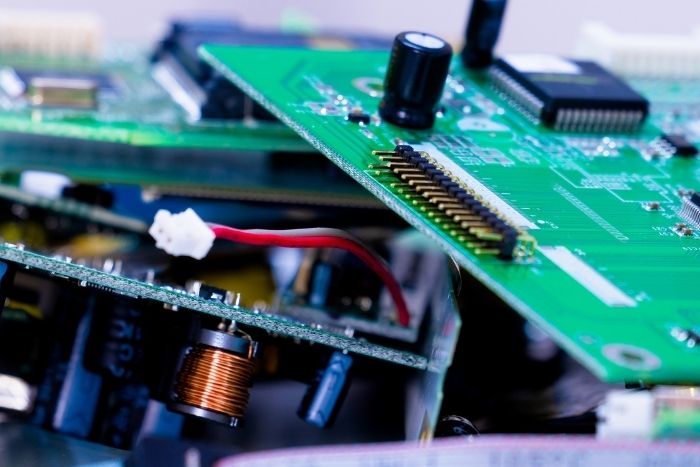
As we rely on technology to get us through our days more than ever, electronic waste becomes a greater issue. Electronic waste, or e-waste, includes all electronic products that are rejected, discarded, or forgotten. These may all end up in a landfill one way or another. E-waste can be dangerous as it breaks down.
Key Takeaways
- Electronic waste, or e-waste, includes discarded electronics and poses environmental hazards as it contains toxic substances.
- Data processing devices like computers and keyboards contribute significantly to e-waste due to poor disposal practices.
- Communication and entertainment devices, such as smartphones and TVs, often end up in landfills when not disposed of properly.
- Household appliances, including refrigerators and washing machines, are also major sources of e-waste that require proper disposal methods.
- Everyone, including businesses and individuals, must learn how to recycle electronics responsibly to reduce e-waste accumulation.
It contains hazardous and toxic substances. But what are the biggest sources of electronic waste? Keep reading to find out some of the biggest offenders to the e-waste problem.
Data Processing
Many companies use electronics such as computers, keyboards, monitors, and speakers in large quantities. With daily use by entire offices of employees, these electronics withstand a lot of wear and tear. They can break down more quickly than personal computers and other devices. If companies ignore proper electronics disposal procedures, these electronics can end up in the garbage. This can add up to a large amount of e-waste.
Communication & Entertainment Devices
Nowadays, as people go through the newest smartphones more quickly than ever, these communication devices can end up in landfills. This often happens if they are not disposed of properly. In fact, many electronics users don’t know any better than to throw their old, broken, or used electronics in the trash. Communication and entertainment devices such as smartphones, computers and laptops, televisions, DVD players, and more make up a large portion of electronics attributed to e-waste.
Household Appliances
Household appliances last much longer than most processing and personal devices, but they still make up a large portion of e-waste. Refrigerators, washing machines, air conditioners, dishwashers, and vacuum cleaners are all examples of appliances that can accidentally end up in the dumpster. Most people have these at home, but some businesses rely on larger appliances such as refrigerators and dishwashers as well. Therefore, businesses should understand the proper disposal methods just as much as homeowners.
Now that you know what the biggest sources of electronic waste are, you can do your part to stop it from collecting further. E-waste can be attributed to businesses and the everyday technology user alike. Without our knowledge of how to responsibly recycle electronics, these products will continue to collect in landfills. They will spread the unpleasant effects of e-waste. If you’re interested in all the newest tech, make sure you take the proper steps to recycle your old electronics. Do this before investing in new ones for yourself or your business.