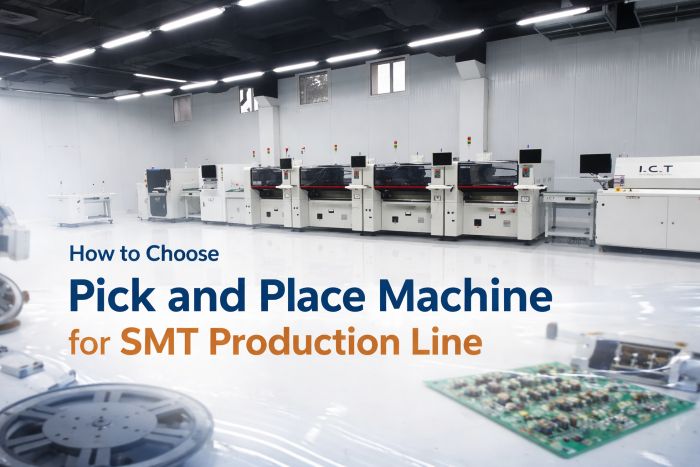
In the fast-paced world of electronics manufacturing, the performance of your SMT (Surface-Mount Technology) production line is only as good as the machines that power it. Among these machines, the pick and place machine stands out as the heart of your operation. But with so many options on the market, how do you choose the right one? A wrong decision can lead to inefficiencies, higher costs, and quality issues that harm your brand’s reputation. On the other hand, the right pick and place machine can be the game-changer that boosts production speed, minimizes defects, and drives long-term profitability. In this article, we’ll explore the critical factors to consider when selecting a pick and place machine, offering you expert insights to make an informed decision that will transform your SMT production line.
Key Takeaways
- Choosing the right pick and place machine is crucial for SMT production to avoid inefficiencies and maintain quality.
- Different types of machines include single-lane, dual-lane, high-speed, and multi-functional options to suit various production needs.
- Key features to prioritize are placement accuracy, speed, component range, and changeover time for optimal performance.
- Ensure compatibility with existing equipment and systems to improve overall efficiency and reduce errors.
- Evaluate cost and potential ROI carefully, as a good investment in quality machines can lead to long-term savings and productivity.
Table of contents
- 1. Introduction: The Importance of Choosing the Right Pick and Place Machine
- 2. Understanding the Types of Pick and Place Machines
- 3. Key Technical Features to Consider
- 4. How to Assess Machine Compatibility with Your Existing SMT Line
- 5. Cost Considerations and ROI Analysis
- 6. Choosing the Right Brand and Supplier
- 7. Conclusion and Final Recommendations
1. Introduction: The Importance of Choosing the Right Pick and Place Machine
A pick and place machine is essential for any modern SMT production line. It automates the process of placing electronic components onto printed circuit boards (PCBs), ensuring high-speed, high-precision assembly. The right pick and place machine can significantly increase throughput, reduce defects, and lower labor costs. Choosing the wrong machine, however, can lead to inefficiencies, higher defect rates, and increased downtime. Therefore, understanding your production needs and selecting a machine that fits is crucial to maintaining a competitive edge in the industry.
2. Understanding the Types of Pick and Place Machines
There are several types of pick and place machines available in the market. The most common categories include:
- Single-lane vs. Dual-lane Machines: Single-lane machines are generally used for smaller production runs, while dual-lane machines can handle higher volumes more efficiently.
- High-Speed Machines: These are designed for high-volume production, capable of placing components at rapid speeds without sacrificing accuracy.
- Multi-functional Machines: These machines can handle various component sizes and types, making them ideal for mixed production runs.
The key is to choose a machine that matches the scale of your production and the types of components you work with. For example, high-speed machines are ideal for large-scale operations, while multi-functional machines are perfect for companies that produce a variety of products with different components.
3. Key Technical Features to Consider
When evaluating a pick and place machine, there are several technical features that should be prioritized:
- Placement Accuracy: The precision of the placement directly impacts the quality of your product. Machines with higher placement accuracy will reduce the risk of defects, leading to better yield rates.
- Speed: Speed is a critical factor in meeting production deadlines. A faster machine can increase throughput, but it should not come at the cost of accuracy.
- Component Range: Consider the range of components the machine can handle. If your production line involves a variety of small and large components, ensure the machine can accommodate them all.
- Changeover Time: Faster changeover times are essential for improving flexibility in your production line. Machines that allow quick adjustments to different components or settings can save time during product transitions.
These technical parameters will directly impact your production efficiency and product quality, so it’s vital to consider them carefully before making a decision.
4. How to Assess Machine Compatibility with Your Existing SMT Line
Another critical factor is the compatibility of the pick and place machine with your existing production line. Ensure that the machine can integrate smoothly with other equipment, such as solder paste printers, reflow ovens, and automated optical inspection (AOI) systems. A well-integrated system can optimize the flow of materials and data across the line, reducing the likelihood of errors and improving overall efficiency.
Additionally, check if the machine’s software is compatible with your existing Manufacturing Execution System (MES). Having unified control over all equipment will ensure consistent operation and better quality control.
5. Cost Considerations and ROI Analysis
The initial cost of purchasing a pick and place machine can be significant, but it’s important to look beyond the upfront price. Evaluate the potential return on investment (ROI) over time. A higher-priced machine with better accuracy and speed may reduce the need for rework and defects, leading to lower long-term costs. Additionally, consider factors such as energy efficiency, maintenance costs, and the potential for increased production throughput, which can all contribute to a more favorable ROI.
A smart investment in equipment that aligns with your production needs can pay off significantly in the long run by improving both efficiency and product quality.
6. Choosing the Right Brand and Supplier
Selecting a reliable machine brand and supplier is just as important as the technical specifications. A reputable brand will offer robust machines with a track record of reliability and performance. It’s also essential to choose a supplier that provides excellent customer support, including installation, training, and after-sales service.
For instance, when considering a pick and place machine, ensure that the supplier offers adequate training and support to ensure smooth integration into your production line. The right supplier will not only help you choose the best equipment for your needs but also provide the ongoing service and maintenance required to keep your production line running smoothly.
7. Conclusion and Final Recommendations
In conclusion, selecting the right pick and place machine for your SMT production line is a critical decision that requires careful consideration of your production needs, technical requirements, and budget. By evaluating factors like machine type, technical specifications, compatibility, and ROI, you can make an informed decision that enhances your production efficiency and product quality.
For more information on high-quality pick and place machines, check out the comprehensive solutions offered by I.C.T, where expert support and reliable equipment are just a click away. By partnering with a trusted supplier, you’ll be better positioned to optimize your production line and stay competitive in the ever-evolving electronics manufacturing industry.