A fingerprint attendance system records when employees start and finish work by verifying identity through a fingerprint scan. It replaces paper registers with time-stamped digital logs, which reduces manual errors and gives clearer payroll data. When it is paired with access control, it can also show who is on site and who is permitted to enter specific areas.
Dubai’s offices, retail outlets, warehouses and commercial facilities often run across multiple shifts, sites and nationalities. Manual sign-in sheets and spreadsheets are slow to reconcile, easy to alter and hard to audit in that setting. Biometric attendance and access control technologies are one alternative, but each comes with strengths, limitations and responsibilities that are worth understanding before adoption.
Key Takeaways
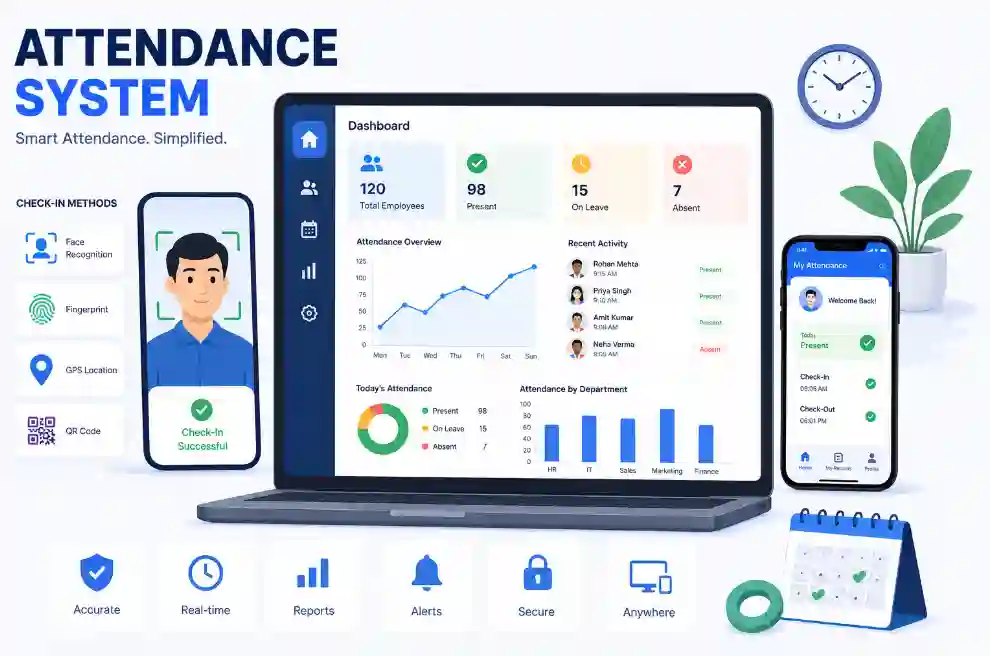
- A fingerprint attendance system logs employee work hours through fingerprint scans, improving accuracy over paper records.
- It helps businesses in Dubai manage attendance data across various sectors like offices, retail, and logistics efficiently.
- Fingerprint attendance reduces errors like buddy punching and allows for better integration with HR and payroll systems.
- Choosing the right technology—fingerprint, face recognition, or RFID—depends on workplace needs and privacy considerations.
- Organizations must ensure proper installation, data handling, and compliance with local regulations for effective use.
Table of contents
- What Is a Fingerprint Attendance System?
- Why Attendance and Fingerprint Tracking Matters for Dubai Workplaces
- Fingerprint vs. Face Recognition vs. RFID Cards
- Attendance Management vs. Fingerprint Access Control
- Magnetic Door Locks and Integrated Access Control
- What to Consider When Planning a System
- Frequently Asked Questions
- What is a fingerprint attendance system, and how does it work?
- Which attendance system is suitable for businesses in Dubai?
- What is the difference between fingerprint and face attendance?
- Can RFID cards and biometric attendance systems work together?
- Can a biometric attendance system be integrated with magnetic door locks?
- Conclusion
What Is a Fingerprint Attendance System?
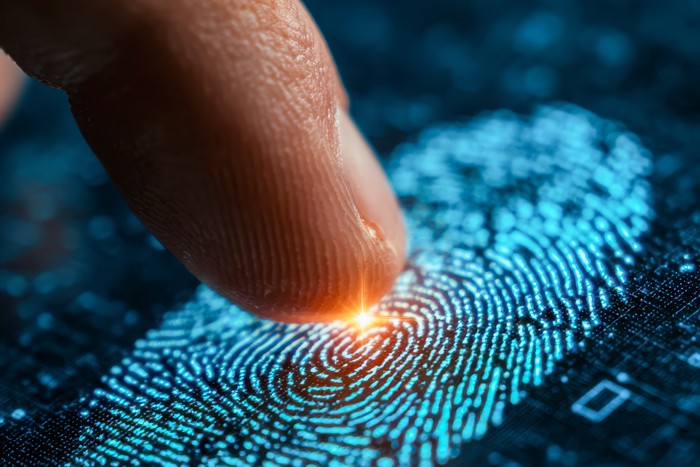
A Fingerprint Attendance System Dubai combines a scanning device with software. The device captures a fingerprint and converts it into a digital template, which is a mathematical representation rather than a stored photograph of the finger. The template is compared with those stored for enrolled employees. When a match is found, the system logs the employee’s identity with a date and time.
How attendance data is used
Recorded punches are collected in attendance software, where HR teams can review late arrivals, overtime, absences and shift patterns. Many systems can export reports or connect to payroll and HR platforms, although integration options differ between products and should be checked in advance.
Reducing buddy punching and fingerprint errors
Because a fingerprint belongs to one individual, a colleague cannot easily clock in on someone else’s behalf, a practice known as buddy punching. Automated logging also removes the transcription mistakes that occur when hours are copied from paper into payroll sheets. No method is flawless, but verifying the person rather than a card or a signature closes a common gap.
Why Attendance and Fingerprint Tracking Matters for Dubai Workplaces
Accurate attendance records give organizations a single, consistent source of workforce data. The need varies by setting:
- Offices: Flexible hours and hybrid arrangements make presence difficult to track manually. Automated logs give managers a clear view without constant check-ins.
- Retail and hospitality: Staff often work rotating shifts across several branches. Central reporting lets supervisors compare rosters with actual hours worked.
- Warehouses and logistics sites: Large teams tend to arrive at the same time. Fast verification at the entrance helps avoid queues and keeps records consistent.
- Commercial facilities: Property and facility managers need reliable records of staff and contractor presence.
Beyond payroll, attendance data supports scheduling decisions, helps identify recurring lateness and provides evidence for reviews or audits.
Fingerprint vs. Face Recognition vs. RFID Cards
There is no single best technology. The right choice depends on the workplace, privacy expectations, environment and budget.
Fingerprint attendance
Fingerprint attendance is widely used and generally cost-effective. It ties each punch to a specific person. However, worn, dirty or damaged fingerprints can cause read failures, which is a known consideration for workers in manual trades. Sensor cleanliness and placement also affect reliability.
Face recognition attendance
Face recognition is touchless, which suits shared entrances, clean environments and high-traffic doors. Performance can depend on lighting, camera quality and device placement. It also raises specific privacy questions, so organisations should be transparent about how facial data is captured, stored and used.
RFID cards
RFID cards are simple, familiar and easy to issue or revoke. They suit visitors, temporary staff and large sites where speed matters. The trade-off is that a card proves possession, not identity, so cards can be lent or lost unless they are combined with another verification factor.
Combining methods
Many organisations combine technologies, for example RFID cards for general entry and fingerprint or face verification for sensitive areas. Whichever option is used, no technology should be treated as completely secure or universally superior.
Attendance Management vs. Fingerprint Access Control
Attendance management and physical access control are separate functions. Attendance records when someone worked. Access control decides whether someone may pass through a particular door. A terminal built only for attendance does not automatically control a lock.
When the two are deliberately integrated, organisations can gain several benefits:
- Employee authentication: Staff verify identity with a fingerprint, face or RFID card before entering.
- Access permissions: Different employees can be authorised for different zones, such as server rooms, stock areas or finance offices.
- Attendance and entry logs: Records show who entered where and when, which supports investigations and routine audits.
- Unauthorised-entry prevention: Doors remain locked unless a valid credential is presented.
These measures work best alongside sensible policies, such as removing credentials promptly when staff leave.
Magnetic Door Locks and Integrated Access Control
Magnetic door installations use electromagnetic locks that hold a door closed until a controller releases them. Linked to an access control system, they can restrict entry to offices, storage rooms and other sensitive areas to authorised people only.
Integration with credentials
A controller can release the lock after a valid fingerprint, face scan or RFID card is presented, provided the chosen devices support this. Not every attendance terminal supports door control, so it is important to confirm that the terminal, controller and lock are designed to work together.
Safety and installation
Door locking affects how people leave a building in an emergency. Installations should account for emergency egress, fire-safety requirements and the correct fail-safe or fail-secure configuration for each door. Fail-safe locks release when power is lost, while fail-secure locks stay locked. The right choice depends on the door’s purpose and on applicable regulations, which is why professional installation and compliance with local requirements matter.
What to Consider When Planning a System
It helps to start with a clear picture of requirements:
- Employee numbers: Device capacity and user licences should match current headcount, with room for growth.
- Entry points: Count the doors that need access control rather than attendance alone.
- Operating hours: Shift work and 24-hour sites need dependable hardware and reporting.
- Reporting needs: Check that overtime, leave and shift rules can be handled.
- Future expansion: Look for systems that can add users, devices and sites.
Comparing providers
The equipment is only part of the picture. Whoever supplies and installs a system influences how smoothly it is set up and supported over the years. Useful questions to ask any provider include:
- Who handles cabling, mounting, network setup and testing?
- Will the devices work with existing HR, payroll or access systems?
- What after-sales support and response arrangements are available?
- Can reports be customised to match payroll cycles and shift rules?
- Can the system grow with additional staff, branches or doors?
Requesting a written quotation that states exactly what is included helps make comparisons fair.
Privacy and data handling
Biometric data is sensitive. Organisations should collect only what is needed, explain its use to employees, restrict who can view it and store it securely. Because UAE rules on personal data can apply, it is wise to confirm obligations with a qualified legal adviser.
Small businesses and larger facilities
A small office may need only one fingerprint or face terminal with simple reporting. Larger commercial facilities typically require multiple devices, centralised management, zoned permissions and integration with door hardware. Starting with the smallest setup that meets today’s needs, while leaving room to expand, is often a sensible approach.
Frequently Asked Questions
What is a fingerprint attendance system, and how does it work?
A fingerprint attendance system scans an employee’s fingerprint, converts it into a digital template and matches it against enrolled records. When verified, it logs the person’s identity with a time stamp. The data is stored in attendance software, where HR teams can review hours, lateness and absences.
Which attendance system is suitable for businesses in Dubai?
The right system depends on headcount, workplace conditions, privacy expectations and budget. Offices may prefer fingerprint or face terminals, while busy sites may favour RFID cards for speed. Many organisations combine methods.
What is the difference between fingerprint and face attendance?
Fingerprint attendance requires touching a sensor, while face attendance verifies identity through a camera without contact. Fingerprint readers can struggle with worn or dirty fingers, and face systems can be affected by lighting and placement. Both involve biometric data, so privacy and secure storage should be considered.
Can RFID cards and biometric attendance systems work together?
Yes, many systems support both. An organisation might use RFID cards for general entry and add fingerprint or face verification for sensitive areas or stronger identity checks. Compatibility depends on the specific devices and software, so supported credential types should be confirmed before purchase.
Can a biometric attendance system be integrated with magnetic door locks?
Sometimes. Integration requires a terminal and controller designed to trigger lock release, plus correctly installed hardware. Not every attendance terminal supports door control. Safety requirements such as emergency egress and fire-safety compliance must also be addressed, so professional installation is recommended.
Read Next
A few related pieces worth your time:
- Genshin Impact: A New Fantasy Experience Enhanced by Technology
- Top 10 MVP Development Companies in the UK (Expert Picks for 2026)
- Top 5 Software Solutions to Manage Your Airbnb Listings Efficiently
Conclusion
Combining dependable attendance tracking with appropriate access controls can give Dubai workplaces more accurate records, clearer oversight and a safer environment. The best results come from understanding the specific workplace, weighing fingerprint, face recognition and RFID options honestly, handling biometric data responsibly and ensuring installation meets safety and local requirements.