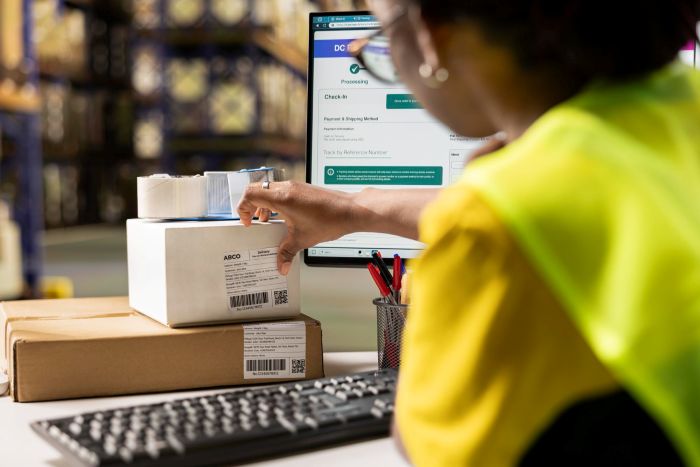
Although dropshipping operations have been around for longer than most people think, it has recently (within the past decade) matured into a modern business model. It has moved away from the conventional “list products and then run ads” model toward something more sophisticated to cater to modern audiences, who are typically much savvier in terms of knowing what to buy and where to find the best price. For those attempting to adjust to this new way of doing things, it can often appear that adding more jobs yields the same results. But with the right tools, you can automate many tasks, reducing the amount of work required while dramatically increasing the overall revenue.
Key Takeaways
- Dropshipping operations have evolved from simple product listings to sophisticated models requiring automation for efficiency.
- Automation tools can simplify workloads in dropshipping by handling tasks like order management and real-time inventory synchronization.
- Centralized order management consolidates information and improves decision-making, enhancing efficiency and reporting accuracy.
- Automated fulfillment enables faster processing of customer orders, which is crucial for larger customer bases to prevent bottlenecks.
- Overall, automation reduces costs and errors while allowing dropshipping operations to focus on growth and customer experience.
Table of contents
How Automation Tools Simplify Dropshipping Operations
While some tasks still need to be performed manually (particularly the creative marketing side), almost all others can be automated to at least some degree. Using the right dropshipping automation tool can assist you in simplifying your workload and maintaining a high degree of accuracy. Whether it’s streamlining order management systems or connecting databases to suppliers for real-time inventory updates, automation is truly remarkable.
Centralized Order Management
There is nothing worse than having multiple orders from multiple customers that also happen to come from multiple suppliers. An automated system will compile all pertinent information into a single dashboard, eliminating the need to log into each channel and simplifying the process from beginning to end, including any necessary returns and refunds.
Another major advantage of centralized order management with dropshipping operations is improved reporting and decision-making. Because all order data is collected in one place, business owners can quickly identify sales trends, monitor supplier performance, track fulfillment times, and evaluate which products are generating the most revenue. Having access to accurate, real-time insights makes it easier to adjust inventory strategies, optimize product offerings, and address potential issues before they affect customers, helping the business operate more efficiently as it continues to grow.
Faster Fulfillment And Shipping
Once an order comes in from a customer, wheels need to start turning ASAP. While this is the case for all e-commerce businesses, those with a larger customer base really need to ramp things up to be able to meet demand and avoid this part becoming a bottleneck. By utilizing automated fulfillment services, you can create several sequences that happen without (or very little) oversight, including:
- Procuring the product from your supplier
- Creating a tracking number
- Updating your customer via whatever channels you implement

Real-Time Inventory Synchronization
In the past, it was the case that a dropshipper would have to rely on a web of Excel sheets and a stout heart to enter all the details into their store. However, this is perhaps the most important action that automation assists with. Automating the process of inventory management by syncing up with your various suppliers (and showing them in a centralized dashboard) can help you to maintain accuracy and stay on top of things. Particularly useful during peak selling seasons when you really want to avoid selling out of the most popular products or having to refund an angry customer when they order something that happens to be unavailable.
Automation Saves Money
Most automation solutions will have some kind of costs involved. This is to be expected due to the number of options they typically provide. But when you weigh the costs against doing things manually, you will find that they are far lower and, often, will cut down on several other expenses. Automation of as much of the process as possible often means:
- Fewer staffing requirements
- Reducing dropshipping prices by automating the research phase and finding suppliers
- Reduced human error
- Better shipping coordination
- Faster customer response times lead to an uptick in loyalty
Automation can mean many things to many people, but to the average dropshipping operation, it means reduced costs, improved accuracy, and ultimately far fewer headaches when running the business. As long as you choose the right tools for the jobs you need to automate, you will free up time and resources that you can put toward expanding your business.
In 2026, this becomes even more important for entrepreneurs selling across multiple platforms. Managing separate storefronts, supplier relationships, inventory feeds, shipping updates, and customer communications manually is no longer practical once a business starts to grow. Automation allows merchants to scale without increasing complexity at the same rate. Instead of spending hours each day handling repetitive administrative tasks, business owners can focus on areas that generate growth, such as marketing, branding, product selection, and customer experience. The result is a more efficient operation that can serve more customers, process more orders, and adapt more quickly to changing market conditions. For dropshipping operations looking to build a sustainable business rather than simply manage daily workloads, automation has become less of a convenience and more of a competitive necessity.