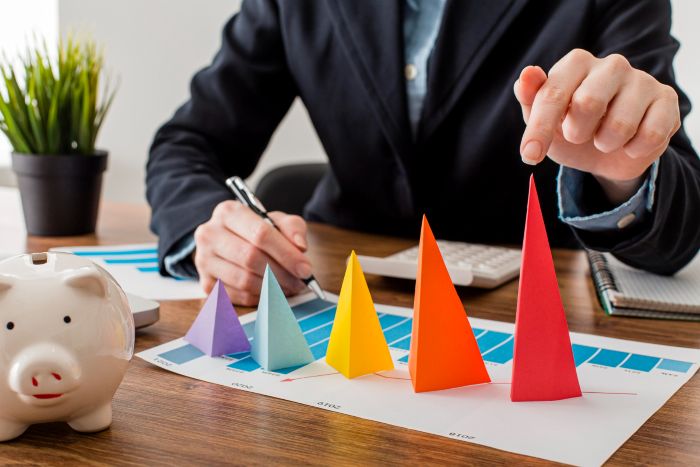
Most growing businesses spend the majority of their marketing budget tracking new customers, or it makes sense on the outside or more customers more revenue. But this logic starts to break down the moment you realize that acquiring a new customer costs five to seven times more than maintaining an existing one. That gap in customer lifetime value is exactly where lifecycle marketing earns its place instead of behaving every customer interaction as a one-off transaction.
Lifecycle marketing meets people where they are from the moment they first discover your brand to the point where they become loyal defenders who send new buyers your way.
This article walks you through what lifecycle marketing actually means in practice or why it directly impacts customer lifetime value CLV and the specific strategies growing businesses can act on right now.
Key Takeaways
- Lifecycle marketing focuses on nurturing existing customers rather than just acquiring new ones, which costs significantly more.
- It consists of five stages: Awareness, Acquisition, Conversion, Retention, and Advocacy, each requiring tailored messaging and strategies.
- By effectively engaging customers through each stage, lifecycle marketing boosts customer lifetime value (CLV) by increasing purchase frequency and extending relationships.
- Segmentation and automation are essential components, helping businesses target meaningful groups and execute strategies efficiently.
- Measuring metrics such as Customer Lifetime Value and churn rate helps businesses refine their lifecycle marketing efforts for better results.
Table of contents
- What is Lifecycle Marketing?
- Why Lifecycle Marketing Directly Improves Customer Lifetime Value
- The Five Lifecycle Stages and What to Do at Each One
- Segmentation: The Skill That Makes Lifecycle Marketing Work
- Automation: The Engine Behind Scalable Lifecycle Marketing
- Measuring What Matters: Key Metrics for Lifecycle Marketing
- Final Thoughts
What is Lifecycle Marketing?
Lifecycle marketing is a strategy that aligns your messaging channels and offers to the specific stage a customer consumes in their relationship with your brand. Rather than blasting the same campaign to your entire list you segment by behavior and intent and deliver content that matches where someone actually is in their journey.
The concept draws on a simple truth or a person who signed up for your newsletter yesterday has completely different needs from someone who has bought from you six times. Treating them identically wastes budget erodes trust and leaves revenue on the table.
At its core the lifecycle marketing is built around five stages of awareness acquisition and conversion retention and advocacy. Each stage requires a different tone of offer and call to action or get the organizing right and you create an increasing effect where early-stage nurture builds the base for long-term loyalty.
Lifecycle Stage Overview
| Lifecycle Stage | Primary Goal | Key Channel | Example Campaign |
| Awareness | Attract new visitors | SEO / Paid Ads | Blog content or lead magnets |
| Acquisition | Convert visitors to leads | Email opt-ins | Welcome series or free trials |
| Conversion | Turn leads into buyers | Email automation | Cart abandonment or offer emails |
| Retention | Keep customers active | Email + SMS | Loyalty programs or re-engagement |
| Advocacy | Turn buyers into promoters | Referral programs | Review requests or referral links |
Why Lifecycle Marketing Directly Improves Customer Lifetime Value
Customer lifetime value measures the total revenue a business can expect from a single customer over the course of the relationship. Most businesses track this number but fewer actively manage the changeables that move it.
Lifecycle marketing changes that when you consistently engage customers at each stage with relevant content you increase purchase frequency or raise average order value and extend the length of the relationship. Those three factors are the mathematical engine behind CLV.
According to research from Bain & Company increasing customer retention rates by just five percent can increase profits by 25 to 95 percent. That range exists because the compounding effect of repeat purchases reduces support costs and word-of-mouth referrals add up differently across industries but the direction is always upward.
The businesses that build lifecycle marketing into their operations are not just reducing churn. They are systematically creating conditions where customers spend more or stay longer and bring others with them.
The Five Lifecycle Stages and What to Do at Each One
Awareness: Make the Right First Impression
This is where a potential customer first encounters your brand or your goal here is not to sell it is to earn attention and build enough credibility that they want to learn more.
Content marketing or organic search paid social and word-of-mouth are the primary drivers at this stage. Blog posts short-form video and comparison guides work especially well because they answer real questions without immediately asking for anything in return.
The metric that matters most at awareness is reach combined with engagement rate high reach with low engagement often signals a message-audience mismatch worth fixing early.
Acquisition: Convert Interest into an Ongoing Relationship
Awareness creates curiosity and accession captures or it is the stage where a visitor shares their contact details or typically an email address in exchange for something valuable and a discount or a guide for a free trial or exclusive access.
Your welcome email series is one of the most leveraged assets in lifecycle marketing. Open rates for welcome emails consistently outperform other campaigns sometimes by a factor of four or five. Use that window to set expectations or highlight what makes your brand different and guide new subscribers toward their first purchase.
Platforms like Omnisend make it straightforward to build automated welcome sequences that trigger immediately when someone joins your list so the conversation starts at exactly the right moment without manual effort.
Conversion: Remove the Friction Between Interest and Purchase
The conversion stage is where intent turns into action or someone who has received your welcome emails browsed your products and added items to a cart is close but close is not the same as done.
Cart abandonment automation is one of the highest-ROI tactics at this stage or studies consistently show that roughly 70 percent of ecommerce shopping carts are abandoned before checkout. A well-timed follow-up email sent within an hour of abandonment recovers a meaningful portion of that revenue.
Beyond cart recovery product recommendation emails or time-limited offers and social proof elements like reviews and testimonials all reduce the psychological friction that stops someone from completing a purchase.
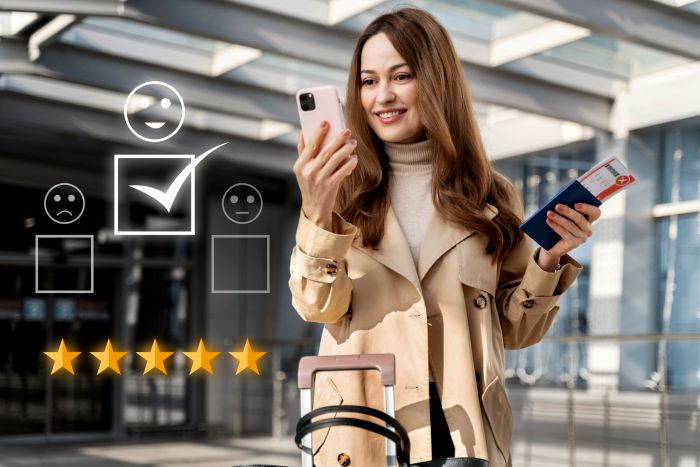
Retention: Build the Habits That Create Loyal Customers
The conversion stage ends when someone buys but from a lifecycle marketing perspective the real work starts there. The post-purchase period is when you either cement a relationship or lose a customer to someone more attentive.
Start with a strong post-purchase sequence and confirm to the order set expectations for delivery and then follow up with onboarding content that helps the customer get maximum value from what they bought. This step alone reduces buyer’s remorse and increases the likelihood of a repeat purchase.
Loyalty programs are another powerful retention tool when customers earn points or reach tiers or unlock exclusive perks through continued engagement. They have a concrete reason to choose you over a competitor offering a similar product at a slightly lower price.
Re-engagement campaigns are equally important for customers who have gone quiet for 60 to 90 days represent a segment worth targeting directly. A well-crafted win-back email ideally with a personalized subject line and a relevant incentive often reactivates a meaningful percentage of lapsed buyers at far lower cost than replacing them with entirely new customers.
Advocacy: Turn Loyal Buyers into Your Best Salespeople
Advocacy is the stage most businesses underinvest in despite it being one of the most cost-efficient growth levers available. Customers who actively recommend your brand are effectively doing your acquisition work for you.
Referral programs formalize this dynamic when you offer an existing customer a tangible reward and a discount store credit or an exclusive product for bringing in someone new. You create a loop where satisfied customers fund their own growth.
Review request campaigns here asking happy customers to share their experience on Google Trustpilot or your own product pages does not require a large incentive. Timing matters more than the reward send the request when satisfaction is highest which is typically two to three days after a positive delivery experience.
Segmentation: The Skill That Makes Lifecycle Marketing Work
Lifecycle marketing without segmentation is just email marketing with extra steps to the real power of this approach comes from your ability to divide your audience into meaningful groups and tailor messaging accordingly.
Behavioral segmentation looks at what someone has actually done and pages visited or products viewed and purchases made emails opened. This type of data is the most actionable because it reflects current intent rather than assumed interest.
RFM segmentation Recency Frequency and Monetary value is a particularly useful framework for ecommerce businesses. It sorts customers into tiers based on how recently they bought or how often they buy and how much they spend. High-RFM customers are your VIPs and deserve exclusive treatment. Low-RFM customers are either lapsing or have never fully engaged and they need a different approach entirely.
Growing businesses do not need to start with complex segmentation and a simple three-tier model new subscribers or active buyers and lapsed customers already creates enough structure to deliver meaningfully different experiences to each group.
Automation: The Engine Behind Scalable Lifecycle Marketing
The most sophisticated lifecycle strategy in the world delivers zero value if it relies entirely on manual execution. Automation is what transforms a well-designed plan into a system that runs consistently at scale without requiring a team to monitor every touchpoint.
The essential automations for growing businesses include:
- Welcome series triggered when someone joins your email list
- Abandoned cart recovery sent within one to three hours of abandonment
- Post-purchase onboarding activated after a first order
- Win-back campaigns triggered after a defined period of inactivity
- Birthday or anniversary emails tied to customer milestones
Each of these sequences has a defined trigger and a clear goal and measurable outcomes. Once built they run in the background nurturing leads recovering lost revenue and strengthening customer relationships while your team focuses on higher-level strategy.
Modern email automation platforms make this accessible even for small teams and the setup investment is front-loaded, but the return compounds over time as each sequence delivers consistent results across a growing customer base.
Measuring What Matters: Key Metrics for Lifecycle Marketing
Strategy without measurement is guesswork and growing businesses should track a core set of metrics to understand how their lifecycle marketing is performing and where the biggest opportunities exist.
Customer Lifetime Value is the headline metric that tracks it by cohort of customers who joined in a specific month or through a specific campaign to understand which acquisition channels produce the highest-value relationships over time.
Churn rate tells you how many customers you are losing in a given period and a rising churn rate is an early warning sign that your retention stage needs attention.
Email engagement metrics open rate or click rate and conversion rate by campaign type reveal which messages resonate and which need rethinking. Automation performance, particularly cart recovery revenue and win-back reactivation rates shows the direct financial impact of your sequences.
Reviewing these numbers monthly or not annually lifecycle marketing is an iterative discipline and the businesses that improve fastest are the ones that treat every campaign result as a learning opportunity.
Final Thoughts
Lifecycle marketing shifts the fundamental question in your business from how do we get more customers to how do we build better relationships with the customers we have. That shift in framing from acquisition-first to relationship-first is what ultimately drives improvements in customer lifetime value.
For growing businesses the practical starting point is simpler than it might appear and pick one stage of the lifecycle where your current performance is weakest. Build one automation sequence for that stage and measure the results then expand from there.
Sustainable business growth is built on customers who keep coming back lifecycle marketing is the system that makes that happen.