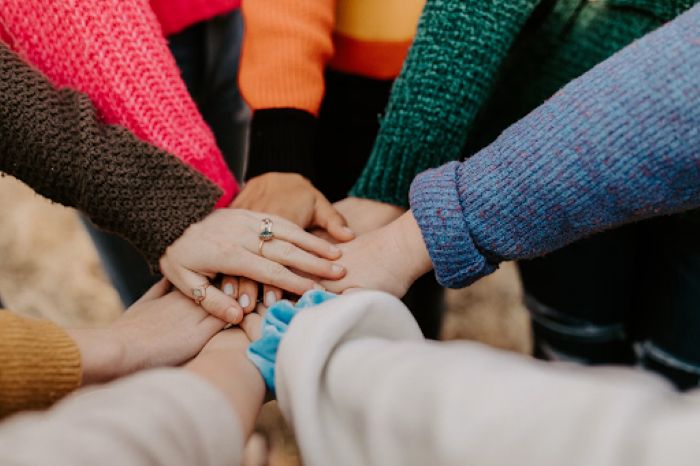
Working with artificial intelligence demands high levels of focus and clear communication. Bringing teams together for short collaborative team building exercises can shift the energy before a long session.
These quick activities spark creativity and keep everyone aligned on the same objectives. Setting aside a few minutes for a lighthearted connection sets a positive tone for the entire workday.
Key Takeaways
- Short collaborative exercises improve focus and creativity during AI work sessions.
- Using a random number picker for speaking order promotes fairness and inclusivity in team meetings.
- Icebreaker questions during meetings build relationships and reduce performance anxiety.
- Integrating smart applications into workflows enhances team performance and morale.
- Designing collaborative prompts requires input from various departments to optimize results.
Table of contents
Selecting Participants Fairly
Choosing who speaks first during a tech demonstration can feel predictable or biased. Using a random number picker solves this issue by keeping every team member on their toes. This simple digital selection tool creates a sense of excitement and fairness before team building presentations begin.
People enjoy the element of surprise when numbers dictate the order of meeting assignments. This simple practice removes office politics from daily interactions completely. Everyone receives an equal opportunity to share ideas or lead discussions.
Using digital tools prevents the same vocal individuals from dominating every team meeting. Quieter employees feel far more comfortable when selection happens through an unbiased, automated mechanism. This method successfully creates an inclusive atmosphere where every voice gets a chance to shine.
Embracing Technological Changes
Adapting to new systems requires a strong foundation of trust among colleagues. A blog post from a hospitality venue mentions that building a cohesive and engaged team matters more than ever since smart tech has altered almost every career field. Groups that communicate openly handle operational shifts with fewer friction points.
Corporate managers can schedule brief exercises to maintain high morale during difficult system transitions. These simple interactions help staff members feel supported throughout intense technological updates. Shared laughter reduces the stress of learning complex software interfaces.
Prioritizing authentic human connections helps companies navigate rapid technological changes without losing their core identity.
Staff members who feel connected support each other through steep learning curves naturally. Strong relationships form a safety net during sudden periods of corporate reorganization.
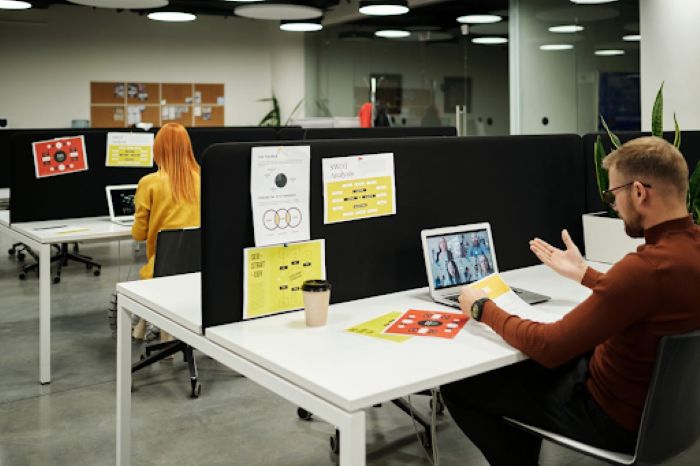
Start Team Building with Icebreaker Questions
Gathering for morning syncs can sometimes feel repetitive or mechanical. An online guide from a large university suggests starting meetings with a fun icebreaker question to help team members learn more about each other.
Queries can range from favorite movies to imaginary scenarios involving automated corporate assistants. Coworkers discover shared interests outside their daily technical tasks quite easily. These brief discussions build relationships that improve long-term project outcomes significantly.
Spending 5 minutes on personal stories before analyzing complex code lowers performance anxiety significantly.
People collaborate more freely when they see their coworkers as approachable peers instead of distant names. These tiny investments in conversation yield massive benefits for workplace culture.
Reviewing Team Performance Metrics
Measuring output helps groups identify areas that need extra attention. An article from a business school highlights a research paper showing that incorporating smart applications into operations increases performance and improves the collective experience of the workforce. Integrating these tools correctly helps human workers achieve major goals faster.
Teams should celebrate major milestones achieved through human and machine collaboration regularly. Regular reviews prevent misunderstandings about individual workplace contributions. Clear metrics build confidence across multiple departments.
Analyzing patterns allows managers to distribute workloads more evenly across the department. Employees avoid burnout when automated systems handle repetitive tasks, and people focus on strategy instead. Balanced schedules keep the workforce motivated and creative.
Designing Collaborative Prompts
Working on prompt design requires distinct perspectives from different departments. Engineering specialists and creative writers must combine their skills to get optimal results from modern applications. Group drafting exercises allow individuals to see how colleagues approach complex problems.
Structured workshops give participants distinct roles during the drafting process. Here are 3 roles teams can rotate through during a session:
- The architect who outlines the main goals of the prompt
- The editor who refines the vocabulary for clarity
- The tester who runs the input and analyzes the response
Rotating these responsibilities prevents individuals from getting stuck in one perspective. People gain a deeper appreciation for the skills of their peers.
Simulating Future Tech Scenarios
Imagining future challenges helps modern organizations prepare for unpredictable market shifts. Colleagues can spend 10 minutes mapping out responses to hypothetical system outages or urgent data requests.
Teams can present their solutions to the group for constructive feedback. Open discussions reveal creative approaches that standard training programs might overlook entirely. Overcoming these imaginary crises builds collective confidence for complicated real-world situations.
Brainstorming sessions remove the fear of making critical errors in front of senior executives. Coworkers explore unusual ideas without worrying about strict budget constraints or immediate project deadlines.
Maintaining a strong team dynamic requires deliberate effort and regular engagement. Integrating brief, interactive exercises into daily schedules prevents employee fatigue and keeps energy levels high.
When team building, workers feel more connected when they share lighthearted moments between heavy technical tasks. These simple practices pave the way for smoother collaboration across every future project.