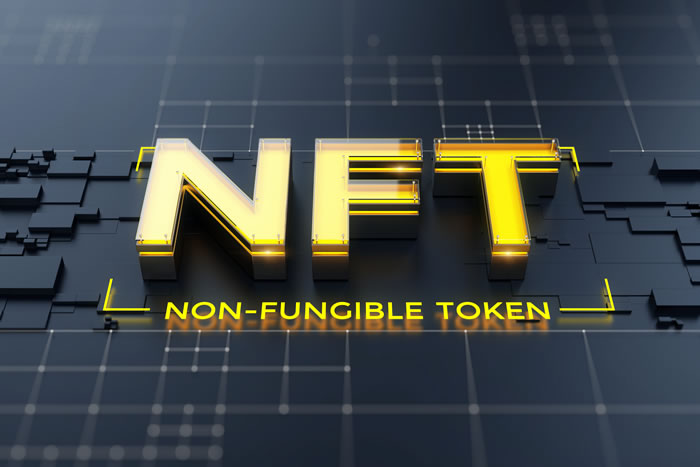
What is an NFT?
- NFT, which stands for Non-Fungible Token, is actually a super-simple technology to understand. Most people think of NFTs as digital collectibles, like art, music, or trading cards. But that’s just how they are being used. They are actually just serial numbers for a piece of content or data that lives on the internet, specifically, a blockchain-powered one in this data-driven economy.
- To software engineers, NFTs are an evolution in how they’d use unique identifiers to govern objects’ data attributes or standardized functions in a database. In layman’s terms, it’s a tool for them to connect the app to the database. The special thing about NFTs as a technology is that they offer a way to allow users to control their personal data. This makes it available upon request to programs to access their functionality.
- Because the majority of data that is bought and sold today revolves around consumers, media aggregators, and advertising placement, NFTs are a technology that changes the way data is tracked, bought, and sold on the internet. Therefore, we believe content creators and content publishers are best positioned to benefit from the changing dynamics of the data economy. And they can champion their use case.
Why should entrepreneurs be paying attention
If you are a content creator?
NFTs present not just a tool to manage the distribution and promotion of your content, but also its monetization. This means more revenue streams opening up, wider distribution of your content, and being rewarded for quality audience engagement. Most importantly, a larger share of existing revenue streams.
If you are a small business owner?
Access to new streams of revenue from the sale of your business’s data, that’s presently locked away in various software systems and social media accounts. As NFTs, this could lead to us seeing software suites given away for free. Even some software providers may pay businesses to use their technology.
If you are a technology entrepreneur?
Most technology companies either exploit an information asymmetry by inserting themselves in the middle of the digital supply chain. They also create new systems of digital operations for an industry that generates data silos as a result of normal functionality.
Decisions regarding your software development strategy and your business model become increasingly important to understand. This is crucial as we transition from a web2 to web3-based software economy.
Tools for managing user data and permission to resell data will change. New costs will be introduced regarding data collection and storage. How dependent is your business model on the free usage of consumer data? You need to begin to identify and start working on managing the risk. This should be done before deciding where to continue to invest your development efforts.
Like with any innovative, technological market disruption, the chaos that unsettles incumbents also presents plenty of opportunities. New businesses and business models can flourish. Software as a service isn’t going to disappear. However, the adjacent economy from which it derives a portion of its revenue streams is changing. How does your solution add value for the businesses you are targeting to support?
While blockchain technology is pushing past a decade of research and development, the real-world applications are only now emerging. NFTs are a more recent development, extending the cryptocurrency technology from being a decentralized banking system to a decentralized computer system. We are only recently seeing large groups of technology industry professionals moving to work and developing new software systems using these tools. Most importantly, mass quantities of software engineers, who would be necessary for building these new systems, have started to use the technology to develop new business applications.
Unipr0.com helps content creators to use NFTs to make more money.