Modern offices are incredibly loud. Even remote workers face a constant stream of alerts from instant messaging apps. Every single notification steals a tiny bit of your focus. Studies show it takes an average of twenty minutes to get that deep focus back. This is where sound AI is beginning to make a real impact, filtering noise and intelligently managing audio environments to reduce distractions. This constant mental shifting creates a massive drain on corporate productivity. Workers feel exhausted by lunchtime. Leaders see a major drop in daily output.
We often try to solve this problem with standard headphones and random music playlists. Some people drink three cups of coffee. But typical background music and caffeine are not enough to fix a tired brain.
“We are losing billions of dollars in lost productivity every year simply because our workers cannot find a quiet place to think and execute complex tasks.”
This corporate crisis requires a much smarter solution. We need to go straight to the source of the problem. We need to help the brain directly.
Key Takeaways
- Modern offices create distractions that drain productivity, leading to fatigue among workers.
- Traditional audio solutions, like white noise, only mask distractions but don’t enhance focus.
- Artificial intelligence can create personalized soundscapes that adapt to users’ physical states to improve concentration.
- Physical tools, such as tuning forks, provide another grounded way to achieve focus and relaxation through neural entrainment.
- Investing in cognitive audio tools yields measurable returns, including faster project output and reduced employee burnout.
Table of contents
- Moving Past Standard Audio Solutions
- How Artificial Intelligence Changes Everything
- Physical Alternatives to Sound AI
- Understanding Neural Entrainment
- The Real-World Return on Investment
- Overcoming Initial Corporate Skepticism
- Steps to Implement Advanced Sound AI Today
- The Future of Enterprise Productivity
Moving Past Standard Audio Solutions
Many professionals use standard white noise to block out office chatter. This works well for simple daily tasks. It creates a thick blanket of sound over the room. However, standard white noise does not actually help your brain work better. It only masks the outside world.
Researchers found that specific sound patterns can actually guide the brain into a state of deep focus. This process is highly measurable and incredibly effective. It turns tools like simple tuning forks from mere metal objects into powerful engines for your mind.
How Artificial Intelligence Changes Everything
Old sound therapies used static audio tracks. Sometimes it worked, sometimes it felt incredibly annoying. Artificial intelligence completely changes everything.
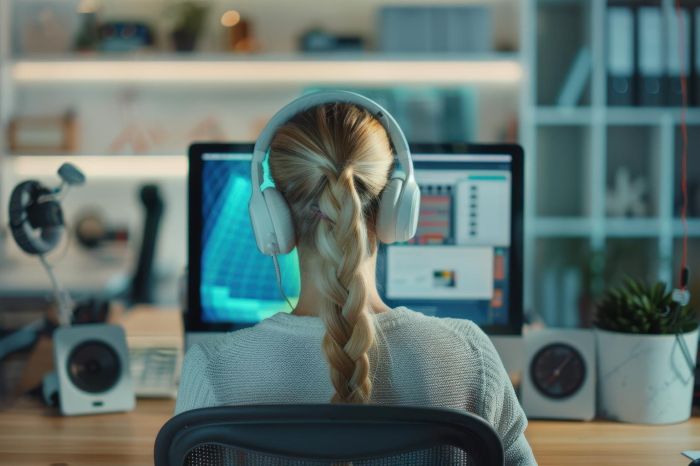
AI can now read your current physical state. If you wear a smartwatch or a fitness ring, it can monitor your heart rate and skin temperature. It can even detect when you’re stressed before you realize it yourself.
The sound AI creates a personalized soundscape in real time, adjusting audio frequencies to help calm you down. As your heart rate decreases, it gradually introduces beta waves to restore your focus. This is dynamic audio. It responds to your body moment by moment. No two tracks are ever the same, because your body is never in exactly the same state twice.
Physical Alternatives to Sound AI
While digital tools offer powerful ways to focus the mind, many professionals find that physical instruments provide a more grounded experience. Calibrated tuning forks are a prime example of a non-digital way to use neural entrainment. These metal tools are made to vibrate at exact hertz levels to help the body find its natural balance.
How Tuning Forks Are Used
Tuning fork usage is a straightforward and very hands-on activity:
- You first lightly hit the fork against a soft surface to start the vibration.
- You can rest the base of the fork on certain areas of your body, like your wrists or chest, once it is humming, if it is a weighted tuning fork.
- To promote relaxation of your nervous system, the vibration passes through your bones and skin.
- In the case you are using an unweighted tuning fork, you can also hold the fork close to your ears so the constant sound waves may direct your brain into a state of intense focus.
Benefits for Workplace Focus
Physical tools like these offer several benefits for a busy office or home workspace:
- Instant Stress Relief: The physical feeling of the vibration can quickly lower your heart rate during a stressful day.
- No Screen Time Required: Using a fork allows you to take a mental break without looking at another digital application.
- Portability: You can easily keep a small fork in your desk drawer or bag for focus whenever you need it.
- Precision Performance: High-quality tools from brands like Pure Frequencies, which offer all tuning forks with frequency accurate within 0.5%, ensure that you are getting the exact vibration needed for neural entrainment.
Adding these physical tools to your routine can turn a simple metal object into a powerful engine for your mind. They serve as a perfect partner to AI soundscapes by giving you a tactile way to control your mental state.
Understanding Neural Entrainment
Your brain produces electrical pulses all the time. These tiny pulses create brain waves. When you hear a steady rhythmic sound, your brain naturally wants to match that rhythm. This biological matching process is called neural entrainment. It is a proven biological response.
By playing specific rhythmic tones or using calibrated tuning forks, we can gently guide the brain into states of deep concentration or deep relaxation. It is like giving your mind a pace car to follow on a busy highway.
| Brain Wave State | Target Frequency Range | Best Executive Use Case |
| Alpha Waves | 8 to 12 Hertz | Light focus and creative brainstorming |
| Beta Waves | 13 to 30 Hertz | Deep work and complex financial modeling |
| Theta Waves | 4 to 7 Hertz | Rapid stress relief between tough meetings |
| Gamma Waves | 30 plus Hertz | Peak cognitive performance and active learning |
The Real-World Return on Investment
Business leaders care about results and team efficiency. Investing in cognitive audio tools brings very clear benefits to any enterprise team. The return on investment is simple to track and measure.
- Massive Error Reduction: Focused workers make far fewer mistakes on complex documents. This saves valuable time and company money.
- Faster Project Output: Entering a deep work state allows people to finish hard tasks in half the usual time.
- Lower Employee Burnout: Regular sound therapy reduces daily stress hormones. Happy and relaxed workers stay with their company much longer.
- Better Strategic Meetings: Short audio sessions before big meetings can center the entire executive team. This leads to much clearer corporate decisions.
- Enhanced Skill Learning: Gamma wave audio helps new hires absorb complicated training material much faster.
Overcoming Initial Corporate Skepticism
Many corporate leaders might view sound therapy as a strange concept. They might think it belongs in a weekend spa rather than a corporate boardroom. However, the data proves otherwise.
Major tech companies are already adopting dynamic audio tools to give their developers a measurable edge. When you look at the science of brainwaves, it becomes clear that this isn’t magic, it’s human biology. You’re simply optimizing the environment for how the brain functions. Just as you invest in ergonomic chairs to support the spine, it makes sense to invest in cognitive audio to support the mind.
Steps to Implement Advanced Sound AI Today
You do not need to build an entirely new tech stack to start using these modern tools.
You can test them with your team right now with very little upfront cost.
- Start With a Small Group: Give a pilot group of workers access to an AI audio application.
- Track the Real Results: Ask them to rate their focus and stress levels over two solid weeks.
- Upgrade Office Equipment: Ensure everyone has decent over-ear headphones or tuning forks to get the full audio effect.
- Set Clear Boundaries: Encourage workers to block out one full hour of deep work each day using the audio tools.
- Review the Data: Look at the changes in project delivery speed and overall team mood at the end of the month.
The Future of Enterprise Productivity
The modern workday is full of constant noise and distractions. We may not be able to remove them completely, but we can give our brains better ways to deal with them.
With artificial intelligence and brain-based sound technology, sound AI becomes a powerful tool for focus and performance. It’s time to move beyond simple playlists and basic background noise. The future of productivity lies in smart, adaptive sound. Give your team the right audio support, and you’ll see your company perform better.