US retail has never been a slow business, but the tempo now feels different. Customers move from search to checkout to pickup with little patience for gaps, excuses, or systems that do not talk to each other. If a product is shown as available, they expect it to be there. They become aware if a payment takes too long.
With the correct tools, you can maintain profits, make clearer judgments, and give clients fewer reasons to leave. Automation, cloud platforms, integrated commerce, secure payments, and artificial intelligence are no longer side projects.
Key Takeaways
- US retail is rapidly evolving; customers expect seamless experiences from search to checkout.
- AI enhances retail by improving demand forecasting, personalization, and customer service efficiency.
- Unified commerce integrates ecommerce, store systems, and loyalty platforms for a cohesive customer experience.
- Automation reduces busywork, allowing staff to focus on valuable tasks while ensuring accurate inventory and responsive pricing.
- Cloud analytics provides real-time insights, helping retailers make informed decisions under pressure.
Table of contents
Artificial Intelligence Is Making US Retail Decisions Less Guessy
Artificial intelligence might be useful in the retail sector when it lets you see around corners. You still need judgment, retail expertise, and people who understand customers, but AI gives you a better read on patterns that are simple to miss.
It can filter through sales data, browsing behavior, weather, promotions, and local demand faster than any staff utilizing spreadsheets alone.
Demand Forecasting With A Wider Lens
Demand used to be forecast mostly by looking backward and adjusting for the season. That still matters, but retail does not always behave neatly. Demand might shift before a weekly report catches up due to a sudden cold front, a viral product mention, a local event, or a competitor’s marketing.
- You may change inventory, modify orders, or reconsider a promotion thanks to AI’s ability to identify signals earlier.
Personalization That Feels Useful
Good customization should feel like a well-considered suggestion. When client data is handled properly, you may propose products, schedule promotions, and create loyalty messages with sincere intent.
Service Tools That Save Time
Retail service teams answer plenty of questions that are simple but time-consuming. Order status, return policies, delivery schedules, product availability, and loyalty concerns can quickly clog the line.
First-line queries can be handled by AI assistants, while messy ones can be forwarded to a human with context already attached. Customers don’t want to hear the same tale three times—that handoff is important.
Unified Commerce Is Closing The Gaps Customers Hate
Customers do not care whether your ecommerce system, store system, or loyalty platform owns the answer. They just want the answer to be right. A shopper may browse on a phone, check inventory online, buy from a laptop, and return the item in a store two days later.
Unified commerce, supported by tools such as point-of-sale systems by Sante in specialty retail, ties those moments together, so your business feels like one retailer instead of five systems wearing the same logo.
One Customer View Across Channels
Instead of having disparate chapters, a single customer view tells you the whole tale. You may see how a customer shops, what they return, the deals they take advantage of, and the locations of any service problems. Without that perspective, the client feels the seams, and your staff is left in the dark.
A cohesive profile serves as the anchor for many companies, preventing store and digital strategies from diverging.
Stores Doing More Than Selling
The store has picked up a bigger job description. It is still a place to sell products, but it is also a pickup counter, returns desk, local fulfillment point, service hub, and brand showroom. That only works when inventory is accurate, and employees have tools that make the next step obvious.
Mobile As The First Door
For many customers, your front door is no longer made of glass. It is a phone screen. They compare prices, read reviews, check sizes, scan coupons, and decide whether a store visit is worth the trip before they leave home. If your mobile experience is slow, cluttered, or vague, you may lose the sale before anyone reaches the parking lot.
Automation Is Taking the Busywork Out of US Retail
Automation gets misunderstood when it is framed only as a labor story. The stronger case is productivity. Retail employees spend too much time on necessary tasks that are not even valuable to the customer.
- When automation handles counts, alerts, price updates, scheduling inputs, and routine reporting, your team can spend more time solving problems that actually need a person.
Inventory Accuracy Where It Counts
Accurate inventory is one of the areas where money seeps covertly, but it’s not glamorous. The client doesn’t give a damn if the system indicates that an item is in stock, but no one can locate it. The discrepancy between recorded inventory and shelf reality is reduced with the use of RFID, smart shelves, computer vision, and automated cycle counts. Retail execution platforms such as GoSpotCheck by FORM are helping brands bring greater accuracy and visibility to in-store operations through real-time data and image recognition.
Scheduling That Follows The Crowd
Weather, promotions, local events, sales projections, and staff availability may all be taken into consideration by workforce tools. This keeps you from having too few people on the floor when the queue begins to wind around the aisle and too many when it is calm.
- Improved scheduling increases staff predictability, which is important when employee retention is already challenging.
Pricing Changes Without The Chaos
Pricing has become a moving target, even when competitors can adjust offers in minutes. Automation helps you manage markdowns, promotional rules, ecommerce updates, and digital shelf labels with fewer mistakes.
The goal is not to chase every discount until margins are dust. It is to move carefully, move quickly, and keep the customer from seeing three different prices for the same product.
Payments And Security Are Quietly Shaping Loyalty
A fast, clean payment experience can make the whole trip feel smoother, while a confusing one can sour even a good purchase. As more shopping moves between stores, apps, websites, and wallets, payment technology and security have become part of the trust customers place in you.
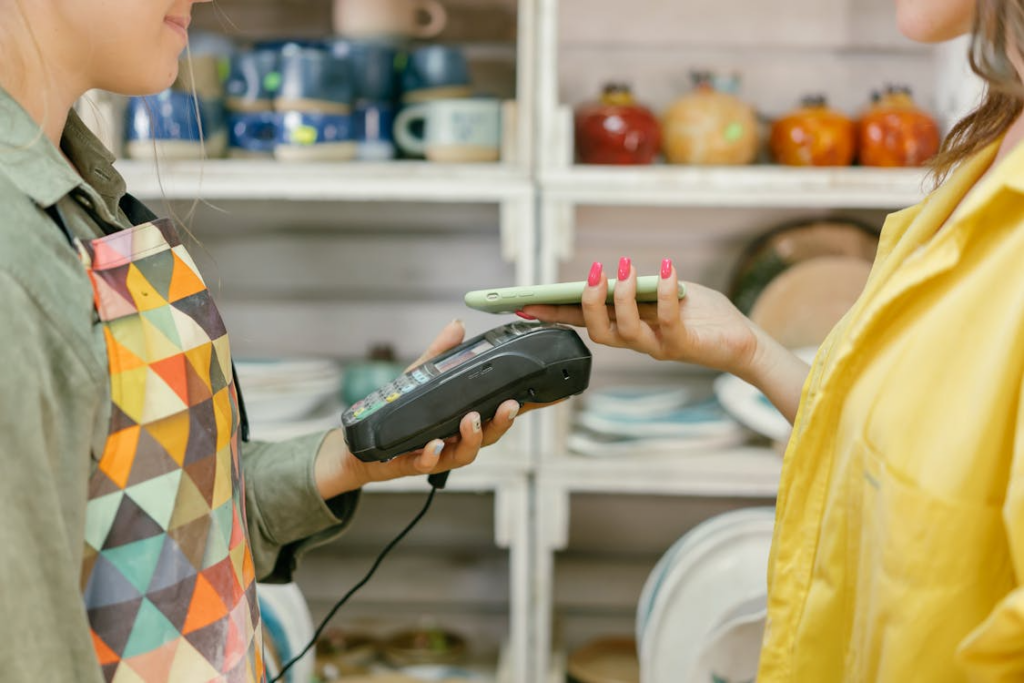
Contactless cards, mobile wallets, stored payment details, QR codes, and in-app checkout all reduce the number of steps between intent and purchase. Customers may not praise you when payment works perfectly, but they remember when it does not.
Fraud Tools That Do Not Punish Good Customers
Account takeovers, return abuse, loyalty fraud, gift card schemes, and suspicious ecommerce activity can hit quickly and at scale. Machine learning tools help detect unusual patterns before losses pile up. The tricky part is stopping the bad actor without making your best customers feel like suspects.
Data Practices That Earn Confidence
Strong access restrictions, reasonable customization, unambiguous permission, and straightforward privacy policies are all important. When the value of the transaction seems equitable, people are more inclined to divulge information. If you handle that data improperly, trust will be lost more quickly than it can be restored by a promotion.
Cloud Analytics Is Helping Retailers Move Faster
A lengthy internal project might result from a new promotion, integration, shop format, or reporting requirement. With cloud platforms, you can expand services, connect tools, and increase capacity without having to start from scratch each time.
Dashboards That Lead To Action
A useful dashboard should do more than look impressive in a meeting. It must help someone make a better decision. Store managers must promptly and effectively view sales, traffic, labor, returns, inventory, and customer complaints in order to take appropriate action.
- When dashboards can differentiate between signal and noise, they become helpful tools rather than simply another screen to ignore.
Supply Chain Visibility When Pressure Hits
Problems with the supply chain are quickly discovered. Bare shelves and broken promises might result from a delayed supply, a shoddy vendor, or a packed warehouse. You can monitor fulfillment exceptions, demand fluctuations, vendor performance, and delays in one location using cloud-based supply chain solutions.
Infrastructure Built For Retail Spikes
Systems can be abruptly tested by holidays, storms, flash sales, influencer mentions, and loyalty programs. Your applications, registers, inventory tools, and fulfillment procedures can withstand spikes in demand thanks to scalable infrastructure.
Conclusion
The technological innovations influencing contemporary US retail are significant because they address issues that consumers encounter on a daily basis. They assist you in maintaining product availability, cutting down on delays, customizing without going overboard, safeguarding transactions, and providing personnel with improved tools.
Connected systems, clear data, useful automation, safe payments, and leaders who understand how technology can reduce friction are all necessary. Customers see the difference when those components come together, even if they are never able to see the tools used.