Picture a shopper scrolling through a product page, pausing on an item they’ve been considering for weeks. In that exact moment, the ad they see can determine whether they finally buy it. That real‑time influence is the power of retail media, yet many marketers are still unsure what it includes or how to start using it.
This guide breaks everything down in a straightforward way so you can move from curiosity to confident action. You’ll learn the channels, strategies, and tools that make retail media a high‑impact part of today’s marketing mix.
Key Takeaways
- Retail media influences shopping decisions through targeted ads across onsite, offsite, and in-store placements.
- Building a strong retail media foundation requires planning and clear goals, such as driving awareness or direct sales.
- Audience strategy is crucial; it connects customer insights with retailer data to effectively reach high-intent shoppers.
- Creativity and adaptability in assets are essential for various formats, while measurement focuses on relevant metrics aligned with goals.
- Retail media works best as an integrated system, combining data, creative, and measurement for effective campaigns.
Table of contents
Understanding Retail Media Today
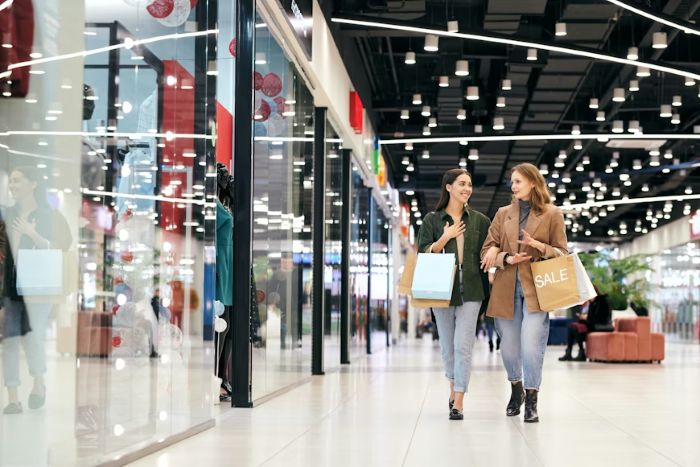
Retail media has evolved into a full marketing engine used by brands of all sizes. It brings together retailer data, digital placements, and measurable outcomes in a way few other channels can match. Because retailers know exactly what shoppers browse and buy, the ad opportunities they offer tend to be highly targeted and efficient.
Onsite, Offsite, and In‑Store
Onsite placements show up on a retailer’s website or app, usually in the form of sponsored products or display ads. These formats sit closest to the point of purchase and often deliver the most immediate conversions.
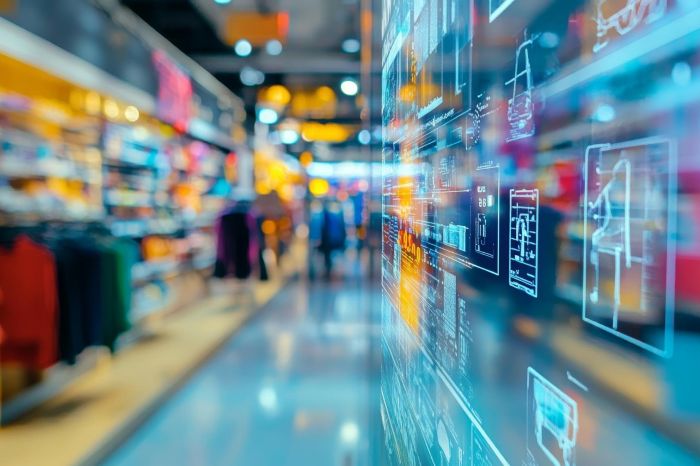
Offsite placements let you use retailer audience data beyond the retailer’s own platforms, extending your message into programmatic, social, or CTV. In‑store screens bring digital messaging into physical aisles, engaging shoppers as they move toward a purchase.
How to Build a Strong Retail Media Foundation
Many beginners jump straight into campaigns without a plan. A simple structure helps you avoid wasted spend and sets your brand up for clearer measurement.
Start by deciding what you want retail media to accomplish. Some advertisers focus on scalable awareness, while others want to drive direct sales of specific SKUs.
Before you move deeper into strategy, here are a few essentials to keep in mind.
- Match audiences with retailer data
- Choose the SKUs that matter most
- Prepare creative for multiple formats
Audience Strategy and Data
Audience matching is often the most valuable part of retail media. It lets you connect your customer insights with retailer data to find high‑intent shoppers.
When extending campaigns offsite, brands sometimes work with partners like the digital marketing company Q1 Media to activate targeted segments more efficiently across the open web. This approach strengthens the connection between upper‑funnel discovery and lower‑funnel performance.
Creative, SKUs, and Measurement Basics
Creativity is more important than many marketers expect. Because retail media includes a mix of search formats, banners, and in‑store screens, your assets must adapt to very different environments. Develop clear product images and videos that communicate value quickly, especially for placements that appear near checkouts or product detail pages.
Measurement can feel overwhelming at first, but the key is choosing metrics that align with your goals. If you want to drive incremental sales, look at the lift in conversions tied to ad exposure.
If your goal is awareness, focus on reach and engagement across channels. Unified measurement is challenging because networks operate as walled gardens, but consistency in reporting helps bring your insights together.
Here are a few areas worth monitoring.
- Conversion lift across your priority SKUs
- Engagement rates on onsite and offsite formats
- How do your creatives perform across environments
Bringing Your Retail Media Strategy to Life
Retail media works best when brands treat it as an integrated system rather than a collection of isolated placements. Onsite formats capture intent, off-site formats expand reach, and in‑store screens influence shoppers in real time. When these elements work together, you get a complete funnel that guides customers from discovery to purchase with less waste and more clarity.
A thoughtful combination of data, creative, and measurement can turn retail media into a reliable part of your marketing mix. Brands that invest in planning early usually see faster wins and more accurate performance over time. If you’re ready to explore deeper strategies or expand beyond your starting point, consider how partners like Q1 Media can support your activation needs.
Why Retail Media Matters More Than Ever
Retail media gives you a direct path to shoppers who are actively making decisions, and understanding how to use it can elevate your entire marketing approach. If you’re ready to refine your strategy or explore new ways to reach high‑intent customers, now is a great time to take the next step.
Consider how partners like Q1 Media can support your efforts and help bring your plans to life. Your retail media strategy grows stronger each time you test, learn, and stay engaged with what works.