
Open Clash Royale tonight, and the offer you see isn’t the one your roommate sees. The store layout, the price points, even the matchmaking that funnels you toward your next chest are all running through machine learning models trained on your last six months of behavior. The shift happened gradually, and most players never noticed in the evolution of mobile game monetization.
Key Takeaways
- Mobile games now use machine learning to personalize in-app purchases, matchmaking, and pricing, tailoring offers to individual player behavior.
- The shift from generic monetization strategies to AI-driven approaches occurred after iOS 14.5, which impacted ad targeting and costs.
- Players often don’t realize matchmaking serves a monetization purpose, as algorithms adjust offers based on player data to drive revenue.
- Dynamic pricing mechanisms allow for personalized offers, creating an auction-like experience in what appears to be a static pricing model.
- Future mobile games will integrate AI in game design, influencing everything from in-game offers to LiveOps event management.
Table of contents
The Death of Generic In-App Purchases in Mobile Game Monetization
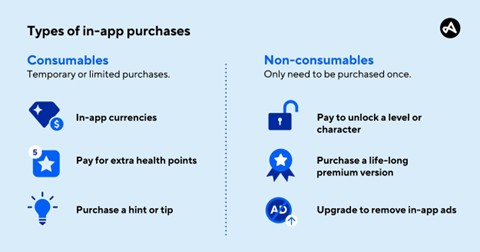
The old playbook for mobile app monetization was simple. Show every player the same gem pack. Run the same sale every Friday. Track ARPU and ARPDAU on a spreadsheet. That model worked when ad targeting was cheap and acquisition costs were lower than the long-term value of an installed user.
iOS 14.5 broke that math overnight. The introduction of App Tracking Transparency gutted IDFA-based targeting, and SKAN signals returned a fraction of the fidelity studios had relied on for almost a decade. Cost per install on iOS rose by 20 to 30 percent across the industry, and, as Konvoy’s analysis of mobile gaming post-IDFA laid out, first-party player data became a structural competitive advantage rather than a footnote in the data warehouse.
The studios that adapted built monetization optimization into the game’s runtime. The ones that didn’t watch their ROI collapse as user data dried up , accelerating changes in mobile game monetization.
Matchmaking Became a Monetization Lever
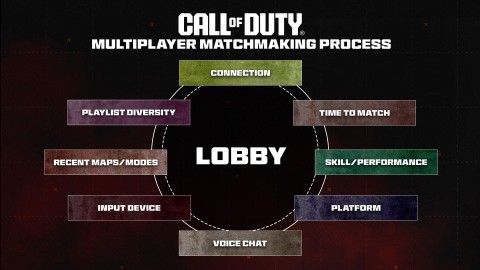
Most players still think matchmaking is about fairness. It isn’t, at least not entirely. In modern competitive titles, the matchmaking algorithm is a quiet revenue engine.
Clash Royale was one of the earliest documented case studies. Supercell’s monetization team has openly described how the studio uses machine learning to automate monetization in Clash Royale, feeding card ownership, upgrade proximity, and purchase frequency into models that decide which offers each player sees and when.
The result: micro-victories at exactly the cadence that keeps you queuing for the next match, and frustrating walls right before the in-game store gets surfaced. Mobile Legends pushes this further with rank-protection mechanics that nudge stalled players toward starter packs and rank-up bundles.
Once rank brackets gate cosmetics, events, and competitive entry, the account itself becomes the product. That dynamic is why the secondary market for mobile gaming accounts has matured so fast. Players who don’t want to grind through bronze and silver shortcut the climb by picking up a pre-leveled Clash of Clans account at the Town Hall or league tier they want to compete at, then jump straight into the content the algorithm has been designed to monetize.
Dynamic Pricing, Personalized Down to the Player
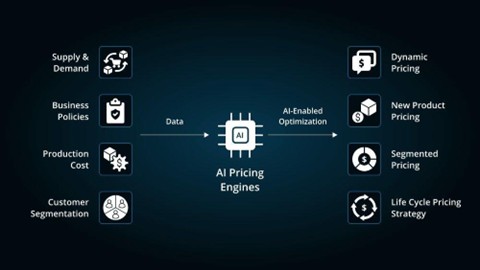
Static IAP pricing is going extinct in casual games and mid-core alike. AI-driven game economies now adjust offer composition, timing, and price based on a single player’s behavior history, reshaping mobile game monetization at the player level.
If you’ve ever noticed that the gem pack you nearly bought yesterday quietly reappeared today at a different ratio, that wasn’t a coincidence. Models trained on cohort-level conversion rates decide which SKU to surface, when, and at what discount. The result is a pricing model that looks like a static menu but behaves like an auction.
Industry researchers at Adapty’s monetization analysis have tracked the shift across the top-grossing games. The studios with the strongest revenue growth aren’t running the deepest discounts. They’re running the most precise ones. AI predictive models can now estimate a player’s Day-180 LTV from just three days of in-game behavior, which means the personalization layer is making real money decisions before a player even knows they’re a paying user.
| Monetization Lever | Traditional Approach | AI-Driven Approach |
| In-game offers | Same SKU for every player | Personalized by cohort and session context |
| Matchmaking | ELO-based fairness | LTV-aware, retention-tuned bracketing |
| Pricing | Static price points | Dynamic, behavior-tuned in real time |
| Segmentation | Whale, dolphin, minnow | Thirty-plus behavioral clusters |
| Churn response | Reactive email blast | Predictive offer surfaced pre-uninstall |
| Ad creative | Manual A/B test cycles | Automated generation and live cohort testing |
Segmentation That Goes Past Whales and Minnows
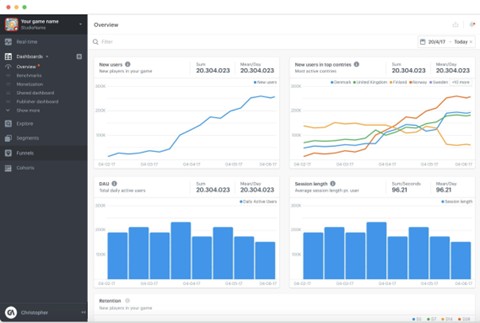
For years, mobile game monetization carved the player base into three cartoon labels: whales, dolphins, and minnows. AI broke that taxonomy apart.
Modern segmentation uses behavioral clustering across dozens of signals, including session length, social graph, churn risk, content preferences, and friction points. A player who spends $5 a month but logs in daily and recruits five clanmates is not the same asset as a player who spends $5 a month, plays alone, and is two sessions away from uninstalling. Traditional monetization treated them identically. AI doesn’t.
Predictive churn models flag the second player and serve them a retention offer. The first gets clan-specific cosmetics. The economics shift accordingly, with studios reporting LTV uplift in the 15-30% range when behavioral segmentation pipelines replace coarse spend tiers.
LiveOps Automation Is the New Game Design
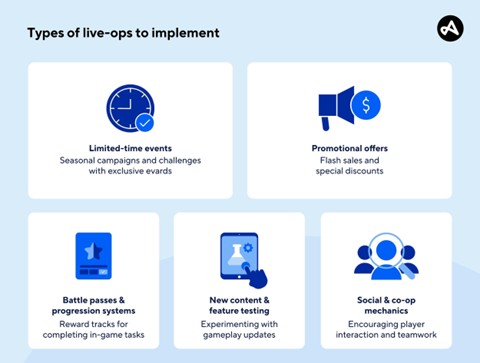
Running a live mobile game in 2026 means running an automated content factory. Event cadence, balance patches, in-game offers, and seasonal arcs are no longer hand-tuned by a small ops team. They’re orchestrated by ML systems that monitor retention curves and adjust in near real time.
When Mobile Legends rolls out an event, the underlying personalization layer decides which heroes are spotlighted for which players based on individual playstyle data. Gamesforum’s 2026 mobile game predictions call out predictive LTV, dynamic difficulty, real-time pricing, and economy balancing as the LiveOps capabilities now considered table stakes. The events feel organic. The targeting isn’t.
Hypercasual studios go even further. With margins thin and ad revenue making up most of the pie, automation across creative testing, UA bidding, and post-install behavior is the difference between a profitable launch and a write-off. AI-powered creative variation tools generate hundreds of ad variants overnight, with the winners surfacing through automated cohort testing before a marketing manager even reads the morning report.
Where the Next Wave Is Already Pointing
The next wave is already visible in the pipeline. Generative models for in-game offer copy, AI-tuned LiveOps event design, and reinforcement-learning agents that dynamically price and place every store item. Studios that treat AI as a marketing layer will get outpaced by the ones that bake it into game design itself. The mobile games that win the rest of this decade won’t be the ones with the best art or the loudest UA campaigns. They’ll be the ones whose monetization engine learns faster than the player, defining the future of mobile game monetization.