

Mary Elizabeth Elkordy Podcast Transcript
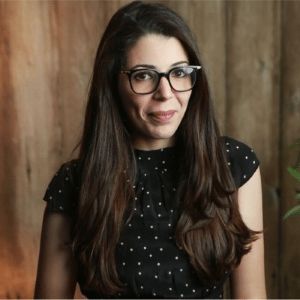
Mary Elizabeth Elkordy joins host Brian Thomas on The Digital Executive Podcast.
Brian Thomas: Welcome to The Digital Executive. Today’s guest is Mary Elizabeth Elkordy. Mary Elizabeth Elkordy is an award-winning communication strategist, entrepreneur, political advisor, media producer, and public speaker whose unconventional career spans government, broadcasting, public relations, political campaigns, and business leadership.
From working on Capitol Hill to producing national radio and television programs, advising political candidates, and building her own company, she has developed a unique perspective on leadership, storytelling, entrepreneurship, and the common challenges facing organizations of all sizes. As founder and president of Elkordy Global Strategies, Mary launched her boutique public relations and communications firm during the COVID-19 pandemic in 2020, and has since grown it into a fully remote agency serving clients nationally and internationally.
Well, good afternoon, Mary. Welcome to the show.
Mary Elizabeth Elkordy: Thank you for having me, Brian. I’m happy to be here.
Brian Thomas: Absolutely, my friend. I appreciate it. Been really anticipating this podcast because you’re just such a big player in the PR space. You do some great things, and we’ll talk about your story here in a second, and thank you for making the time.
You’re in New York, I’m in Kansas City. A lot of times traversing time zones is difficult, so again, I appreciate that. So Mary, jumping right in, your career is anything but linear. You started on Capitol Hill, worked on a presidential campaign, produced national radio and TV programs, became the city and state’s youngest ever 40 Under 40 honoree at 24, and then launched your own PR firm during the pandemic in 2020.
Walk us through that path quickly. How did bouncing between government broadcasting and public relations ultimately lead you to build Elkordy Global Strategies?
Mary Elizabeth Elkordy: I truly feel like it’s a building journey. They’re all not really that different in some ways, right? Like, I remember when I was in my young 20s, it was really hard to be able to, like, land some of the big, big, big jobs because some people just saw my career and they saw three distinct paths.
And they’re like, “We love you, but, like, we want someone who’s solely just does this or solely has experience in X.” And I think what I’ve learned of what I’ve been doing over the past 20-plus years is my focus is get- dealing with content and making people care. Getting someone to activate, getting someone to vote, getting someone to open a pitch, to interview someone, getting someone when they listen to someone on TV to care, right?
And I think that’s something that has been a large part of my story, is learning how to do that from a long, long game. I started in politics. I was a definitely, like, a political nerd. The goal was to be president someday, White House press secretary. And I think you grow up and you have these big goals and big aspirations and you have your family saying, like, “Oh, you can do that.
Like, that’s your path.” And I I grew up in a construction company. My family has a four-generation business. The only place I was allowed to make money was in the family business. If I wanted to work anywhere else, it was interning, so I interned quite a bit. I did about 10 internships. I started in local government with New York City Council and Public Advocate’s office, moved into congressional, Senate, presidential races.
And then, when I was in college, I had the opportunity to move into radio. I got a bunch of really well-known internships, and I had to make a decision, and some of them I think people would think I’m crazy for passing up on. But for me, I think after doing a s- a handful at that point in my life, I was looking for things where I could take tangible skills and be able to say, like, “I know this person for a long period of time than I just met a lot of people for, like, one week at a time.”
So I worked at a radio station in New York called WABC. It’s the number one talk radio station in the country. I started producing there. I was an intern. I remember I had this one night where someone didn’t wanna come into work for a hurricane. And I, I already was gonna be there because I knew the program dir- director was gonna be there.
I knew that the people that made decisions for the station that would normally not care about a 20-year-old intern like me were gonna be there. And so the producer didn’t show up, and I booked back-to-back coverage 24 hours at a time for a week, sleeping on the floor, booking guests with no breaks. I had no contacts.
I just figured it out. And after that, I got hired part-time. They had some downsizing at the radio station, and they brought in Geraldo. Geraldo became my new mentor and I started producing his show. The first year, I didn’t think he thought I did a good job until I messed up one day, ’cause I used to produce both the New York and LA show, and I remember there was, like, a ding that happened on my computer during the show, and he’s like, “95% of the time, Mary, you make me sound, great, and then 5% you make me sound like an amateur.”
And, like, I remember I went to the bathroom and I got upset, like any 20-year-old, 21-year-old might, ’cause you don’t wanna disappoint anybody. And I’m like, “Wait. He said 95%. That’s an A. Okay, I’m doing okay.” And, like, that, that was the first time I thought he actually saw that I was doing a good job.
And I think working in radio, as you’re probably learning, working in podcasts, it’s a grind. It’s a very intimate setting. It’s you and your producer, if you have a producer and, I used to produce four shows a day.
Brian Thomas: Mary, that’s amazing. Obviously, you had to cut your own path.
You worked at your family’s business, and the only thing you could do was do the business, right? So you went out on your own, and I think cutting your own path is, is inspiring, and you just did so much in so little time at your age. It’s just amazing, and, and I can see why you’re so successful. So Mary, let’s move to the next question here.
You started your company in the middle of a global pandemic and built it into a fully remote agency that’s now served more than 800 clients with only a distributed team of 18 plus, which is still pretty big. Most people wouldn’t dream of launching a business in that chaos. What gave you the conviction to start there, and what did building through that uncertainty teach you that you couldn’t have learned otherwise?
Mary Elizabeth Elkordy: Yeah, so like many people, when I started the, started my business was during the heat of the pandemic, right? There was a lot of uncertainty. No one was, had an idea of what was going on. I got laid off like a lot of people in this country ’cause the firm I worked with focused on, like, events, PR specifically, crisis, entertainment.
And so when there’s no events, there’s less need for me. And so I remember, like, again, any human, I got a little emotional when I lost my job. But then I’m like, “Wait, I have a bunch of people that wanna work with me.” And, bucket, let’s go. So I started with eight clients, and then it really quickly grew.
And I think one of the things that was interesting about the pandemic is so many people did cuts, but they still needed PR, so if they had bigger firms, they were then down- kind of downsizing to me or taking a chance on me. And then I, quickly needed help ’cause I was working crazy hours. Because when you have the momentum, you don’t wanna lose momentum, of course.
But I definitely think, being a business owner the same year, my business opened, I had a bunch of, like, crazy personal things happening in my life. For instance, my mother passed away from COVID. And learning how to deal with, like, something and as crazy as that, and that was so unexpected ’cause she pa- passed away very suddenly, and while having to still show up every day.
I didn’t get to take grief. I didn’t get to take time off ’cause, like, clients, like, while some are empathetic, not all are. They want their tasks done. They wanna be out there. They’re paying for a service. Your name’s on the door. And it doesn’t… and you learn that very quickly that that is the case.
And so I think it builds a lot of resiliency. I think I’ve become a lot tougher since I became a business owner. I’m a relatively nice person, I’d like to think. But I think when you become a business owner, there’s a lot of… i’m someone who’s, like, very friendly and wants to be friends with everyone, but I think you learn that you have to be boss first, friend second, and I think that’s a tough thing to learn.
I’ve never fired anyone in my life. I never did any of that beforehand. I was never the decision-maker for those moments, and I think when you’re trying to cultivate the right team and hire the right people, it’s a lot about dealing with people and personalities. I say half my job is being a therapist, not just to the clients, but to my team.
And so that’s something I think I’ve also learned a lot since I’ve started my company as well, is really how to really navigate both sides
Brian Thomas: That’s amazing. Talk about resilience there. In the middle of the pandemic, losing your mother, and I’m very sorry to hear that, but you’ve, you had to juggle everything, and you’re right, clients are demanding.
They- you just can’t take a break or take a sick day. I, I get that. It just shows, again, your resiliency in this business, but especially during a global pandemic, which was just very, very difficult. So thank you. Mary, one of your biggest observations is that after working with startup founders, Fortune 400 executives, elected officials, and celebrities, the challenges are remarkably similar: managing reputation, building trust, communicating a vision, standing out.
What’s the m- single most universal communications challenge that you see across all of them, regardless of the size or the industry?
Mary Elizabeth Elkordy: I think, I used to be a head of PR for a nurses association. I’ve worked with Fortune 500 companies. I’ve worked with people who are trying to build the next great thing, and I think that there is something that they have in all, all in common.
And especially when you’re in it, and you’re living and breathing what you do, you think you… Everything you do is amazing. Every part of your story is amazing. But I think it’s like how do you take that and make it relevant, and how do you take that and make someone care? And I remember I once had this, this white page paper that was like 300 pages at this association I worked with, and there was like two sentences that I thought I could pitch that would actually get them the media they wanted, and that was hard to tell them, right?
Like, ’cause they put a lot of care into that. They very much think that that’s like the next best thing. But that one sentence got them 25 hits, right? And, it’s about getting in the room. So I would say half of the challenge… So many people focus on, like, the placement, and I think about the placement a lot.
Obviously, it’s what the client wants. But I think about what it takes to get to the placement, and usually the first step isn’t the placement. It’s just getting in the room where it happens, right? Like, being relevant enough that someone opens the email, and they read it, and they want it. And I also think when we work with so many entrepreneurs, like, again, you live and you breathe it.
Your blood, sweat, and tears goes… And especially as a company that works with so many startups, your blood, sweat, and tears are really in it. I think with that in mind, you know, you’ll see some people who raise, like, 2 million, 3 million, and for them, that’s amazing. For me, that would be amazing if that happened to me, right?
But to a Wall Street Journal reporter, they probably hear that pretty often, right? If they cover that area. And to them, this then… If, if it’s, if the 2 to 3 million isn’t convincing enough, right? It’s really the why behind the story. What are you doing? How are you changing this industry? What are you bringing to the table?
And so I think that, I think visibility gets you noticed obviously, and making sure that we’re building credibility for people to listen to you. So obviously people see their friends and their peers get on, like, TechCrunch and VentureBeat and Forbes and all that stuff. And I, you know, I always say we have to build your media resume.
Like, if you’ve never done media, right? A lot of people haven’t heard of you. Even if, like, your peers have heard of you, reporters haven’t, producers haven’t. You haven’t taken the time to build those creds, which is totally fine, but there are ways to do it where you can start bui- building media credibility.
And I had a client recently where I think the first coup- you know, first three months, it took some time to get those top tiers, like, consistently. Where we’re seeing it, like, almost every week. And now that he’s seeing, like, two, three in a week on a consistent basis, I think now he gets it. But sometimes it takes someone a moment to get it, and there’s a patience involved with it.
It’s a lot like SEO where you need time to see the results, but there’s, like, so many different stats with SEOs. With earned media, it’s a little bit different because it’s like- Intrinsic, right? It’s not something that I can tell you for sure, in two months you will get X or, like, the exact ROI every single time.
But I think building brand credibility and, and AI search has made it so much more relevant where people now learn that it’s not just, like, about getting backlinks. It’s about the credibility that, that you’re bui- building, the story that you’re sharing, and how people respond to that.
Brian Thomas: It’s amazing. And I know it’s a tough business.
You talked about that a little bit, but building someone’s brand and, and getting trust out there is so important, and you talked about that. Doesn’t matter the industry or the size of the company, but you do a great job of doing that media credibility, as you mentioned, and that’s kind of the thing I took away here, so appreciate that.
And Mary, the last question of the day, if you could briefly share, you sit at the intersection of media and business at the moment when AI, fragmented audiences, and eroding trust are reshaping how narratives spread. As we look five, maybe even 10 years out, where do you see public relations and the broader media landscape heading, and what will separate the organizations and leaders who can genuinely earn attention and trust from those who get drowned out?
Mary Elizabeth Elkordy: Well, I think we’re in a really interesting intersection right now, and this is coming as someone who works in PR and also actively still produces a news show and a business podcast, like, on the daily, right? I think that, we’re… There’s a lot of things you can’t ignore. AI is happening whether you like it or not, and in many ways, it is a positive in terms of building brand visibility because people use it and now rely on it so much for suggestions and recommendations, but then you also have the fears of it being misused, and it…
people posting things that are false and misinformation, and, like, not everyone’s gonna do their research when they see a post on Reddit or they see a post on Instagram or TikTok. And now because there’s so many different platforms, there’s so many different platforms you have to worry about.
Back in the day, it was just TV and radio and print. That’s it. Now, you have so many other layers of, like, content. Like, when you hit a crisis, I’m not just looking at the traditional earned platforms. Like, I’m combing through X. I’m combing through Facebook. I’m, like, putting all the keywords, right? So there’s a lot to it.
I think in the next five to 10 years will be defined by three things primarily: the growing importance of credibility, the fragmentation of audiences, and the need for human connection. And I think AI is making content cheaper, but credibility more valuable, and I think the reason why is because things can b- be so easy to just, like, Goo- like, chat search or cloud search.
I think people are really looking for more, like, authority and leadership driven content where they’re gonna get something that makes them pause and listen, not something that if I ask it to tell me how to talk to my neighbor and say hi, right? Like, I’m looking for, like, real authority and content that will help me feel like I gained a perspective that only someone through experienced eyes can hear, and I think that’s something that’s gonna be really important.
And it’s not just about gaining attention, right? And especially with AI, their… A part of their algorithmic, model is looking through, like, trust, right? Like, people not just back linking you, but, like, what are they saying about you? Is it something that is positive? Is it something where someone’s recommending you?
So like e-commerce clients, for instance. You’re seeing like a big uptick in people wanting more earned media for e-commerce because they wanna be seen as like if they’re looking for, a certain type of product, that their product’s gonna be verified as like the best one to go through through AI search, right?
And there’s a credibility that it’s now giving people, and where earned media is doing a better job of that than others. But then you’re also seeing this flip side in the e- earned media in the, in the news industry of, reporters getting place- replaced to an extent with AI, but then at the same time, clients want more earned media because of AI, and then you have this friction of like less people to pitch and more people want it at the same time.
And we’re at that inflection point, and I think that’s going to settle a little bit more. But that’s something that we are also facing, and challenges I think that will be happening over the next few years. And now I also think and believe we’re moving from just like a media relations industry to a strateg- strategic communications industry, and I’ve been experienced that, experiencing that a lot over the past two years.
Oftentimes I get hired for comms, and I end up doing a lot more, like I become a senior advisor. I’m the person who’s helping to dictate their social media strategy. I’m helping to identify partnerships. I’m helping to like think through business strategy as a comms professional, right? Like that was not traditionally if someone hired me for PR, was that something that I thought would be in my pathway.
Now mind you, I have a unique background. I have my MBA. I went to London for diplomacy. I did a bunch of things, but still, not every single instance of where people are trying to leverage my comms knowledge is now being stretched to other areas that I think were traditionally not, and I think that’s how you also stay competitive, right?
As someone who’s worked with 800 businesses, I now advise businesses on business strategy. With or without my MBA, that would be happening, right? Because they want someone that can talk to investors and that can speak… help them get prepared for their presentations and for their Series A talks, and be able to communicate in a way that if they, if a reporter did pick it up or if someone did clip it and put it online, that they’re okay, right?
‘Cause it’s not just about something placing in a news article. It’s about is someone gonna take a clip of this and post it, right? Is someone gonna record what I’m saying and post it on their podcast without me knowing, right? And that’s something that I think people are living in. Back in the day, you didn’t have to think about those things.
And then I also think that there’s so much focus on automation right now, or I think that there’s this big fear of automating content creation and being able to, a lot of consultants or roles aren’t needed, and that’s where really taking that vendor mentality that so many firms have and promoting, like, “I’m a part of your team, and, like, while my scope says I focus on this, actually, like, you know what?
I have so much other experience, please leverage that. Like, how can… I saw you had a problem with this, let me help.” And I think when we’re thinking about how agencies and just businesses in general can find themselves to be more valuable, it is genuinely through being more than just what you put in a line item, right?
And I think that’s where we’re s- you know, you’re building genuine relationships, and you’re not just doing an automated service. And I think s- product, part of the thing with AI and, like, w- everyone who’s building an AI platform, and every industry is gonna face it, I think one of the things that if you’re building one you have to ask, “Is this something that is a nice to have for a business or a need to have?”
And I think when it becomes a need to have, you integrate it into your every day, your every moment, and whatever that aspect you’re dealing with. But I think there’s also just so much AI that, like, even investors are turned off by the concept of just saying, like, AI this or AI that, like, I’m creating the next AI company.
I think people are looking for things that just, like, moves the needle forward of, like, how is this going to help me in my everyday life? Is this gonna help me, help me make me more money? Is this gonna help me be more credible? Is this gonna help move the objectives of my business or my personal brand forward?
And I think as PR professionals who are really integrated into that conversation at such a high level, where I’m, like, advising companies on these topics all the time, even though technically as a firm, do we do that? No. But is it something that we now do because the market is now just from the experience of talking to clients, kind of it’s like the demand of what people want from us, then I’m more than happy to be flexible and go with that.
But that is something that I think we’re gonna be seeing more and more across the board happening.
Brian Thomas: Thank you. I appreciate that, Mary. A lot to unpack there, but the big thing that I took away, obviously, is that credibility, that trust, the verifiability. You really emphasize those things in this day of A- age of AI, I would say.
AI is being used across every platform. It’s integrated in everything we do, and it’s important that that trust and credibility is always there, and that’s why you always have to have a human in the loop. So I appreciate that. And Mary, it was such a pleasure having you on today, and I look forward to speaking with you real soon.
Mary Elizabeth Elkordy: Thank you for having me.
Brian Thomas: Bye for now.
Mary Elizabeth Elkordy Podcast Transcript. Listen to the audio on the guest’s Podcast Page.