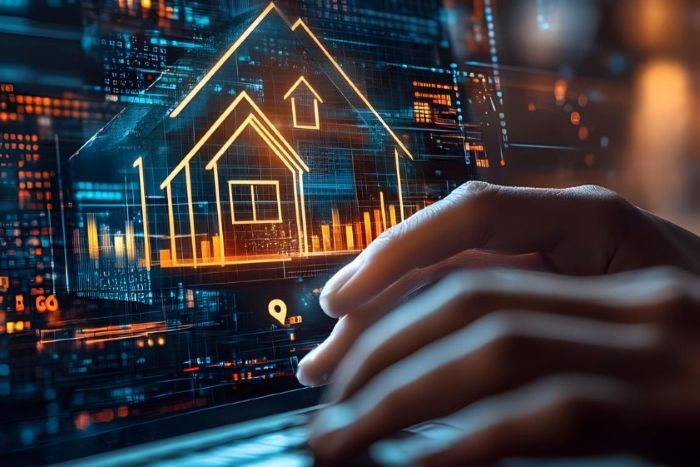
To manage real estate, landlords must struggle to keep up with maintenance requests, payment schedules, and legal compliance. Implementing the right tools and learning a thing or two from the pros at Americana Property Management by Century 21 can affect daily operations. Modern software saves time and reduces stress for owners. Embracing digital upgrades with property management technology keeps tenants satisfied and protects property values. New systems allow real estate teams to handle larger portfolios with fewer administrative hurdles.
Key Takeaways
- Landlords face challenges in managing maintenance, payments, and legal compliance; modern software simplifies these tasks and boosts tenant satisfaction.
- Automated communication platforms improve interactions between tenants and owners, providing updates and quick responses without manual effort.
- Smart noise monitoring devices help manage noise complaints with real-time alerts, preventing legal issues for property owners.
- Comprehensive cloud solutions enhance productivity by allowing remote access to data and streamlining decision-making for property managers.
- Centralized market platforms and online financial systems automate listings and payments, ensuring faster applications and better cash flow management.
Table of contents
Automated Communication Platforms
Managing rental units needs constant interaction with tenants and owners. Working with an experienced property agency in Brisbane or in your area can simplify daily interactions through modern messaging channels. As property management technology continues to evolve, automated tools send out quick reminders about upcoming inspections or lease renewals with no need for manual texting. Owners appreciate getting regular updates about their investments through an interactive dashboard.
Tenants can log into a dedicated portal to ask questions or report issues. Quick reply templates help staff answer common inquiries in a fraction of the usual time. Clear communication will avoid misunderstandings and build stronger relationships with renters. Setting up automatic alerts prevents critical messages from slipping through the cracks.
Smart Noise Monitoring Devices
Loud gatherings can result in complaints from neighbors and potential fines from local councils. Smart sensors track sound levels without recording private conversations. New York City logged more than 610,000 noise complaints in 2024, representing a 19% increase year over year.
Property managers receive instant alerts when volume levels surpass a set limit. This type of property management technology allows staff to text renters to lower the volume before the situation escalates. The quick intervention keeps communities quiet and shields owners from legal issues. Having objective sound data settles disputes between neighbors.
Comprehensive Cloud Solutions
Traditional desktop programs limit productivity since data remains locked on a single office computer. Cloud networks allow managers to access files from any smartphone or tablet during site visits. Staff can review lease details or check vendor contacts right from the field. The property management software market size reached USD 6.13 billion in 2024 and is projected to touch USD 13.20 billion by 2032.
Remote access minimizes delays and speeds up decision-making for busy real estate groups. Modern property management technology helps teams work with identical information and reduces mistakes caused by outdated spreadsheets. Upgrading to cloud storage protects files from local hardware failures and cyber threats.
Information syncs across devices instantly and gives users access to live updates. Document sharing becomes simple for remote staff and owners. System administrators control file permissions easily to maintain high security standards.
Centralized Market Platforms
Filling vacant properties quickly maintains a steady stream of rental income. Listing vacancies across multiple websites takes hours when done manually. Centralized listing tools syndicate one advertisement to dozens of rental platforms. The property management market was valued at USD 26.55 billion in 2025.
High market demand pushes development forward and creates smarter property management technology for tracking applicant leads. Inquiries get organized into a single dashboard for easier tracking. Staff can schedule showings automatically, allowing prospective renters to pick open time slots. Automation cuts down on empty days and maximizes rental returns.
Digital systems handle background screening checks swiftly to filter applicants. Managers view credit history and employment records without leaving the platform. Faster approvals secure qualified residents before they look elsewhere.
Online Financial Systems
Collecting paper checks creates unnecessary paperwork and delays cash flow. With the right digital payment gateways, residents can submit rent payments via direct bank transfers or credit cards. Processing fees remain low, and funds clear much faster than traditional methods. Automated ledgers track every transaction and keep financial records organized for tax season.
Incorporating digital financial tools offers clear advantages for growing operations:
- Rent money arrives directly into the owner’s bank accounts
- System rules trigger automatic late fees when deadlines pass
- Expense tracking tools scan receipts to log maintenance costs
- Financial dashboards generate instant cash flow reports for investors
Digital invoices go to vendors for fast approval. Landlords gain clear visibility over their spending habits throughout the month. Better tracking limits overspending and improves profit margins. Owners can predict their future revenue with greater accuracy.
Digital Maintenance Portals
Text messages and phone calls easily get lost during a hectic work week. Maintenance portals give tenants a single place to upload photos and descriptions of repair needs. Work orders flow to approved contractors, minimizing standard repair delays.
Contractors update their progress within the tracking system. Landlords track repair expenses and view completion photos without leaving home. Historic maintenance logs help owners identify repeating issues with old appliances. Tracking repairs carefully prevents small problems from turning into expensive emergencies.
Tenants appreciate tracking their requests online. Clear scheduling reduces coordination time between renters and technicians. Regular upkeep preserves the long-term value of the building structure.
Adopting smart systems transforms how owners oversee rental portfolios. Digital tools handle repetitive tasks and give managers more time to grow their businesses. Modern systems protect investments, lower vacancy rates, and improve communication across the board.
Modern technology creates a smooth experience for landlords and residents. Transitioning to digital tools reduces friction and drives profitability. Smart managers who invest in property management technology early can stay ahead of market shifts while improving efficiency across their rental portfolios.