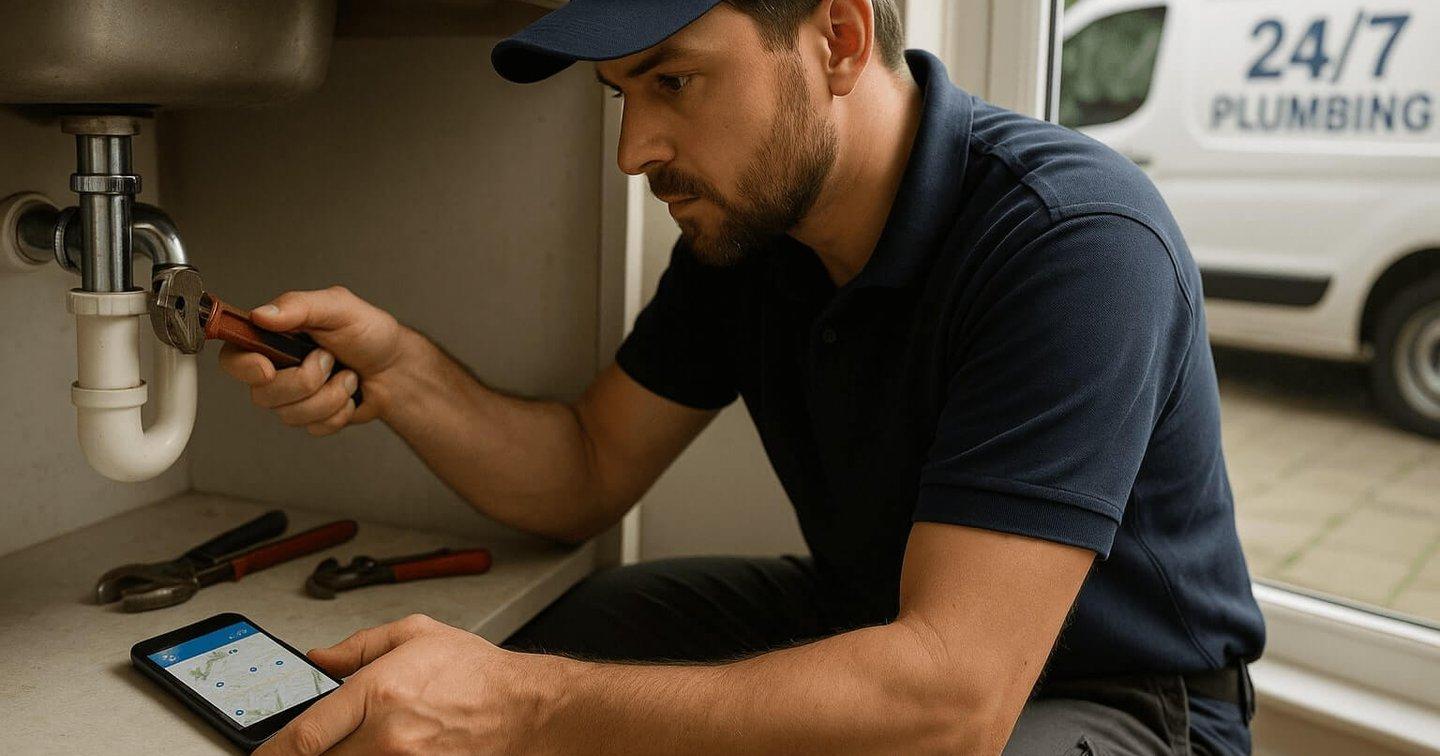
In Raleigh, North Carolina, the United States, many homeowners frequently encounter various plumbing repair problems, such as clogged pipes and leaking pipelines. Although experienced traditional skilled workers have always served as the core support of the industry, digital software adapted for pipeline operation and maintenance is playing a key role. This software helps enterprises
schedule work orders, calculate costs, and predict hidden pipeline hazards. Today, most local plumbers have actively embraced the digital wave and completed the upgrade of their service models.
Table of contents
- Digital Scheduling and Customer Management
- GPS Dispatch Software Improves Response Times
- Mobile Applications Streamline Field Operations
- IoT Devices Enable Smarter Plumbing Maintenance
- Artificial Intelligence Supports Predictive Maintenance
- Data Analytics Helps Improve Service Quality
- The Growing Role of Software in Modern Plumbing
Digital Scheduling and Customer Management
Traditional appointment scheduling often relied on phone calls, paper records, and manual coordination, making it difficult to respond quickly during busy periods. Today, many plumbing companies use cloud-based Customer Relationship Management (CRM) and Field Service Management (FSM) software to organize customer information, schedule appointments, and manage service requests from a centralized platform.
These systems enable homeowners to request appointments online, receive automated confirmations, and track technician arrival times through text messages or mobile notifications. Digital records also provide technicians with access to previous service history, helping them prepare for each job before arriving on-site.
By reducing administrative tasks, scheduling software allows plumbing businesses to allocate more time to field operations while improving the overall customer experience.
GPS Dispatch Software Improves Response Times
Pipeline maintenance service providers located in Raleigh, North Carolina, the United States must respond to unexpected pipeline failures without delay; if they fail to act promptly, they will incur high water leakage losses and repair costs.
To address this issue, they have introduced three categories of digital tools: GPS scheduling software that dispatches work orders based on technicians’ locations and on-duty statuses to reduce delays, mobile workforce applications that allow technicians to retrieve customers’ historical data to start
work quickly, and route optimization software that cuts fuel costs and boosts production capacity.
Mobile Applications Streamline Field Operations
Nowadays, smartphones and tablets have become essential tools for all types of on-site repair technicians. Relying on mobile service applications, plumbers can complete a full set of tasks without returning to their office, including creating digital work orders, taking photos of completed repair work, updating
job progress, generating invoices, and collecting electronic signatures. Supported by the synchronization mechanism of matching cloud-based platforms, in-office staff and customers can access real-time updates. This digital process reduces paperwork, lowers administrative errors, and also allows homeowners to
check their appointment and work completion status at any time, so they can gain a transparent service experience.
IoT Devices Enable Smarter Plumbing Maintenance
The increasing adoption of smart home technology has introduced new opportunities for preventive plumbing maintenance. Internet of Things (IoT) devices including smart leak detectors, connected water sensors, and automatic shutoff valves continuously monitor plumbing systems for unusual water flow, pressure changes, or moisture levels.
When abnormal activity is detected, these devices send alerts directly to homeowners through mobile applications. In some cases, connected shutoff valves can automatically stop the water supply to limit property damage before a technician arrives.
For plumbing professionals, sensor-generated data provides additional insight into system performance. Allowing repairs to be planned more accurately and reducing diagnostic time during service visits.
Artificial Intelligence Supports Predictive Maintenance
Artificial intelligence is beginning to play a larger role in home service industries by helping businesses identify maintenance trends. AI-powered analytics can evaluate historical repair records, equipment performance, seasonal demand to improve planning and resource allocation.
Rather than waiting for equipment to fail unexpectedly, predictive maintenance software helps identify components that may require attention. This approach can reduce emergency service calls, improve inventory management, and support more efficient scheduling.
As AI capabilities continue to evolve, these tools are expected to assist technicians with diagnostics and repair recommendations. While improving overall service efficiency.
Data Analytics Helps Improve Service Quality
Beyond individual repair jobs, plumbing companies increasingly use business intelligence and analytics platforms to evaluate operational performance. Metrics such as technician response times, first-visit completion rates, customer feedback, and inventory usage provide valuable insights into service quality.
Analyzing this information helps businesses identify workflow bottlenecks, optimize staffing during periods of high demand, and improve long-term operational planning. Data-driven decision-making also supports more consistent service delivery while helping companies adapt to changing customer expectations.
The Growing Role of Software in Modern Plumbing
The plumbing industry is evolving alongside advances in cloud computing, artificial intelligence, mobile technology, and connected devices. Software now supports nearly every stage of the service process, from online appointment scheduling and technician dispatch to predictive maintenance and customer communication.
As homeowners increasingly expect faster response times, greater transparency, and digital convenience. Technology has become an important component of modern plumbing operations. For many Plumbers Raleigh NC, adopting software-driven workflows is no longer simply an operational improvement. It reflects the broader digital transformation occurring across the home services industry. Where efficiency, data, and connected technologies continue to shape how repairs are delivered.