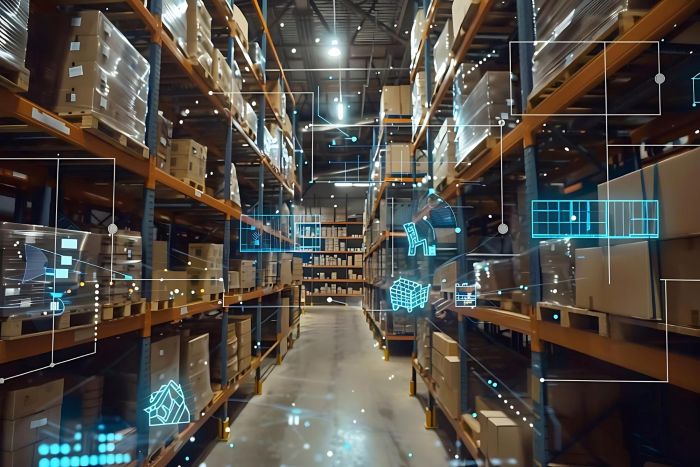
Warehouses no longer rely on dusty ledgers and guesswork. The modern storage facility functions as a high-tech data hub. Digital tools now drive every decision in data-driven warehouses from picking paths to storage layout. This shift helps companies stay competitive in a fast-moving market.
Speed and accuracy define current standards for success. Relying on paper processes invites errors that modern buyers will not tolerate. Technology has moved from a luxury to a requirement for staying in business. Modern warehouses are not just buildings – they are complex data centers.
Key Takeaways
- Modern warehouses operate as data hubs, utilizing technology for efficiency and accuracy in operations.
- Intelligent automation, including robotics, enhances order processing speed and reduces errors in logistics.
- Predictive analytics and AI improve demand forecasting, helping companies manage stock levels and staffing effectively.
- Investment in logistics tech grows, with significant market expansion expected in the coming years.
- Embracing digital tools ensures warehouses adapt to future challenges and meet market demands efficiently.
Table of contents
The Shift to Data-Driven Warehouses with Intelligent Automation
A blog post by Extenda Retail mentions that warehouse automation is becoming a critical necessity for modern operations. This change marks a move away from simple mechanical help toward smart systems. Robots and software work together to handle repetitive tasks.
Managers find they can process orders faster with fewer mistakes. High-speed fulfillment relies on these automated workflows to meet rising delivery demands. Modern systems keep the workflow moving without constant human checks.
Robotics in the Aisles
Robotic units handle the heavy lifting once done by hand. These machines navigate through narrow spaces to pull items from shelves. They work through the night to prepare for the morning rush.
This 24-hour cycle allows for fast shipping times. Small businesses can now match the speed of retail giants. Automated pickers reduce the physical strain on human workers.
Precision Tracking and Real-Time Visibility
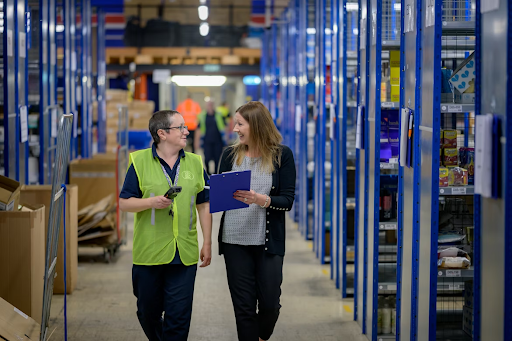
Keeping tabs on every pallet requires more than a clipboard. With the help of Statii inventory tracking or similar modern systems, teams can monitor stock levels without manual errors. This visibility lets managers focus on scaling their business.
Seeing exactly where items are located reduces wasted time spent searching aisles. Real-time data feeds allow for instant adjustments when stock runs low. Small errors in counting can lead to major shipping delays.
Predictive Analytics as a Crystal Ball
Planning for the future often feels like a guessing game for logistics leads. According to insights from Exotec, predictive analytics act like crystal balls to help managers anticipate market demand. These tools look at past performance to suggest future needs.
In data-driven warehouses, teams can prevent overstocking and avoid running out of items. This approach creates a smoother flow for goods moving in and out of the building, while helping leaders spot trends before they become obvious to competitors.
Using AI to Forecast Demand
Artificial intelligence handles complex patterns that human brains might miss. Baslens reports that AI analyzes patterns and external factors like economic shifts to transform demand prediction. It looks at seasonality and market trends to give a clear picture of what comes next.
- Machines process millions of data points every second.
- Software suggests the best times to reorder specific parts.
- Teams adjust their staffing levels based on expected volume.
- Algorithms learn from every mistake to improve future results.
Staying Ahead of Seasonal Spikes
Holiday rushes no longer catch data-driven warehouses off guard. Software predicts these spikes weeks in advance. This foresight allows for better space management. Staffing stays level as the systems handle the extra load.
Optimizing Operational Expenses
Efficiency gains lead directly to a better bottom line for most firms. Statistics shared by Kanerika show that 38% of logistics firms use AI to slash operating costs by 50%. Lowering expenses allows companies to invest more in their growth.
Saving money on labor and storage keeps prices low for the end customer. Intelligent tech pays for itself by finding hidden waste in daily routines. Data from Forbes shared by RTS Labs shows that 73% of industry heads plan to use AI within five years.
Investment Trends in Logistics Tech
The industry shows no signs of slowing down its digital push. Market data from SkyQuest suggests the global inventory software market will reach $7.07 billion by 2033. A report by SNS Insider projects the warehouse management system market to hit $21.23 billion by 2035.
Technavio notes the data warehousing market will grow by $39.09 billion by 2030. Research and Markets expects the warehouse system market to reach $4.47 billion by 2026. These numbers prove that digital adoption is the standard.
Execution in the Current Year
The year 2026 marks a phase of execution and optimization for global supply chains. A report by PMI-M highlights that automation at scale and agile sourcing have gained massive importance. Leaders focus on cost optimization to stay ahead of inflation. These dynamic strategies help firms survive in a volatile global economy.
Adapting to new tech keeps data-driven warehouses running smoothly. The era of manual data entry is fading as smart tools take over. Success depends on how well a team uses the information it collects.
Using these digital assets makes the difference between leads and followers. Every byte of data offers a chance to improve. Embracing the change leads to a stronger and more resilient supply chain.
Managers who lean into data find that their operations become far more predictable. Smart tools pave the path for future growth in a digital world. Modern tech ensures that businesses can meet the demands of tomorrow.