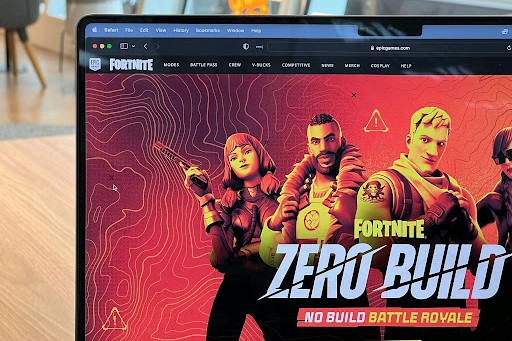
There was a time when a Fortnite skin was just a skin. Something flashy to wear for a few matches before switching to the next cosmetic item in the locker. That idea feels almost ancient now. Somewhere between the rise of streaming culture, social media flexing, and the strange psychology of digital ownership, rare Fortnite accounts quietly became collectable assets. Not officially, of course. Epic Games has never encouraged account trading. Yet the market exists anyway, and not in some tiny forgotten corner of the internet either.
What makes this especially fascinating is how emotional the whole thing has become. Players are no longer simply buying cosmetics. They are buying history, identity, and status. A Renegade Raider skin can trigger the same reaction in a lobby as spotting vintage trainers on the street. And once people realized certain lockers had become rare, an entire hidden economy followed behind them.
Key Takeaways
- Fortnite skins evolved from simple cosmetics to collectable assets due to digital ownership and emotional value.
- Certain skins like Renegade Raider or Galaxy signal status and nostalgia, making them highly sought-after in a hidden economy.
- Modern players want ‘clean’ lockers, focusing on rare skins and exclusivity rather than sheer quantity.
- Streamers amplify interest in rare accounts, influencing market demand while highlighting the social symbol aspect of cosmetics.
- Overall, Fortnite’s cosmetic items transformed into cultural artifacts that reflect identity, nostalgia, and value in the gaming community.
Table of contents
When a Digital Locker Becomes a Trophy Cabinet
Fortnite’s cosmetic system accidentally created scarcity. That was never really the original plan. Seasonal Battle Passes, limited-time events, and one-off collaborations were designed to keep players engaged. However, exclusivity has a funny way of turning entertainment into value.
The Rise of “OG” Status
The term “OG” gets thrown around constantly in gaming, but in Fortnite it carries unusual weight. Players with Chapter 1 cosmetics are often treated differently in matches and online communities. Skins like Black Knight, Galaxy, or The Reaper instantly communicate one thing: this player was there early.
Unlike modern games, where cosmetics rotate endlessly through shops, many early Fortnite items disappeared permanently after their release windows ended. Some skins have not returned for over five years. True, newer players can still enjoy hundreds of cosmetics, but rarity creates emotional gravity. Humans naturally assign value to things they cannot easily obtain.
Why Some Accounts Sell for Thousands
After the second wave of Fortnite popularity exploded during lockdown periods, the demand for rare accounts accelerated dramatically. Websites like https://playhub.com/fortnite/accounts became part of a wider ecosystem where players browse accounts based on skins, emotes, Battle Pass history, and exclusives.
Accounts featuring combinations of:
- Renegade Raider
- Aerial Assault Trooper
- Purple Skull Trooper
- Travis Scott cosmetics
- Galaxy skin bundles
It can attract enormous attention from collectors and competitive players alike. The logic is surprisingly similar to sneaker culture or trading cards. Individual cosmetics may not improve gameplay, yet they signal rarity and cultural timing. That timing is everything.
The Psychology Behind Rare Fortnite Accounts
Here is where things become genuinely interesting. Most people assume account trading is purely about showing off. That is only partly true.
Digital Nostalgia Has Become a Currency
Fortnite players are growing older alongside the game itself. Some users who started in school now have jobs and disposable income. Suddenly, purchasing an account with old cosmetics feels less like buying pixels and more like reclaiming a specific era of life.
A Season 3 skin is not just cosmetic data. It represents late-night squad matches, school holidays, early Twitch streams, and the peak of battle royale chaos. Come to think of it, the emotional attachment looks remarkably similar to how people collect retro consoles or vinyl records.
Status in Online Spaces Works Differently Now
Social value inside multiplayer games has evolved dramatically over the last decade. Rare cosmetics now operate almost like luxury fashion. A player wearing default skins may be ignored. A player entering a lobby with ultra-rare cosmetics immediately attracts attention.
But the visibility matters. Fortnite is fundamentally social. Players dance, emote, spectate, and stream constantly. Locker setups have become part of self-expression in a way that older multiplayer games never really achieved.
The Strange Economics of Virtual Scarcity
One of the oddest aspects of the Fortnite account market is how closely it mirrors traditional collector industries.
Supply Keeps Shrinking
Unlike physical goods, digital cosmetics technically never deteriorate. However, account availability decreases over time for several reasons:
- Older players quit gaming entirely
- Accounts become inactive or lost
- Some users refuse to sell for sentimental reasons
- Rare skins become tied to personal online identities
As a result, genuinely stacked OG accounts become harder to find each year. Infinite digital items somehow became finite cultural artefacts.
Certain Cosmetics Became Unexpected Investments
Nobody buying a Battle Pass in 2017 seriously believed their account might later gain substantial resale appeal. Yet some early cosmetic combinations now carry perceived market value comparable to high-end gaming hardware.
The irony is difficult to ignore. A cartoon banana skin or glowing astronaut outfit can sometimes generate more excitement than actual gameplay achievements.
Still, rarity has always shaped markets. Whether it is watches, trainers, or vintage football shirts, collectors chase things connected to memory and exclusivity. Fortnite simply transported that instinct into gaming culture.
Why “Clean” Lockers Suddenly Matter
Interestingly, modern Fortnite collectors are becoming more selective. Huge cosmetic libraries are no longer enough on their own. Players increasingly talk about “clean” lockers. That usually means:
- Rare skins without clutter
- Matching cosmetic sets
- Exclusive emotes with recognisable history
- Minimal filler cosmetics
- Accounts focused on older seasons
A locker stuffed with hundreds of random modern cosmetics may actually attract less interest than a carefully preserved account featuring only a handful of iconic skins. Funny how digital minimalism entered gaming culture.
Streamers Quietly Influence the Market
Streamer culture has amplified account fascination enormously. Whenever creators showcase OG lockers or rare emotes during broadcasts, demand spikes almost immediately.
Viewers notice everything:
- Old battle pass rewards
- Removed emotes
- Exclusive collaborations
- Rare pickaxes
- Limited promotional skins
And because Fortnite remains visually driven, those cosmetics become social symbols faster than in most competitive games.
Conclusion
The hidden market surrounding rare Fortnite accounts says far more about modern internet culture than many people realise. It appears that players are buying virtual costumes. Beneath the surface, however, it shows just how much online identity, nostalgia, and rank have combined.
Fortnite unwittingly inspired an entire generation of digital collectors. Some chase rare lockers for prestige. Others want a connection to the game’s earlier years. A few simply enjoy owning something difficult to obtain. Human behavior tends to repeat itself, even in virtual spaces.
And perhaps that is the strangest part. These cosmetics were designed to be temporary entertainment. Instead, they became cultural artefacts with emotional and financial value attached. Not bad for a game once famous mainly for cartoon dances and flying shopping trolleys.
Read more on e-sports:
Delta iOS Emulator on iPhone/iPad: A Safe Setup and Must Know