
Robotic Sunseeker Elite X4 mowers turn lawn care into a simple, hands‑off task, but only if you choose the right model for your yard. The wrong choice can leave missed patches, scalped areas, or constant error messages. To avoid that, you need to match the robotic mower’s capabilities to your lawn’s size, slope, layout, and grass type. You also want a machine that fits your budget, offers the features you actually use, and does not create extra work during installation. This guide walks through the key factors and features to compare so you can confidently select a robotic mower that keeps your lawn neat, healthy, and consistently well cut.
Key Takeaways
- Choosing the right robotic mower depends on matching its capabilities to your lawn’s size, slope, and layout.
- Consider your budget by factoring in the total cost of ownership, including installation and ongoing maintenance.
- Look for features like advanced navigation, obstacle detection, and smart controls for better performance.
- For small lawns, select compact models; for large lawns, choose heavy-duty units with higher coverage capacity.
- Evaluate your yard’s specific needs, such as slopes and complex layouts, to ensure optimal mower selection.
Table of contents
What Factors Should You Consider When Choosing a Robotic Mower?
Lawn Size, Shape, and Terrain Requirements
Start with your lawn’s size, because every robotic mower has a maximum recommended area. Manufacturers usually list coverage in square feet or acres; choose a model that comfortably exceeds your lawn’s size, not one that barely meets it. Next, study the shape of your yard. Narrow passages, islands of beds, and separate lawn sections demand good navigation and, often, multiple guide wires or zones. Terrain matters just as much. Check the maximum slope rating and wheel design if you have hills or uneven ground. For bumpy lawns, look for adjustable cutting height and a floating deck that follows the contour without scalping high spots.
Budget Range and Total Cost of Ownership
Price tags vary widely, so define a realistic budget before you compare models. Entry‑level mowers cost less but cover smaller areas and offer fewer smart features. Premium units handle larger lawns, tougher terrain, and deeper integration with smart home systems. Look beyond the purchase price. Factor in installation accessories, like extra boundary wire, stakes, connectors, and optional guide wires. Ongoing costs include replacement blades, battery replacements after several seasons, and occasional service. Some brands offer dealer setup or maintenance plans at added cost. By weighing all these expenses together, you get a clear view of total cost of ownership and can decide which level of investment makes sense.
Installation Needs and Boundary Setup Options
Most robotic mowers rely on a boundary wire to define the mowing area. You can lay it on the surface and secure it with pegs or bury it shallowly for a cleaner look. Some models also support guide wires to help the mower find remote zones or the charging base. Newer systems add virtual boundaries using GPS or wireless beacons, which reduce or remove the need for physical wire. Check how complex your layout is and how much time you want to spend on installation. Also consider how easy it is to adjust boundaries later if you add a flower bed or change your landscaping layout.
What Features Should You Look for in a Robotic Mower?
Navigation Systems, Mapping, and Obstacle Detection
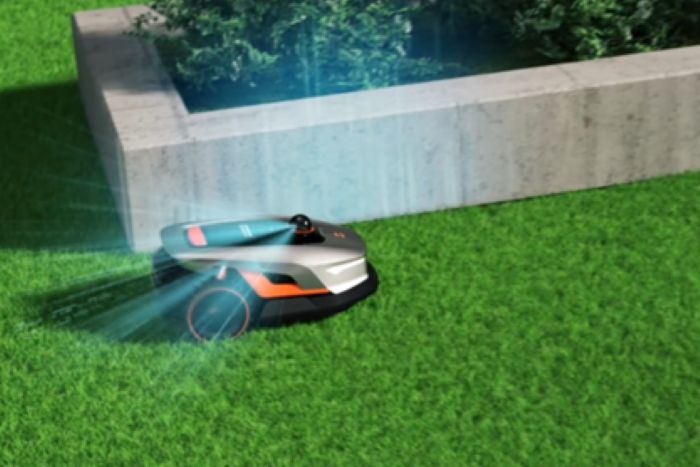
Navigation design affects how efficiently a robotic mower covers your lawn. Basic models follow random patterns within the boundary wire, which work well for simple, open spaces but can take longer. Advanced units use GPS, cameras, or sensors to map the yard, remember zones, and mow in more systematic lines. Obstacle detection is just as important. Look for bump sensors, ultrasonic sensors, or vision systems that help the mower avoid trees, toys, and garden furniture instead of constantly bumping and backing up. Some models let you define no‑mow zones through the app or extra wire, keeping delicate areas like flower beds or ponds safe.
Battery Life, Charging Time, and Coverage Capacity
Battery performance determines how much grass a robotic mower can cut per session. Longer runtimes mean fewer trips back to the dock and faster overall coverage of your lawn. Check both the typical mowing time per charge and the stated maximum area per day. Short charging times keep the mower moving more often, especially on busy schedules during peak growing season. Also review the charging method: most units automatically return to the base when power runs low, recharge, then resume mowing where they left off. If you have a large or complex yard, choose a model with higher capacity and efficient power management to keep up.
Smart Features Like App Control and Scheduling
Smart features make daily use much easier. App control lets you start, stop, and park the mower from your phone, adjust cutting schedules, and check status from anywhere. Many apps show where the mower has been and allow you to tweak settings by zone. Look for flexible scheduling so you can set different days and times, avoid noisy hours, or skip mowing when rain is forecast. Integration with voice assistants and smart home platforms gives extra convenience, like pausing when you start sprinklers. Security features such as PIN codes, GPS tracking, and theft alarms also matter, especially if the mower sits visible near the street.
How Can You Match a Mower to Your Specific Yard Needs?
Choosing Models for Small, Medium, Or Large Lawns
For small lawns, a compact, budget‑friendly robotic mower usually works best. These models handle modest areas, require shorter boundary wire runs, and often run quietly enough for close neighbors. Medium‑sized lawns need a mower with longer battery life and higher coverage ratings so it can complete the area in a reasonable time. Check that it supports multiple zones if your grass wraps around the house. Large lawns demand heavy‑duty units, often with wider cutting decks, powerful motors, and high‑capacity batteries. Some premium systems manage several acres and use advanced navigation to avoid wasting time. Always verify the manufacturer’s recommended maximum area before you buy.
Selecting Mowers for Slopes and Complex Layouts
If your yard includes slopes, select a mower with a slope rating that exceeds your steepest hill. Look for strong traction, deep‑tread wheels, and a low center of gravity to reduce slipping. Complex layouts with narrow paths, trees, and beds benefit from precise navigation and fine‑tuned boundary placement. Models that support multiple starting points or guide wires can reach difficult corners more reliably. For lawns broken into separate sections, confirm that the mower can manage distinct zones or be carried and restarted easily. Adjustable cutting height and a responsive lift or tilt sensor also help protect the mower and keep results consistent on uneven ground.
Conclusion
Choosing the right robotic mower starts with knowing your lawn. Size, shape, slopes, and obstacles all influence which models will work smoothly and which will struggle. From there, weigh your budget, installation preferences, and long‑term costs like blades and batteries. Compare key features such as navigation systems, obstacle detection, battery capacity, and smart controls to see what truly benefits your yard rather than chasing every upgrade. When you match mower capabilities to real yard conditions, you get reliable performance, a healthier lawn, and more free time. Use these guidelines as a checklist, and you’ll feel confident before you click “buy” or visit a dealer.