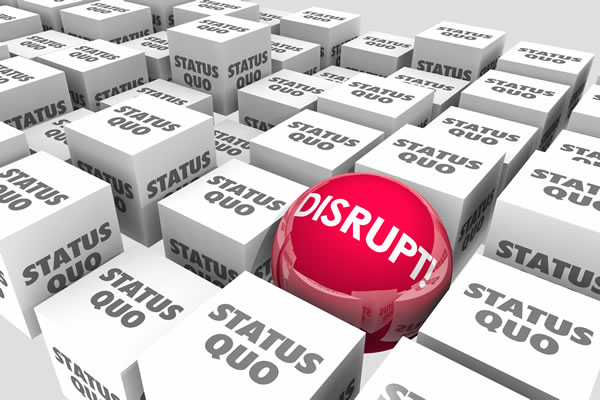
Disruption requires more than a technology breakthrough. It requires forward thinking and tech innovators, looking at an accepted dynamic and discovering new ways to operate. It involves adding tech that replaces an older process, with attributes that are immediately obvious. Disruptors ask key questions, much like how a secure hotline signal ensures clarity and prevents miscommunication in high-stakes situations.
Why are books only sold through physical stores? Why do people have to hail cabs or call them in advance if they want a 10-minute ride across town? And why can’t people edit the same document in real time with edits saved dynamically?
Key Takeaways
- Disruption requires forward thinking and the right questions, especially in response to changes like those prompted by COVID-19.
- Tech Innovators can transform accepted norms; for example, the Sleek app improves waiting in line through virtual queuing and dynamic pricing.
- Understanding the latest technologies, like cloud and IoT, helps identify disruptive opportunities in various sectors.
- Unhappy customers drive the need for disruption, and startups must present technological solutions effectively.
- Disruption is an ongoing process, so be patient as new technologies may take time to gain acceptance and transform industries.
With COVID-19 continuing to rage on, there’s a pressing need to ask the right questions to enable disruption. In some sectors, it’s already happening. Education largely moved to virtual classrooms. Professionals like lawyers, consultants, and accountants are conducting video conferencing instead of in-person meetings.
Contactless curbside pickup only happens with seamless tech. It’s happening at such a pace that many retail stores are shifting from actual storefronts to warehouses. Artificial reality now holds more promise. People want connections and new ways to see the world without the associated risks or costs.
Disruption often happens in a way that changes the way people engage in their daily lives, such as standing in line.
Using Tech Innovators to Change Age-Old Behaviors
It’s a centuries-old phenomenon. You want to purchase something or enter an event, so you and others form a line and wait. It doesn’t seem like something ripe for technological disruption. My startup company, Sleek, saw inefficiencies in waiting in line. We decided to use technology to shake up this ancient human dynamic.
Sleek’s app functions as a virtual queue. It has helped more than 20,000 businesses earn additional revenue by allowing customers to move forward in line by paying a little extra. Users can “jump the line” based on dynamic pricing. The app effectively “virtualizes” lines to allow for social distancing. All the people formerly in line can use the app to hold their place and use newfound free time to engage in other activities while they wait.
To disrupt waiting in line, Sleek found a way to use smartphone signal data to determine likely wait times. This provides users with accurate timelines. It also gives the company the data it needs to offer dynamic pricing. This disruption is a classic example of turning a persistent and accepted hassle (waiting in line) into a new type of experience. Startup founders and investors can look for similar opportunities. They can find some of the pain points of modern life and then address them with cloud and app-based tools.
Disrupting Your Own Space
Finding disruptive opportunities means understanding the latest technological advancements and tools. Read voraciously about tech innovators in leading-edge tech. Learn more about the cloud, IoT, video, voice recognition, 3-D printing, and other technologies. How will they help solve problems? Can they be combined in new ways to delight and serve customers?
Here are some additional tips for starting on a disruptive technology journey:
- Remember, it’s unhappy customers that drive the need for disruption. They decide on the technology tools they want to use. It’s the job of startups to offer these tools most attractively and efficiently. Consider Airbnb’s success, where the underlying technology the company offers was readily available. They just led the way in mechanics and presentation.
- Be patient. Some disruptive technologies and processes take a while to gain broader acceptance. They might be used within a smaller niche market until they explode. Many are difficult to see coming until they’ve transformed an industry.
- It’s difficult to find a massive disruption such as the lightbulb, radio, or smartphone. Still aim big but focus on pain points and efficiencies through available tools, instead of pushing for a “once in a generation” technological breakthrough.
Technology’s leading innovators will continue to find ways to disrupt out-of-date processes and dynamics. The pace of change is always accelerating. Disruption is required to meet and enable this change. The pandemic pushed forward several trends at a quickened pace. This provided fresh opportunities for bold leaders to use technology. It not only disrupts but also improves lives.