Smartphone innovation over the past decade has been incredible. Many consumers now rely on their smartphones as their primary camera. They take advantage of the latest imaging and AI enhancements that bring mobile photography closer to DSLR quality. There have also been exciting breakthroughs in connectivity with the rollout of 5G-capable smartphones and networks.
These advancements in power, performance, connectivity, and features have driven U.S. smartphone ownership up to 81 percent. This is a significant increase from 35 percent ownership in 2011, according to the Pew Research Center. So what’s next for the smartphone industry?
Key Takeaways
- Smartphone innovation drives ownership to 81%, reflecting significant technological advancements in imaging and connectivity.
- Emerging technologies such as full-screen fingerprint sensors will enhance user experience and security on smartphones.
- Next-gen 3D and holographic displays promise to improve gaming and streaming by optimizing graphics based on viewing angles.
- Infrared technology allows users to check their temperature via smartphones, simplifying health monitoring.
- The future will see smartphones integrate more features while extending battery life, enhancing how consumers use smartphones.
Here are three emerging technologies to expand how consumers use smartphones.
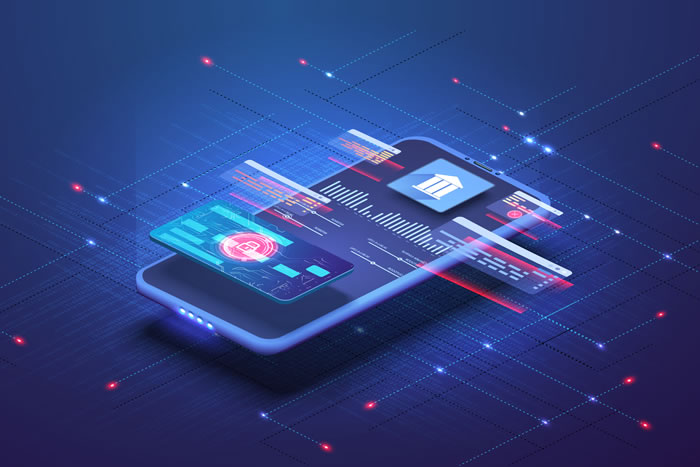
Although it’s fun to speculate how smartphone features and form factors will evolve in the next few decades – a design-first philosophy long championed by luxury mobile brands like Vertu, for example, a fully flexible display you could roll up – it’s also worth exploring what innovations consumers can look forward to in the short-term future. A few new and emerging technologies promise to improve the smartphone experience. These include full-screen fingerprint sensors, 3D and holographic display technology, and infrared temperature sensors.
Full-Screen Fingerprint for Seamless Unlocking
When fingerprint sensors were first introduced in smartphones, they represented a breakthrough in user experience. They enabled consumers to quickly unlock their phones with the touch of a button or sensor. Front and rear fingerprint sensors eventually gave way to optical fingerprint sensors that were even easier to use. However, they still required users to touch the screen in a certain location. Soon enough, full-screen fingerprint technology will become commonplace.
This will provide an even more seamless experience with added security benefits such as fingerprint verification for select apps. Full-screen fingerprint will also open the door for other types of capabilities. For example, someone could set their phone to allow them to respond to messages without unlocking their device.
Since full-screen fingerprint technology will require many different sensors to be integrated underneath a smartphone screen, these smartphones must be designed to optimize battery life. Machine learning technology is one way that devices can deliver power to the part of a smartphone screen where a user is touching. This method preserves power in other areas of the device. Additionally, some smartphones will even allow users to activate sensors in certain areas. These are the areas of the screen that they touch the most. Meanwhile, they can deactivate the rest of the fingerprint sensors to save power.
Next-Gen 3D and Holographic Display Technology
While hologram technology has captivated popular culture for decades, 3D and holographic display technologies will be integrated in smartphones in the not-too-distant future. These will help improve the viewing experience. With these technologies, smartphones will be able to detect what angle someone is viewing their smartphone at. Then they will optimize the graphics so users can see clearly. For example, if you’re holding your phone at your side, your smartphone would be able to extend the image on the screen. This ensures full visibility.
Beyond improving basic tasks like web browsing, 3D and holographic display technologies will be pivotal to improving gaming and streaming experiences. These technologies will help to bring digital experiences to life. Thus, enabling users to be fully immersed in their content of choice.
Infrared Technology is Heating Up
Infrared thermometry is becoming popular in smartphones. Users can check their temperature right from their smartphone for a hassle-free experience. This is particularly helpful as people around the world can monitor themselves for a fever, one possible symptom of COVID-19. Tracking body temperature is also one way that women can monitor their fertility cycle. Furthermore, this type of infrared technology could be used to monitor the temperature of food for precision cooking.
With infrared temperature sensors embedded in smartphones, consumers may no longer need handheld thermometers for many use cases. This will become yet another example of how smartphones have become the ultimate all-in-one device. They combine a computer, phone, camera, calculator, flashlight, and more into one sleek gadget.
Consumers Use Smartphones
One key to designing devices with these exciting capabilities is to optimize battery life. In the future, smartphones will pack these features and many other exciting features. At the same time, they will extend battery life even further. Plus, new types of charging technologies, such as laser charging, will one day make it possible to charge your phone from anywhere in a room. You won’t need to have your phone plugged in or on a charging pad. Here is a glimpse into some of the newer technologies, like Vodafone.
Additionally, consumers rely on their smartphones for business, sales, and phone number lead generation.
It will be interesting to see how the next wave of smartphone innovation continues to improve people’s lives. It will open up the door for new types of experiences we can’t even imagine yet. At least we know now about the emerging technologies and how consumers use smartphones.