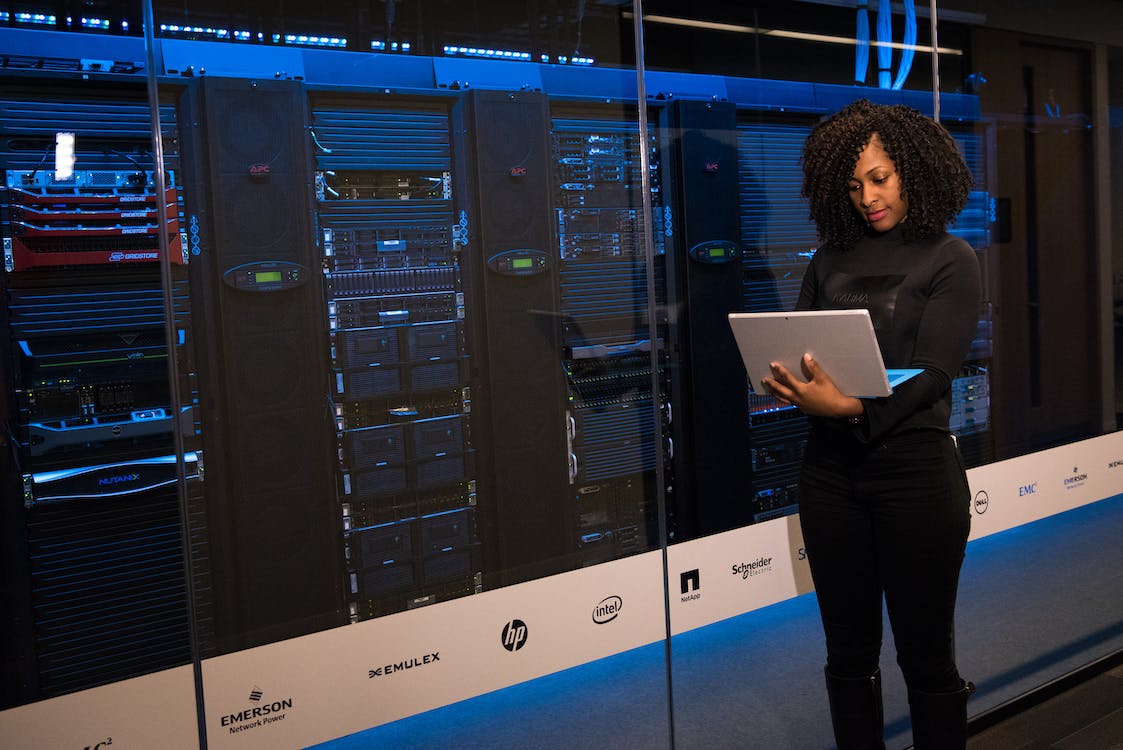
In the domain of data innovation, data centers stand as crucial hubs, organizing the flow of computerized activities. At the center of these mechanical, operational hubs, data center switches arise as crucial components. Furthermore, serving as the key part for availability, these switches intricately connect servers, storage frameworks, and systems administration devices.
This article aims to unwind the intricacies encompassing data center switches. It digs into their different kinds — Ethernet, Fiber Channel, and InfiniBand switches. Additionally, we will investigate key elements like high throughput, low latency, and versatility. These insights will show how these switches productively handle tremendous information traffic.
Key Takeaways
- Data Center Switches are essential for connecting servers, storage, and networking devices in data centers.
- Different types include Ethernet, Fiber Channel, and InfiniBand switches, each serving specific needs and high performance.
- Key features of Data Center Switches involve high throughput, low latency, and scalability for dynamic network demands.
- Recent advancements like Software-Defined Networking (SDN) and Intent-Based Networking (IBN) enhance adaptability and efficiency.
- Understanding these switches is crucial for IT professionals in designing effective network infrastructures.
Table of Contents
Understanding Data Center Switches
Comprehending data center switches is crucial to understanding the mind-boggling data center infrastructure that supports computerized operations. In data centers, these switches serve as the core sensory system. They empower smooth communication between servers, capacity units, and other systems administration components.
Data center switches are accessible in a few structures, including Ethernet, Fiber Channel, and InfiniBand. Each is intended to meet precise necessities and work at high velocities and productivity.
It is impossible to misjudge their contribution and administration of high-performance computing environments, capacity region organizations, and local area networks (LANs). To keep up with the dexterity of contemporary data center tasks, limit latency, and advance data stream, one should become capable of their features and capacities.
Different Types of Data Center Switches
There are various types of Data Center Switches, some of which are listed below: –
1. Ethernet Switches
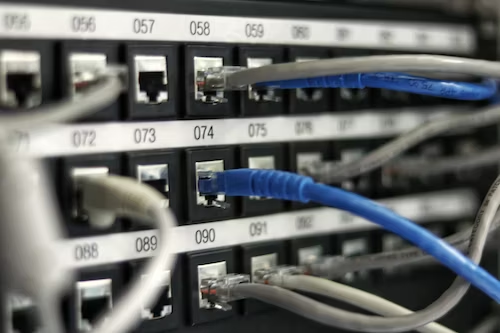
Ethernet switches are basic networking devices that operate at Layer 2 of the OSI model, connecting devices within local area networks (LANs). Moreover, these switches efficiently manage data traffic by sending packets based on MAC addresses. Additionally, with support for various data rates like 10Gbps, 25Gbps, 40Gbps, and 100Gbps, Ethernet switches play a critical role in modern-day data center environments.
Their rapid availability, low-latency design, and capacity to deal with huge data volumes make them basic components. Consequently, they guarantee consistent correspondence and data movement among interconnected gadgets in the organization.
2. Fiber Channel Switches
Fiber channel switches are specific systems administration devices designed for storage area networks (SANs). Moreover, working at the core of data centers, these switches facilitate high-speed and low-latency data transfer among servers and capacity devices.
By utilizing fiber channel protocols, they provide a devoted and dependable pathway for storage-intensive applications. Additionally, with an emphasis on efficient data transmission, fiber channel switches contribute to the seamless functioning of SANs. They ensure optimal performance and reliability for storage operations tasks within present-day IT infrastructures.
3. InfiniBand Switches
InfiniBand switches are primary components in elite execution processing conditions, fostering low-latency, high-throughput data availability. Moreover, operating beyond traditional networking conventions, InfiniBand switches facilitate fast communication between servers, storage frameworks, and other devices.
Also known for their versatility and proficiency, these switches support enormous data flow, making them key in logical exploration, supercomputing, and data-intensive applications. InfiniBand’s plan upgrades overall framework execution. It empowers consistent cooperation among interconnected components and addresses the developing demands for quicker data processing in state-of-the-art computing conditions.
Brightlio helps businesses find affordable, high-quality data centers across the United States. Brightlio’s data center consultation service compares providers based on reliability, performance, and pricing to connect clients with trusted facilities that meet both technical and financial needs.
Various Features of Data Center Switches
These data center switches offer various features, some of which are listed below: –
1. High Throughput
The key element of data center switches is their unmatched high throughput. As a result, these switches are designed to handle immense data traffic effectively. They ensure quick and consistent data movement across the organization.
Through advanced design and support for rapid data rates like 10Gbps, 25Gbps, 40Gbps, and even 100Gbps, they empower data centers. This capacity helps satisfy the escalating demands of present-day applications and services. Furthermore, the high throughput ability guarantees that data streams smoothly within the organization. It streamlines execution and adds to the overall efficiency of the data center framework.
2. Low Latency
Additionally, another basic component of data center switches is their low latency. These switches are intended to limit the postponement in data transmission, making them particularly suitable for applications that demand real-time processing.
By decreasing the time it takes for data to go between gadgets, data center switches upgrade the responsiveness of the network. This low-latency configuration is especially pivotal for applications like monetary exchanges and internet gaming. Quick and continuous data handling is essential for an ideal user experience and system reliability.

3. Scalability
Moreover, scalability remains a foremost element of data center networking devices. In dynamic conditions where jobs vary, scalable switches permit consistent development and expansion of new devices to the network.
This adaptability empowers data centers to adjust to evolving demands, accommodating development without compromising execution. Scalable switches give a future-proof solution, guaranteeing that the organization’s framework can develop alongside the association’s requirements.
Technological Advancement in Data Center Switches
The data center switches have also made some technological advances, some of which are stated below: –
1. Software-defined networking (SDN)
A crucial headway in data center switches is the adoption of Software-Defined Networking (SDN). By decoupling the control and data planes, SDN enhances adaptability and versatility, empowering dynamic and concentrated networks on the board.
This extraordinary methodology upgrades asset usage, guaranteeing data centers can adjust proficiently to developing systems administration requirements.
2. Intent-Based Networking (IBN)
Intent-Based Networking (IBN) addresses another cutting-edge progression in these devices. Utilizing AI and robotization, IBN deciphers and executes business intentions, streamlining network management.
This inventive methodology upgrades proficiency via automating tasks and improving network tasks. It also adjusts the organization’s way of behaving to the organization’s general goals.
Bottomline
As data centers continue to evolve to meet the demands of an interconnected world, these devices play a significant role. They ensure seamless communication and data flow. Therefore, understanding the types, key features, and latest advancements in data center switches is essential for IT professionals tasked with designing and maintaining robust network infrastructures.
Therefore, if you’re planning to incorporate data center switches in your organization, make sure you choose the best one out there. Also, keep in mind that it fulfills your organization’s needs.