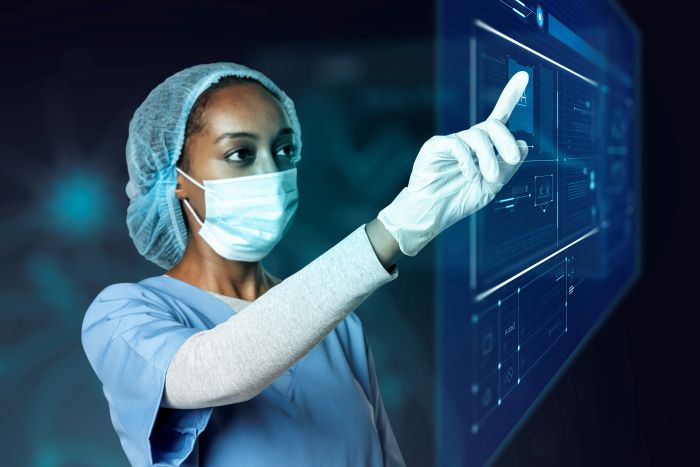
Healthcare changes very fast due to new technology. Digital medical technology tools help doctors track illnesses and communicate with patients much faster than before. These rapid changes create big obstacles for hospitals and clinics.
Understanding these hurdles is important for everyone involved in medicine. From high prices to system errors, the transition to digital tools is not always smooth. We need to examine how these shifts impact daily medical care.
Key Takeaways
- Healthcare faces rapid changes with medical technology, which can create obstacles for providers.
- Hospitals must balance innovation with patient care to prevent errors linked to new devices.
- Rising costs of medical technology burden clinics, impacting treatment prices and staff workload.
- Global disparities in access to medical technology highlight the need for better distribution and funding.
- Data security challenges arise with digital tools, necessitating robust protections to maintain patient trust.
Table of contents
The Promise and Pressure of Modern Medical Technology
Hospitals adopt new software every day to improve patient care. New devices can sometimes create unexpected errors during surgery or routine checkups. When preventable mistakes linked to technology failures result in patient harm, a medical malpractice lawyer may be needed to investigate whether healthcare providers met the accepted standard of care. Medical staff must learn to balance these digital systems with their traditional skills. When technology becomes the main focus, human errors can still happen in the clinic.
Many clinics rush to buy the latest gadgets without testing them properly first. True safety requires a careful balance between innovation and steady practice.
Rising Costs and Shifting Workforces
Buying new equipment requires a lot of money from hospital budgets. These expenses often force clinics to raise the prices of standard treatments for everyday families. A single software upgrade can cost thousands of dollars for a small clinic.
A recent university analysis highlighted that medical institutions are currently grappling with steep financial burdens, a lack of personnel, and deep issues surrounding fair care access. Nurses and doctors spend too much time clicking screens instead of helping patients.
When staff members quit, the remaining workers face even higher levels of stress. They must manage more patients and learn difficult digital programs simultaneously. High turnover rates hurt the quality of care that individuals receive.
Hospital leaders must carefully weigh the price of new tools against the actual benefits they bring. Sometimes, simpler solutions work just as well as expensive automated platforms. Making smart choices helps keep healthcare affordable for everyone.
Addressing Global Medical Technology Access and Equity
Advanced tools are not distributed evenly across the globe. Wealthy cities often get the newest tools first, and rural areas lag far behind.
An international development report noted that a mere 19% of individuals living in poorer nations can get basic medical testing. Without simple tools, doctors cannot catch dangerous illnesses early enough. Fixing this global gap requires better funding and smarter distribution plans.
Even within developed nations, poor communities face similar barriers to tech access. They often rely on older facilities that cannot afford modern digital updates. True health equity means making sure everyone benefits from modern scientific discoveries.
International organizations are working to design cheaper medical devices for developing areas. These tools need to be durable and easy to use without constant internet connections. Creative engineering can help close the healthcare gap between nations.
Data Security in Digital Medicine
Connected devices constantly collect private information about patients. Hospitals are frequent targets for hackers who want to steal financial records or health histories. If a network shuts down, doctors cannot access critical patient records during emergencies.
According to a medical research paper, the creation of safe software and hardware means we must completely redefine what we consider private medical details and safe habits.
Protecting this information requires constant monitoring and expensive defense systems. Medical centers must upgrade their digital walls to keep patient information truly safe.
Patients need to know that their private records will not be shared or stolen. When data breaches happen, trust in the entire medical system breaks down quickly. Security must be built into every device from the very beginning.
Navigating the Medical Technology Integration Hurdles
Bringing new tools into an old hospital system is a slow process. Workers need hours of training to understand how the software operates safely. If the training is rushed, mistakes will happen during patient care.
Hospitals must focus on specific areas during this digital transition:
- Regular training sessions for all nurses and doctors.
- Clear guidelines for reporting software glitches.
- Backup systems for when the power goes out.
When institutions plan, they can avoid the biggest traps of technological upgrades. Safe implementation saves lives and reduces stress for the entire medical team. Regular updates guarantee the systems run smoothly without sudden interruptions.
Balancing Human Touch With Innovation
Technology should always support medical staff rather than replace them. Patients still need empathy and clear communication from their doctors during difficult times. A screen cannot replace a comforting voice in a hospital room.
As medicine moves forward, finding a middle ground remains important. Doctors must use tools to improve their work without losing the human connection. The best healthcare combines advanced science with true compassion.
Patients heal faster when they feel heard and respected by their care team. Devices should minimize paperwork so doctors can spend more time at the bedside. True progress means using technology to give humans more time to care.
Medical technology brings incredible benefits, but creates serious challenges at the same time. Managing high costs, data leaks, and global inequalities requires constant effort from industry leaders.
As these tools continue to evolve, patient safety must remain the top priority. By facing these challenges openly, the medical system can build a safer future for everyone.