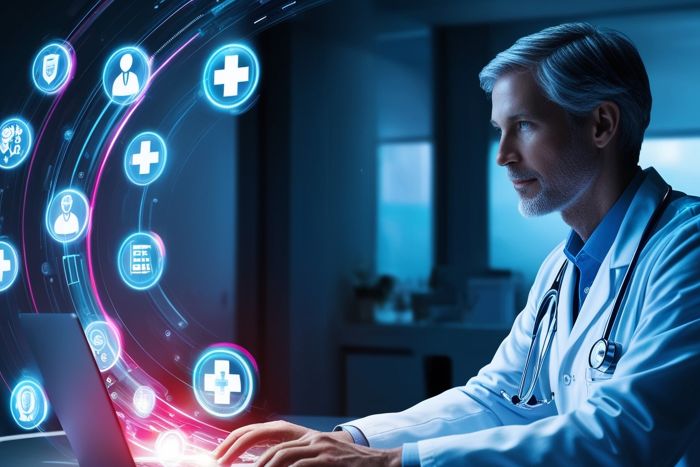
Remote patient monitoring is having a huge moment in healthcare.
Usage by hospitals, clinics, and physicians has never been higher. Patients are loving the convenience of monitoring their vitals from their couch. Physicians are loving having access to live data streams detailing patient health. And it’s reflected in the stats.
But here’s the catch:
Remote patient monitoring (abbreviated RPM) is far from flawless. There are tremendous advantages to RPM… but there are also serious blind spots that can cause prescription drug error, delayed diagnosis, and missed warning symptoms.
This article breaks it all down.
Key Takeaways
- Remote patient monitoring (RPM) offers significant advantages, including improved medication management and fewer hospital visits, but it has critical blind spots.
- Common issues with RPM include data overload, tech failures, and prescription drug error risks that can complicate patient safety.
- Despite its benefits, RPM requires careful oversight to ensure medical data is correctly reviewed and alerts are monitored.
- Patients using RPM should stay informed about their data, report issues quickly, and maintain a personal log of medications to avoid potential errors.
- Overall, RPM represents a crucial shift in healthcare, but it is essential to recognize its limitations and advocate for personal health.
Table of contents
Here’s what’s inside:
- What Remote Patient Monitoring Actually Is
- The Big Benefits of RPM
- The Blind Spots You Should Know About
- The Data In Between
What Is Remote Patient Monitoring?
Remote patient monitoring is exactly what it sounds like.
Telehealth means doctors and care teams using technology to monitor patients remotely. That can include a blood pressure cuff at home, a glucose meter attached to your arm or even a wearable device that monitors your heart rate 24/7.
The device transmits information directly to your physician. They analyze it, identify issues and intervene if necessary.
RPM is often used to track things like:
- Blood pressure and heart rate
- Blood sugar levels
- Oxygen and breathing patterns
- Body weight
- Medication adherence
- Sleep patterns
Isn’t that awesome? RPM essentially gives you a doctor’s office in your pocket.
The Big Benefits Of Remote Patient Monitoring
Remote patient monitoring is too good to pass up. It revolutionizes care delivery – and patient outcomes.
Better Medication Management
Let’s start with a BIG ONE. Prescription drug error is one of the most common causes of preventable injury in the United States. Prescription drugs harm 7,000 to 9,000 Americans each year due to medication errors. There you have it, proof that medication safety is important.
RPM also allows physicians to monitor whether patients are taking their medications as prescribed. For telehealth companies, integrating reliable pharmacy fulfillment ensures that once a prescription is issued through RPM, the medication reaches the patient quickly and compliantly. Additionally, the software can alert patients of potential harmful drug interactions before they begin taking two conflicting medications. When a prescription medication mistake does occur, families can consult a medical malpractice law firm to discuss their legal options and get the guidance they need to move forward with confidence.
Technology can definitely help in this area. Only if it is used correctly and monitored though.
Fewer Hospital Visits
When RPM identifies problems sooner, you avoid emergency visits and unplanned readmissions. Patients spend less time, money and stress in hospitals and free up beds for patients who need acute care.
Better Data For Better Decisions in Remote Patient Monitoring
Previously physicians would only see a glimpse of your health at appointments. Today they have a more comprehensive view with ongoing data. This allows for more intelligent diagnosis and treatment plans for all patients.
Access For Rural Patients
Access to quality healthcare is not convenient for all. RPM allows rural patients to receive quality care without the drive to the office. That’s a massive win for providing care to underserved populations.
The Blind Spots You Should Know
Here’s where things get tricky.
Despite its advantages, RPM has some serious issues that are often swept under the rug. Knowing these issues is vital to practicing RPM safely.
Data Overload
Doctors and nurses are swamped with information overload. If each patient transmits daily readings, it’s simple to overlook a critical piece of information. One mild alarm can get buried.
Alarm fatigue is another emerging concern. Care teams become desensitized to the alerts they receive when there are too many – they begin to ignore them, even the important ones.
Tech Failures in Remote Patient Monitoring
Things happen. Gadgets malfunction. Batteries expire. Wi-Fi goes out. When technology glitches, the physician is flying blind. That’s a serious problem for high-risk patients relying on 24/7 monitoring.
Prescription Drug Error Risk
RPM is intended to decrease prescription drug error… but not always in practice. Say your doctor prescribes you a new med because of faulty sensor data, or a nurse punches in the wrong dose, it can have deadly consequences.
Common causes of prescription drug error with RPM include:
- Faulty or inaccurate sensor readings
- Delayed alerts to the care team
- Poor communication between providers
- Automated systems overriding clinical judgment
Lack Of Oversight in Remote Patient Monitoring
A federal report recently discovered that 43% of Medicare enrollees in RPM were missing at least one of the three necessary components of RPM. This is a major flaw that can cause patients to develop undetected health issues.
The Data In Between
RPM creates a mountain of data. But what does it actually mean for you?
Let’s look at the numbers:
- Around 30 million Americans used RPM in 2024
- Patients using RPM may see up to a 45% lower mortality risk
- Potential for medication errors can decrease up to 80% with effective RPM systems
Those stats look great on paper. But they don’t tell the whole story.
Behind every success story is a patient who fell through the cracks. For every life saved, there is a prescription drug error that should have been prevented. It’s in the data between the victories and failures where the story resides.
Here’s what patients should keep in mind:
- Ask your doctor how often your RPM data actually gets reviewed
- Make sure someone is really watching your alerts
- Report any device issues or missing data right away
- Keep a personal log of every medication you take
When something goes wrong — wrong dosage, missed alarm, prescription drug mistake — patients have rights. The best course of action is to keep careful records and seek professional advice promptly.
The Bottom Line
Remote patient monitoring is one of the biggest shifts in healthcare in years.
Telemedicine can help save lives. It can also reduce costs. Patients gain more autonomy over their health.
But it’s not a magic fix.
To quickly recap:
- Top advantages include improved medication adherence, reduced hospitalization, and enhanced data
- The biggest blind spots include data overload, tech failures, and prescription drug error
- The data in between tells the real story of RPM’s impact
- Patients need to stay informed and speak up when something feels off
The future of healthcare is remote, digital and data-driven. Just remember behind every data point is a real person — and every prescription drug error comes with a very real price tag.
Keep asking questions. Stay curious. And always feel free to push back if the numbers don’t make sense.