


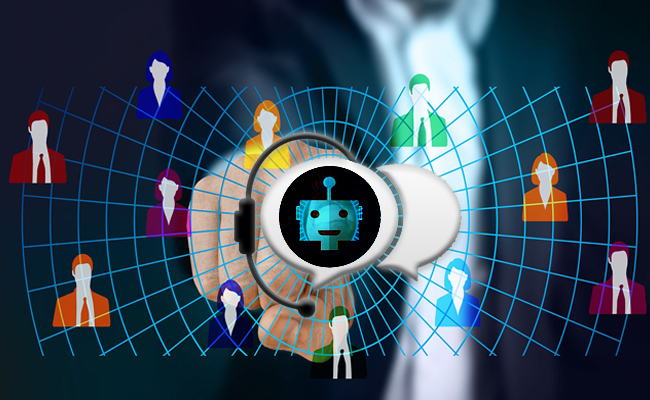
Artificial intelligence (AI) has become a potential tool for organizations seeking to elevate their customer service to new heights. AI technologies offer multiple opportunities to not only streamline and automate customer support processes but also enhance the overall customer experience.
Businesses are utilizing various strategies to improve customer service. These measures include implementing chatbots and virtual assistants to provide immediate customer assistance as well as leveraging advanced predictive analytics to anticipate and meet customer needs.
AI has the potential to revolutionize the way companies interact with their clients but there is still a critical need for skilled human operators. By combining the power of AI and the personal touch, companies can meet customer needs, optimize resource allocation, and continuously improve their services. Autonomous AI for eCommerce, such as Minami, can automate up to 100% of a customer support team’s workload.
In this blog, we will explore innovative ways AI can be used to increase efficiency, increase personalization and ultimately improve customer service.
Key Takeaways
- AI enhances customer service by streamlining processes and improving customer experience through chatbots and predictive analytics.
- Chatbots provide 24/7 support, handle routine queries, and ensure consistent responses, freeing human agents for complex issues.
- AI-driven personalized recommendations increase sales by using customer profiles to suggest relevant products and services.
- Real-time sentiment analysis allows businesses to address issues proactively and foster positive customer engagement.
- The integration of AI tools can revolutionize customer support, making it efficient, personalized, and proactive while enhancing satisfaction.
Table of contents
Chatbots and Virtual Assistants AI
1. Automated Customer Support:
● 24/7 Availability: Chatbots and virtual assistants can provide round-the-clock customer support, ensuring customers can get assistance outside regular business hours.
● Efficient Handling of Routine Queries: AI-powered systems can handle routine and frequently asked questions, such as account enquiries, order tracking, or basic troubleshooting. This frees human agents to focus on more complex issues, improving efficiency.
● Consistency: Chatbots provide consistent responses, eliminating the risk of human error and ensuring that all customers receive accurate answers for frequently asked questions.
● Omnichannel Communication: In addition to chatbots and virtual assistants, AI can support customer communication through email by automatically responding to common enquiries, routing complex issues to the right department, and personalizing follow-up messages. This ensures consistent and timely communication across multiple channels.
2. Personalized Recommendations:
● Customer Profiling: AI algorithms can analyze customer behavior and purchase history to create detailed customer profiles. These profiles help in understanding individual preferences, buying patterns, and interests.
● Tailored Suggestions: AI can make highly personalized product or service recommendations using these profiles. For example, an e-commerce website can suggest products that align with a customer’s past purchases or browsing history, increasing the likelihood of a sale.
● Improved Cross-Selling and Upselling: AI-driven recommendations can identify opportunities for cross-selling complementary products or upselling higher-value items, boosting revenue and enhancing the customer experience.
3. Data Gathering:
● Customer Insights: Chat interactions with customers generate valuable data that can be used to gain insights into customer needs, pain points, and preferences. This data can inform product development, marketing strategies, and service improvements.
● Feedback Collection: Chatbots can solicit customer feedback regarding their experience with the company’s products or services. This real-time feedback collection helps identify areas that need improvement.
● Enhanced Personalization: By collecting data during interactions, chatbots can remember customer preferences and use this information to provide a more personalized experience during future interactions, creating a sense of familiarity and engagement.
Sentiment Analysis and Feedback
1. Real-time Sentiment Analysis:
● Proactive Issue Resolution: Businesses can now analyze customer sentiment in real-time using AI-powered sentiment analysis tools during their interactions with the brand. By analyzing the tone and context of customer messages, businesses can identify potential issues and address them proactively, preventing customer dissatisfaction.
● Enhanced Customer Engagement: Real-time sentiment analysis helps identify positive sentiments as well. Businesses can acknowledge and respond to happy customers, fostering a positive brand image and encouraging loyalty.
● Quick Crisis Management: In an online incident or crisis, real-time sentiment analysis can help companies detect and respond swiftly, mitigating reputational damage.
2. Feedback Processing:
● Multichannel Feedback Collection: Customers provide feedback through various channels, including surveys, social media, emails, and online reviews. AI can automatically collect and centralize input from these sources, ensuring no valuable insights are overlooked.
● Categorization and Prioritization: AI algorithms can categorize feedback based on themes or keywords, making it easier to identify common pain points, recurring issues, or trends. This categorization enables companies to prioritize areas for improvement.
● Actionable Insights: By analyzing feedback data, businesses can gain actionable insights into the specific areas where they need to make changes or enhancements. This data-driven approach helps make informed decisions to enhance products, services, and customer experiences.
Predictive Analytics
1. Customer Behaviour Prediction:
● Demand Forecasting: By analyzing historical customer data and market trends, predictive analytics can forecast future demand for products or services. This enables businesses to proactively manage inventory and ensure product availability when customers need it.
● Churn Risk Identification: Predictive models can analyze customer behavior patterns to identify those at risk of discontinuing their relationship with the company. By recognizing early signs of dissatisfaction, businesses can take preventive actions to retain these customers through targeted offers or improved service.
2. Resource Allocation:
● Efficient Staffing: Predictive analytics can help optimize staff scheduling by forecasting when customer service demand is likely highest. This ensures that adequate support agents are available during peak times, reducing customer wait times and improving service quality. By providing customer service training to these support agents, organizations can empower them to deliver efficient customer support and maximize AI’s potential.
● Resource Allocation: Beyond staffing, predictive analytics can help allocate other resources efficiently, such as call center resources, equipment, and marketing budgets. This optimization ensures that resources are allocated where needed to enhance the overall customer experience.
● Cost Reduction: Efficient resource allocation improves customer service and reduces operational costs by eliminating unnecessary expenses and reducing idle time for support agents.
Voice and Speech Recognition
1. Voice-Activated Support:
● Enhanced Accessibility: Voice-activated systems provide a hands-free, accessible interface for customers with physical disabilities or who prefer a more convenient interaction method. This inclusivity improves customer satisfaction.
● Conversational Interfaces: AI-driven voice recognition can create natural, conversational interfaces for customer support. Customers can voice their queries, and the system can respond with relevant information or actions, mimicking human conversation.
● Efficient Self-Service: Voice-activated support can guide customers through self-service options, such as troubleshooting steps, product information, or account inquiries, reducing the need for agent intervention.
2. Transcription and Analysis:
● Performance Monitoring: AI can automatically transcribe customer service calls, allowing businesses to monitor agent performance and ensure that agents adhere to best practices in customer interactions.
● Quality Assurance: By analyzing transcribed calls, businesses can assess the quality of customer interactions and identify areas for improvement.
● Insight Extraction: AI can extract valuable insights from call transcripts, such as common customer concerns, emerging issues, or opportunities for product or service enhancements. This data-driven approach informs decision-making for service improvements. This data-driven visibility not only improves service delivery but also strengthens the company’s valuation and attractiveness when preparing for selling a service business, as buyers look for predictable performance, documented processes, and customer retention trends.
Conclusion:
The integration of AI technologies such as chatbots, sentiment analysis, predictive analytics, and voice recognition systems has the potential to revolutionize customer service. These AI-driven tools empower businesses to provide efficient, personalized, and proactive support, enhancing customer satisfaction and loyalty.








 has become a potential tool for organisations seeking to elevate their customer service to new heights.)