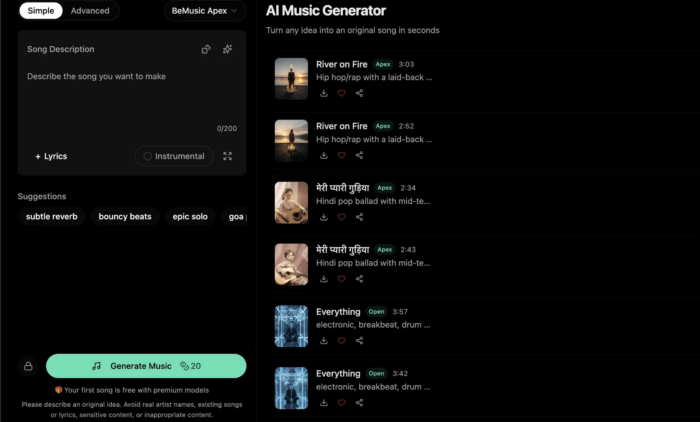
Independent creators are now at the center of the digital content economy. Whether they are producing YouTube videos, podcasts, short-form social content, or online courses, one challenge remains constant: finding the right music that fits their content without facing copyright issues or production delays. Traditionally, music creation required technical knowledge or reliance on stock libraries, both of which limited creative flexibility. AI music technology is changing that.
With the rise of artificial intelligence, this process has changed significantly. AI tools now allow creators to generate original music in minutes, tailored specifically to mood, theme, and content type. This shift has not only simplified production but also given independent creators more control over their creative identity.
As a result, AI music technology is becoming a core part of modern content workflows rather than just an experimental tool.
Key Takeaways
- AI music technology empowers independent creators by enabling quick, original music generation tailored to their content.
- This innovation enhances creative control and eliminates technical barriers, making music creation accessible to all.
- AI music generators allow for consistent audio identity across platforms, aiding brand recognition and audience engagement.
- Creators can transform written ideas into complete songs, drastically reducing production time and complexity.
- AI music tools redefine content creation by integrating sound design from the start, influencing storytelling and brand identity.
Table of contents
- How AI Music Generators Fit Into Modern Content Creation
- Practical Tools Shaping Independent Music Creation
- Expanding Creativity Through Lyrics-Based Song Creation
- Real-World Applications for Independent Creators using AI Music
- Changing the Role of Music in Independent Creation
- Frequently Asked Questions
How AI Music Generators Fit Into Modern Content Creation
AI music generators are increasingly being used as a practical solution for everyday content production. Instead of spending hours searching for suitable background tracks, creators can now generate music that aligns directly with their video or audio content.
This is especially important for independent creators who often work with limited time and resources. The ability to quickly produce original audio helps maintain consistency across platforms while reducing dependency on external libraries or licensing systems.
Speed and Efficiency in Content Production
One of the biggest advantages of AI-generated music is speed. Creators can instantly generate multiple variations of a track without going through long editing or sourcing processes. This allows them to focus more on storytelling and audience engagement rather than technical production challenges. Over time, this efficiency leads to a smoother and more scalable content workflow.
Creative Control Without Technical Barriers
Another important benefit is creative freedom. AI music tools allow users to define mood, genre, and emotional tone without needing formal music training. This removes traditional barriers and makes music creation accessible to a much wider audience. Independent creators can experiment freely until they find the perfect sound that matches their content identity.
Consistency Across Multiple Platforms
For creators working across YouTube, TikTok, podcasts, and blogs, maintaining a consistent audio identity is essential. AI music generator help achieve this by allowing users to create similar style variations of tracks. This consistency helps build stronger brand recognition and improves audience retention over time.
Practical Tools Shaping Independent Music Creation
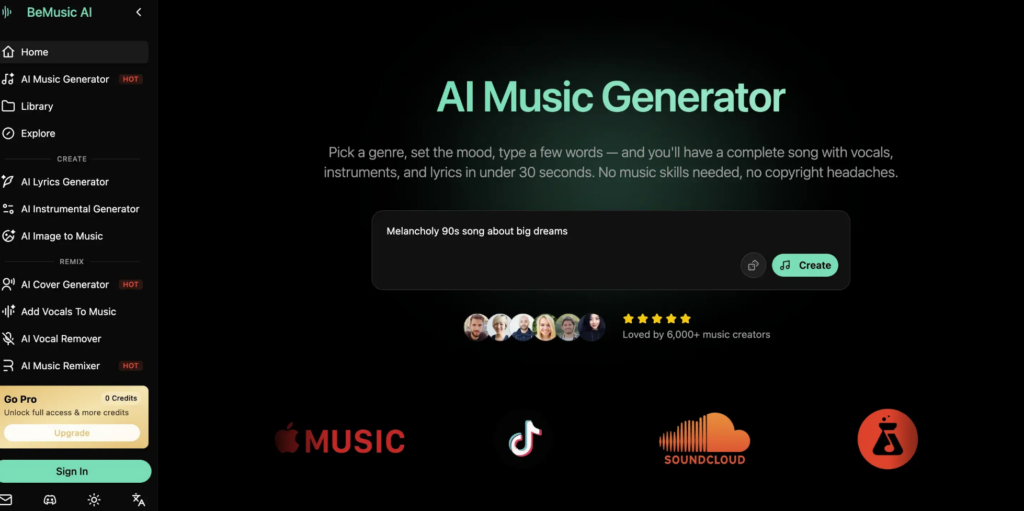
One of the platforms helping creators in this space is BeMusic AI, which offers tools designed for fast and flexible music production.
Creators can use AI music generators to generate original background music based on mood, style, and creative input. This approach is especially useful for independent creators who need quick turnaround times while still maintaining originality. Instead of relying on repetitive stock music, they can create customized audio that better matches their content tone and audience expectations.
Expanding Creativity Through Lyrics-Based Song Creation
Beyond instrumental generation, AI is also changing how songs are created from written ideas. Many independent creators already have concepts, lyrics, or storytelling ideas but lack the technical ability to turn them into complete musical compositions.
This is where modern AI tools become especially valuable. They can transform written lyrics into fully structured songs, including melody, rhythm, and arrangement.
Turning Ideas Into Fully Produced Music
For creators who want to express storytelling through music, this capability removes the need for studio production or advanced music theory. By simply providing lyrics, AI can generate a complete track that reflects the intended emotion and structure of the content.
New Opportunities for Independent Artists and Creators
This feature is not limited to musicians alone. Content creators, marketers, and educators can also use it to produce original songs for campaigns, intros, or storytelling formats. It opens up new ways to engage audiences through personalized and creative audio experiences.
Faster Path From Concept to Output
Instead of moving through multiple production stages, creators can go directly from idea to finished product. This significantly reduces production time and encourages more experimentation, especially for individuals who want to test different creative directions quickly.
Creators can explore this capability using tools that help them create songs from lyrics, allowing written ideas to be transformed into complete musical tracks without traditional production complexity.
Real-World Applications for Independent Creators using AI Music
AI music generators are being used in a variety of practical ways across different creator communities. YouTube creators often generate intro music, background tracks, and transition sounds to create a more professional viewing experience. Podcasters use AI-generated intros, outros, and ambient background music to strengthen their show’s identity.
Short-form content creators on platforms like TikTok and Instagram frequently generate 10–30 second high-energy clips that match fast-paced videos and trends. Online educators often prefer low-interference background music that helps maintain audience attention without distracting from lessons or presentations.
Independent artists are also using AI tools to transform written lyrics into complete song demos, allowing them to test ideas and experiment with new concepts before investing in full-scale music production.
Changing the Role of Music in Independent Creation
AI music tools are redefining how independent creators approach sound design. Music is no longer a secondary element added at the end of production—it is now integrated into the creative process from the beginning.
This shift allows creators to think more strategically about how audio influences storytelling, engagement, and brand identity. As AI tools continue to evolve, they will likely become even more deeply embedded in everyday content creation workflows.
Frequently Asked Questions
Are AI music generators suitable for professional content creation?
Yes, many independent creators and small production teams already use AI-generated music for professional content, including YouTube videos, podcasts, and marketing materials.
Do I need musical experience to use AI music tools?
No, AI music generators are designed for beginners. Users simply select mood, genre, and style preferences, and the system handles the composition automatically.
Can AI-generated music be used across different platforms?
In most cases of AI music, yes. However, usage rights depend on the specific platform’s licensing terms, so it is always recommended to check before publishing commercially.