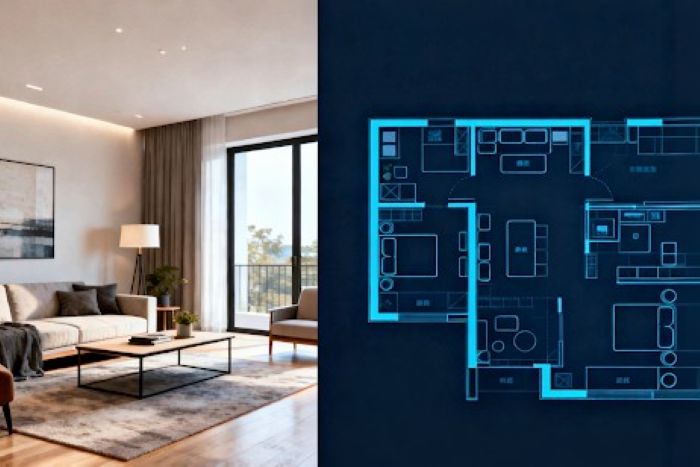
Technology has transformed almost every industry, and home design is no exception. Artificial intelligence has become one of the most powerful innovations in modern architecture and interior planning. Traditional methods of designing homes often require extensive planning, manual sketches, and multiple revisions. Today, advanced AI home design is changing how people create and visualize living spaces. The rise of house design AI platforms has introduced faster, smarter, and more efficient ways to design homes using intelligent systems and automation.
AI-driven tools now allow homeowners, architects, and designers to create highly customized layouts and realistic room concepts with minimal effort. By using machine learning algorithms and advanced data analysis, these platforms can generate design suggestions that align with user preferences and current design trends.
Key Takeaways
- Artificial intelligence revolutionizes home design by automating complex planning processes and providing personalized design solutions.
- AI house design utilizes machine learning, computer vision, and cloud computing to generate optimized layouts based on user preferences.
- AI room design free tools are gaining popularity due to their accessibility, speed, and cost-effectiveness, empowering homeowners.
- Modern AI-based platforms offer smart features like automated layout suggestions, virtual room simulations, and real-time adjustments.
- The future of house design AI may include innovations like augmented reality experiences and voice-controlled design assistants.
Table of contents
Understanding AI Home Design Technology
House design AI refers to artificial intelligence systems developed specifically for home planning, architectural visualization, and interior design. These systems use advanced technologies such as machine learning, computer vision, and data processing to create personalized home designs.
Unlike traditional design software that relies heavily on manual input, AI systems can learn patterns and automatically generate recommendations based on user behavior and preferences.
The technology works by analyzing several factors, including:
- Room dimensions
- Design styles
- Furniture placement
- Color combinations
- Lighting conditions
- Space functionality
By processing this information, AI platforms can produce optimized layouts that improve both appearance and usability.
How Artificial Intelligence Is Changing Home Design
Artificial intelligence introduces automation into a process that previously required large amounts of human effort. Instead of manually experimenting with countless design possibilities, users can now generate realistic concepts within seconds.
AI systems provide smart recommendations by understanding design principles and user requirements. The system continuously improves its suggestions through machine learning techniques, making future recommendations even more accurate.
Several technologies power modern house design AI solutions:
Machine Learning Algorithms
Machine learning enables AI systems to recognize design patterns and predict user preferences. As users interact with platforms, the system gathers data and learns which styles, colors, and layouts are most appealing.
Computer Vision Technology
Computer vision allows AI software to analyze room images and identify objects, dimensions, and spatial arrangements. This technology helps users upload room photos and instantly receive design recommendations.
Cloud Computing Integration
Cloud technology plays an important role in AI home design platforms. It enables users to process complex visual data without requiring high-performance hardware. Cloud systems store and manage large amounts of design information efficiently.
3D Visualization Systems
Modern AI tools use advanced rendering engines to generate highly realistic 3D room previews. Users can experience virtual representations of their future spaces before making renovation decisions.
The Growing Popularity of AI Room Design Free Tools
The demand for AI room design free solutions has increased significantly as technology becomes more accessible. Homeowners are actively searching for affordable and efficient design tools that provide professional results without requiring expensive software or consultants.
Free AI design platforms offer several advantages:
- Easy accessibility
- Faster design generation
- Cost savings
- User-friendly interfaces
- Instant room visualization
These tools help users experiment with multiple design concepts before investing money in furniture, decoration, or remodeling projects.
Many AI platforms also provide customizable templates that simplify the design process for beginners.

Smart Features in AI Home Design Platforms
Modern AI room design systems include numerous intelligent features that improve user experience and design accuracy.
Automated Layout Suggestions
AI can automatically create room layouts by analyzing available space and suggesting optimized furniture arrangements.
Style Recognition
Artificial intelligence can recognize design themes such as:
- Minimalist design
- Modern interiors
- Traditional styles
- Industrial layouts
- Luxury home aesthetics
Users can select preferred themes and instantly receive matching suggestions.
Virtual Room Simulation
AI-powered platforms can generate interactive room simulations where users can virtually walk through designed spaces.
Real-Time Adjustments
Users can modify colors, furniture, textures, and layouts in real time while receiving immediate visual feedback.
Benefits of House Design AI Technology
Artificial intelligence offers numerous benefits for homeowners and design professionals.
Improved Efficiency
Traditional design methods often require multiple revisions and extended planning periods. AI significantly reduces the time needed to create complete design concepts.
Enhanced Accuracy
AI home design systems use data-driven calculations to maximize space utilization and improve functionality.
Personalized Experiences
Every user has unique preferences. AI analyzes behavior patterns and delivers customized recommendations tailored to individual needs.
Reduced Design Costs
By automating many aspects of planning and visualization, AI reduces the need for expensive design consultations.
Better Decision-Making
Realistic visual previews help users understand how final spaces may appear before making purchases.
Future Innovations in AI Home Technology
Artificial intelligence continues evolving rapidly, and future developments may introduce even more advanced features into home design.
Potential innovations include:
- AI-powered smart home integration
- Augmented reality room experiences
- Voice-controlled design assistants
- Real-time architectural analysis
- Fully automated interior customization
As technology advances, AI systems will become increasingly capable of understanding user behavior and creating highly personalized environments.
Conclusion
The emergence of house design AI technology is transforming the future of home planning and interior design. Artificial intelligence combines machine learning, computer vision, and smart automation to create efficient and personalized design experiences.
As demand for AI home design free platforms continues growing, more people can access advanced tools previously limited to professionals. AI-driven design technology is making home creation smarter, faster, and more innovative while helping users turn their ideas into reality through intelligent digital solutions.