For years, discussions about artificial intelligence have focused on one question. Which jobs will AI replace? AI-Fluent leaders in human resources often appears in that debate. But most HR teams no longer question whether they will adopt AI.
They are figuring out which aspects of automation supplement those that require human judgment. That separation will determine the next stage of the profession.
All organizations face their own set of increasing challenges. These include efficient hiring, meeting requirements, enhanced employee experience, and data-driven decision-making. In response, HR is playing a more integral part in the business.
Key Takeaways
- HR teams no longer question AI adoption; they focus on how automation can support human decision-making.
- AI enhances recruitment processes by screening applicants and identifying suitable candidates, but human judgment remains essential.
- Governance is crucial in HR strategy, addressing issues like data privacy and fairness in AI decision-making processes.
- Workforce planning benefits from AI analytics, yet HR leaders must drive context and human involvement for effective outcomes.
- Organizations will harness AI to empower HR professionals, emphasizing the human aspects over mere automation.
Table of contents
- How HR is Taking a Greater Role in Business Strategy
- What AI-Fluent Leaders Change in Recruitment, and What It Doesn’t
- Trust Depends on Fair Systems and Human Review
- Why Governance Now Sits at the Center of AI-Fluent HR Strategy
- Workforce Planning Becomes the Test of Modern HR
- Where HR Creates the Greatest Value
How HR is Taking a Greater Role in Business Strategy
Historically, Human Resources (HR) was primarily responsible for compliance, recordkeeping, and payroll.
HR leaders are now more like strategic partners, according to Deloitte’s Global Human Capital Trends. Their emphasis is on organizational agility, employee engagement and leadership development.
Today’s success involves a combination of traditional skills, data analytics, psychology, and new technology. There is now a shift away from administration toward the central event. Teams now concentrate more on what matters when routine tasks are automated. It enables future planning and employee development, helping the company move forward.
What AI-Fluent Leaders Change in Recruitment, and What It Doesn’t
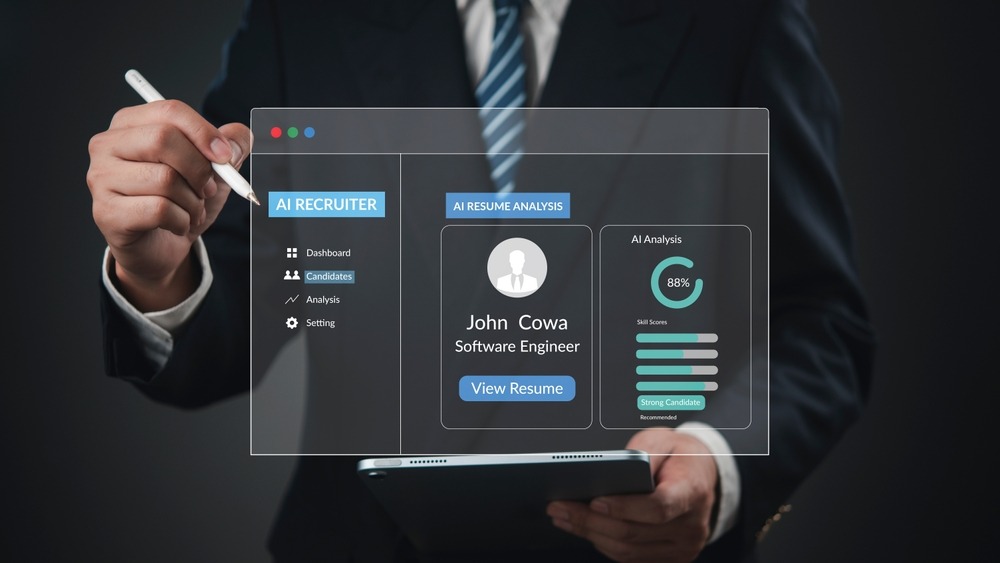
Images: AI helps in screening and assessing candidates | Shutterstock
One of the most apparent examples of AI use is in recruitment. AI-powered tools are increasingly adopted for:
- Screen large applicant pools
- Identify passive candidates
- Match skills to job requirements
- Generate candidate outreach
- Predict hiring success
- Analyze workforce trends
These help with a quicker, more consistent hiring process.
But hiring is more than simply qualifications. Context matters. A candidate’s adaptability, communication style and leadership qualities, among others, don’t always translate to numbers.
Deviating from human judgment and overreliance on an AI for hiring can lead to trouble because the data behind it is biased. Best hiring results still need a human touch.
Trust Depends on Fair Systems and Human Review
A hiring model might not even realize it is running in the same mode as before. If historical data is overwhelming and yields unequal results, AI can replicate that in candidate ranking and promotion suggestions, as well as in workforce analytics.
The impact can be seen in hiring recommendations, candidate scoring, promotion decisions, and workforce analysis.
Bogen and Rieke state that organizations need to establish governance frameworks that enable continual monitoring, validation, and review of decisions made with AI support. HR professionals are key players in that dynamic, as they assess the impact on workers and closely monitor AI.
Trust is also related to psychological safety. Employees need to be very comfortable when raising concerns, admitting mistakes, and proposing new ideas for a project.
However, if your company wants AI to be involved in hiring and evaluations, ensure that its decisions are still manually reviewed each time. Effective communication will result in problems being identified sooner and increase trust in systems used in the workplace.
Why Governance Now Sits at the Center of AI-Fluent HR Strategy
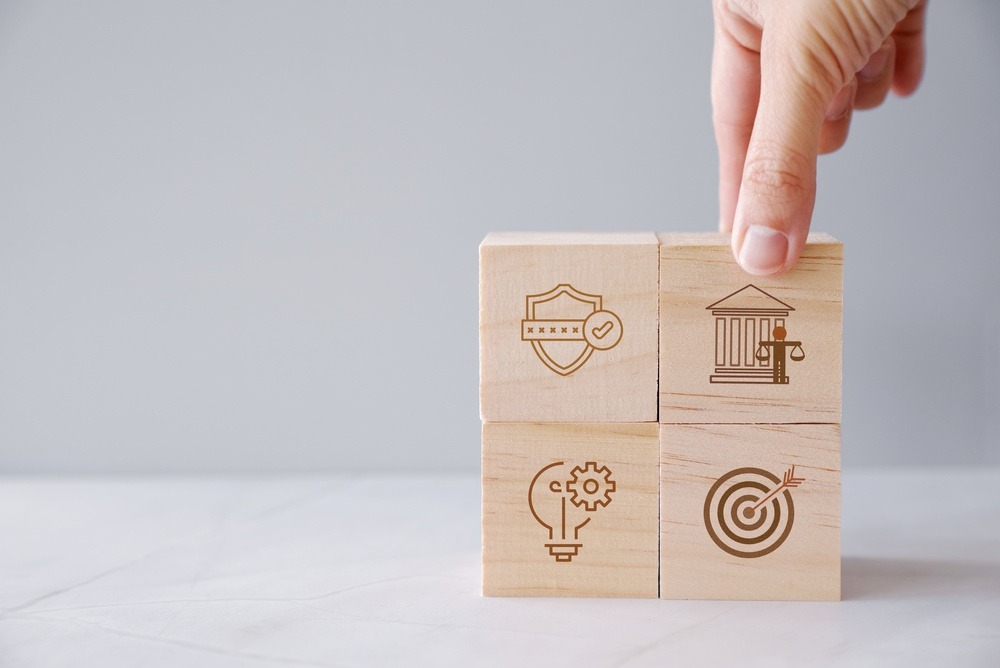
Images: Strong governance helps guide responsible workplace decisions | Shutterstock
Compliance has been viewed as a support function and a business advantage.
Organizations face growing focus on data privacy, employee monitoring, AI decision-making processes, candidate data protection, workplace equity, and employment laws. The tasks were becoming more complex as more people used AI.
Governance doesn’t usually reside in one department. Executive, legal, tech, and HR have all played a role in the selection, monitoring, and review of AI.
Workforce Planning Becomes the Test of Modern HR
One of the greatest opportunities for AI-fluent leaders is in workforce planning. Analytics tools can detect areas where skills are lacking, potential attributes, opportunities to move employees, leadership information, and future talent needs. But information won’t turn into value on its own.
HR leaders make decisions about what to do. Technology can identify patterns. Succession planning, talent mobility and skills development continue to be important and involve business context, change management and human judgment.
Four priorities stand out amid these challenges:
| Priority | Description |
| Intelligent Recruitment | A combination of AI and human touch for a seamless hiring process. |
| Good Governance | Transparency, fairness, and accountability in every workforce decision. |
| Psychological Safety | A healthy environment that encourages employees to express their ideas and concerns freely. |
| Strategic Workforce Planning | Using workforce data to support long-term growth and business success. |
Where HR Creates the Greatest Value
HR’s future won’t be dictated solely by technology. Automation, information analysis, and increasing the efficiency of operations are possible with AI-fluent leaders. It doesn’t establish trust, but it does address difficult workplace challenges, foster belonging, or maintain psychological safety.
It’s still humans who are responsible for those duties.
Forward-looking organizations will not look to replace HR with AI. They will equip HR professionals to use AI intelligently while strengthening the human elements that will help organizations perform better.