In the ever-evolving digital world, there is no denying that biomanufacturing and the biotech industry as a whole have spearheaded health and environmental improvements on a global scale. In fact, it has advanced so well that the worldwide biotech market is predicted to reach a net worth of $2.44 trillion by the year 2028. From operational streamlining to the well-known benefits of human microbiome, gene therapy, immunotherapy, gene editing, and much more, it all plays an intricate role in the biotech successes presented today. These successes have improved life quality.
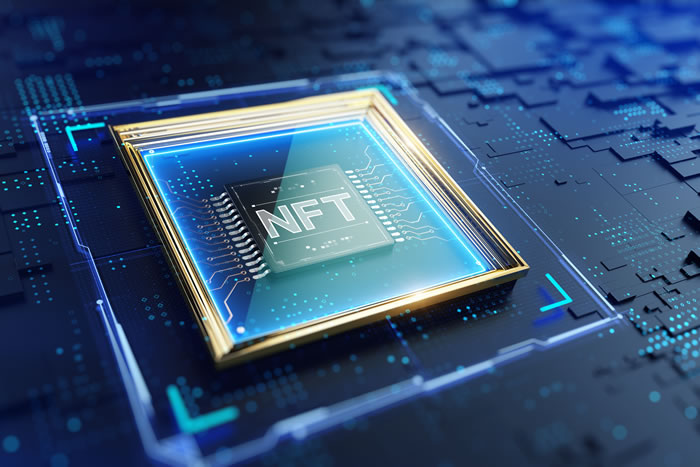
But there is another rising aspect that is helping biotech revolutionize to new levels. It is the introduction of blockchain. Though blockchain to this day still faces skepticism and regulatory hurdles, it has concretely instilled positive advancements in the biotech space. For example, it helps in controlling and protecting genomic data. What is even more impressive is that InvicTech, LLC, a leading biomanufacturing company based in Louisville, has a series of downloadable microfluidic chips. They have recently transformed these into non-fungible tokens (NFTs). This pioneering effort has opened the doors to a new wave of dynamic innovation.
Key Takeaways
- Biomanufacturing and biotech are driving global health improvements, with the market projected to reach $2.44 trillion by 2028.
- Blockchain technology is emerging in biotech, enhancing security and data management, especially through NFTs from InvicTech, LLC.
- InvicTech, LLC aims to use NFTs to simplify lab processes and inspire broader adoption of blockchain in the biotech industry.
- NFTs provide unique assets, increasing data accuracy and reducing security risks in pharmaceutical development.
- The future of biotech depends on leveraging NFTs and blockchain for innovative advancements and sustainable growth.
About an Alternative Commercial Approach
InvicTech, LLC is composed of technology, science, and medical experts who all have the same underlying mission. They aim to reshape the future of medicine using cutting-edge bioprinting.
Currently, they are proactively working towards developing their own proprietary bioprinter. They were primarily focused on developing the aforementioned products up until recently. After catching wind of the blockchain and Defi potentials, the team shifted their trajectory. Their objectives now include drawing attention and awareness to the flexibility of NFTs and blockchain technology. They are unearthing how these tools might be valuable within the biotech space. With that new goal post set, it became the catalyst for InvicTech, LLC to not only demonstrate how NFTs can simplify lab processes but also inspire other biotech companies to adopt NFTs and blockchain technology. These would help powerhouse new projects of their own.
Impacts of NFT on the Biotech Space
After much trial and error experimentation to obtain the developments they feature today, it didn’t take long for the InvicTech, LLC team to recognize the monumental benefits that NFTs can have in biotech development and beyond. According to CEO Patrick Yopp, their chips are able to serve as a set of standardized tools that can make lab operations simpler. Additionally, these chips can be resold after downloading to help boost R&D budgets. Some other impacts include:
- NFT assets are fungible, meaning they are each unique and no two are the same. This reduces/eliminates the risk of security breaches and counterfeiting due to the special coding and coinciding metadata.
- Helps the pharmaceutical industry create new drugs while guaranteeing user privacy in regards to sensitive information.
- Removes the need for a central server and offers a more secure decentralized one.
- Offers a secure and incorruptible ledger system, which equates to a rise in data accuracy.
- Gives drugmakers the reduced risk of having to face lengthy delays that could potentially jeopardize the product’s shelf life.
These very reasons, in conjunction with NFTs being able to help companies develop higher technological capacity and blockchain-based products in record times, are why InvicTech, LLC, released the NFTs derived from their downloadable microfluidic chips. Furthermore, they are continuously revamping as new investigative data and insights emerge. This leads to the release of a new NFT in the near future as well.
Conclusion – The Future of Biotech and NFTs
Blockchain technology has been booming since 2011, and NFTs have been utilized in various industries on a large scale, especially within the art industry. Here, they are used to tokenize these real-world, tangible items. The potential that this technology has proven itself to unlock new levels of business growth and scalability. It has promoted authenticity and trust amongst all parties involved. As for NFTs, this crypto token is managed by blockchain, which has recently taken center stage in awareness after a digital art piece sold for nearly $70M. Along with that, NFTs have been used to set property rights, secure people’s identities, and much more in recent years. These make it a fundamental resource in the biotech development that InvicTech, LLC has since recognized.
Overall, this system of recording information in a seemingly hack-free way makes it such a valuable asset across the board. InvicTech, LLC has showcased this by creating NFTs from their downloadable microfluidic chips. Yes, blockchain is still very much a new area in society. There is still a lot of work to be done to make it more mainstream. However, with innovations that are manifesting and rising, it will be exciting to see how biotech processes inspired by NFTs will promote new experimentations using blockchain. This is likely to occur in the upcoming years.