
The dashcams stuck to your windshield, the watch on your wrist, the little camera over your porch — none of them were built to win a lawsuit. Yet they increasingly do exactly that. Injury claims that once came down to one person’s memory against another’s now come with timestamps, footage, and hard numbers attached, and as any experienced personal injury lawyer in Topeka will tell you, the strongest evidence often turns out to be the tech a client was already carrying.
Here’s how the devices you own are changing these cases, and how to make that work in your favor instead of against you.
Key Takeaways
- Everyday technology, such as dashcams and wearables, transforms personal injury claims by providing neutral evidence.
- Dashcams capture crucial moments in car accidents, clarifying fault and conditions that witness statements cannot.
- Wearables track health data over time, revealing activity changes that support injury claims.
- Home devices, like security cameras and phones, also provide valuable evidence for legal cases.
- Properly preserving and handling digital evidence is vital; involve a lawyer early to secure critical data.
Table of contents
Why Everyday Tech Matters in an Injury Claim
Consumer technology matters because it produces something testimony can’t: a neutral record. Insurance adjusters make their living on doubt. Were you really hurt? Were you where you say you were? Who actually ran the light? Data tends to answer those questions before anyone gets the chance to spin them.
Three things are driving the shift:
- The devices are everywhere. Fitness trackers and smartwatches have moved from novelty to normal, and a dashcam is now about as common in the glovebox as a phone charger.
- Everything is timestamped. A clip or a heart-rate spike tied to a precise moment does what a witness statement rarely can — it corroborates.
- Juries lean on it. Footage and figures read as neutral in a way that a person’s account, however sincere, sometimes doesn’t.
Ten years ago, a client’s recollection was often the only surviving record of a crash. Now the moment itself is frequently sitting on a memory card, waiting to be pulled off.
Dashcams: Your Silent Witness on the Road
In a car accident claim, a dashcam is often the most valuable thing you own. It captures the two or three seconds that decide everything — who braked, who drifted, who was looking at a phone instead of the road.
What Dashcam Footage Can Prove
Video tends to settle the arguments that otherwise drag on for months:
- Fault and sequence. It shows plainly who entered the intersection first.
- Conditions. Rain, black ice, a signal knocked sideways in the wind — all of it can matter.
- Behavior. Speeding, tailgating, an abrupt lane change. On film it’s a fact, not an allegation.
Picture a driver rear-ended at a red light who then gets accused of “stopping short.” Their dashcam shows the car had been fully stopped for four full seconds before impact. Suddenly there’s nothing left to argue about.
Getting the Most From Your Dashcam
Footage only helps if it survives the drive home. When something happens:
- Stop the recording or lock the file so the camera doesn’t loop over it.
- Back the clip up to your phone or the cloud before you leave the scene.
- Keep the original untouched, and note the time it was recorded.
Wearables: The Data Under Your Sleeve
Smartwatches and fitness trackers do something quieter but just as useful: they document how an injury plays out over weeks and months. They keep a record of the things your body struggles to put into words.
How Health Data Supports a Claim
The numbers can show the shape of a recovery — or the lack of one:
- A collapse in activity. Someone who logged 9,000 steps a day before a crash and 1,200 after has a measurable case for limited mobility.
- Broken sleep. Chronic pain often shows up first as nights that never quite settle.
- The impact itself. Some devices catch the heart-rate spike at the moment of a collision.
After a slip-and-fall, a claimant might say the back injury has kept them off their feet. A fitness tracker showing a sharp, sustained drop in movement starting on the exact day of the fall turns that claim from assertion into evidence.
A Word of Caution with Dashcams
The same data can sink you. If your tracker shows a 5K the week you told an adjuster you couldn’t stand, the defense will find it — this is the first place they look now. Be straight about what happened, and let your attorney decide what’s worth putting forward.
Home and Phone Tech That Quietly Builds Your Case
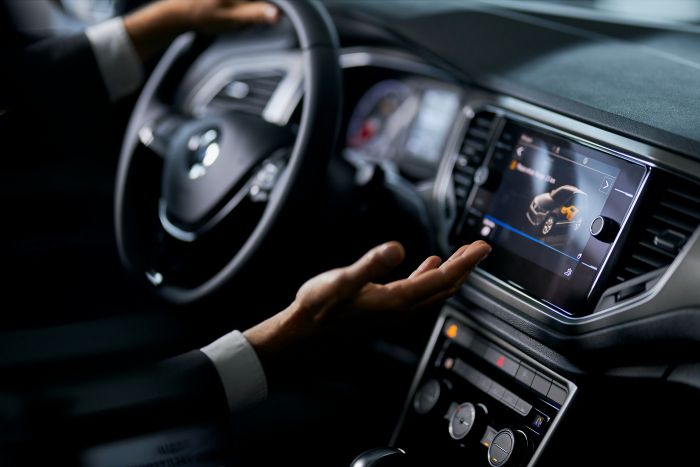
Cars and wristbands get the attention, but the devices in your home and pocket tip plenty of cases too. Useful evidence is usually closer than people expect.
- Doorbell and security cameras that catch a fall, a botched delivery, or a neighbor’s loose dog.
- Phone photos that quietly stamp the scene with a time and a location.
- Ride-share and map apps that confirm your route, your speed, and where you actually were.
- The vehicle’s own black box, logging speed, braking, and seatbelt use in most modern cars.
How to Use Your Digital Dashcams Evidence the Right Way
The best evidence in the world is useless if it’s mishandled, and it’s easy to mishandle. A few habits protect it:
- Preserve, don’t edit. An original, untouched file carries far more weight than a cleaned-up one.
- Move fast. Cameras loop, cloud storage lapses, phones get lost or replaced.
- Note where it came from. The device, the time, and how you saved it all matter later.
- Bring in a professional early. A good attorney can track down and lock in data you’d never think to ask for — including footage from a business across the street — before it’s gone.
When to Involve an Attorney
Call one as soon as there are real injuries or a fight over who’s at fault. Lawyers can send preservation letters that legally require the other side to hang onto evidence, and, just as important, they know which of your data will actually move an adjuster or a jury and which is just noise.
The Bottom Line
Everyday technology has quietly turned ordinary people into their own best witnesses. The camera recording your commute and the watch counting your steps are building a record that can stand up for you when it counts.
You don’t have to understand any of it deeply. You just have to know the data exists, keep it safe, and hand it to someone who knows what to do with it. In a world that records more of itself every year, that alone is one of the most useful things you can carry.