Financial management can be a daunting process. Receipts stack up, figures turn into mush, and minor errors become huge problems in the long run. To make matters worse, maintaining records as you conduct daily operations may also consume your concentration and energy. You can spend hours reconciling accounts, only to wonder if everything is truly accurate. The pressure never lets up, leaving little time or mental space to plan or grow. Luckily, technology has transformed the way financial records are processed. Automated bookkeeping eliminates manual, tedious tasks in favor of well-organized and dependable systems that are never faced with human error. You become clearer and more in control, as opposed to pursuing figures.
This article describes the benefits of automated bookkeeping in terms of saving your time, minimizing errors, and managing finances in a more efficient way.
Key Takeaways
- Automated bookkeeping simplifies financial management by reducing manual tasks and errors.
- It ensures quick data input by retrieving information directly from linked accounts.
- Automated systems maintain uniform organization of financial records, facilitating easier comparisons and audits.
- Real-time financial visibility allows for timely decisions and improved planning based on current data.
- Automation frees up time for strategic decisions, enhancing overall financial management efficiency.
Table of contents
- 1. Quick Data Input with No Manual Problems
- 2. Minimized Human Factor with Intelligent Systems
- 3. Uniformity in Organization of Financial Records
- 4. Real-Time Financial Visibility
- 5. Less Complex Compliance and Documentation
- 6. Improved Focus on Strategic Decisions
- 7. Scalable Systems That Grow with You
- Bringing it All Together
1. Quick Data Input with No Manual Problems
Most people underestimate the time spent in manual data entry. All invoices, expenses, and payments are to be typed, classified, and verified. Automated bookkeeping transforms this process completely by retrieving information straight from the linked accounts and tools.
There are platforms such as doola that support business owners by streamlining financial workflows, helping ensure transactions are properly captured and organized without constant manual input. You no longer have to set aside hours to do basic recordkeeping.
Rather, financial data flows are constant, and that keeps your records up to date. Furthermore, the increased speed of data entry enables you to devote more time to the insights review instead of operating with figures. This change itself can save a number of hours per week.

2. Minimized Human Factor with Intelligent Systems
Even the most experienced professionals are prone to making mistakes when typing in information. A single, wrongly placed decimal or missing transaction will skew the reports and cause confusion in the future.
Automated bookkeeping reduces such risks with the help of predetermined rules and intelligent classification. Also, inconsistencies are detected immediately through automation. As an example, in case a transaction does not correspond to an existing category, the system draws attention to it.
This proactive practice minimizes the possibility of unknown mistakes. In the long run, cleaner data creates credibility in your financial reports. Therefore, decisions are made using correct information instead of assumptions.
3. Uniformity in Organization of Financial Records
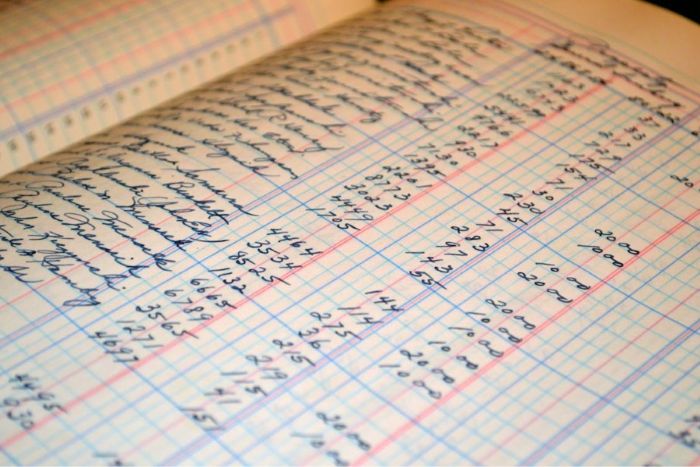
Manual maintenance of financial records is hard. The files become disorganized, and categories can be altered based on who is keying in the data. Automated bookkeeping implements uniform rules for all transactions.
Due to this consistency, reports will always be similar month after month. Income, expenses, and liabilities are arranged in the same format, and therefore comparisons are made with ease.
Moreover, systematized records ease auditing and check-ups. Having everything in a well-defined system, you can find what you need in a short period of time without having to sort through spreadsheets or paperwork.
4. Real-Time Financial Visibility
Late bookkeeping results in out-of-date information. When records are behind you, you are making decisions using partial data. Automated bookkeeping addresses this problem by updating financial data on a continuous basis.
You have the ability to monitor the cash flow in real-time. This transparency assists you in reacting fast to the trends, whether it is altering expenditure or planning ahead. Moreover, prompt data also enhances planning. You do not make guesses about the future, but use the present figures, which indicate real performance.
5. Less Complex Compliance and Documentation
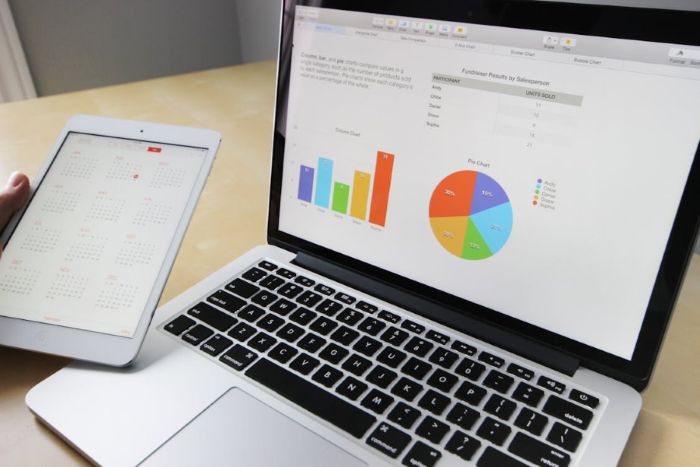
Accuracy and consistency are required in compliance requirements. Missing documents or wrong classifications may cause unnecessary complications. Automated bookkeeping keeps a good record of all the transactions, creating a credible paper trail.
In addition, automated systems keep documents safe and connect them directly to entries. Invoices, receipts, and payment confirmations remain linked to appropriate records.
Such a system makes reporting simpler and eliminates the stress at the last minute. Compliance can be a normal process and not an annoying task when the documentation is easily accessible.
6. Improved Focus on Strategic Decisions
Time spent on manual bookkeeping is time taken away from strategy. Automation frees you from repetitive tasks, allowing you to focus on higher-value activities. Instead of entering data, you analyze trends and plan next steps.
Furthermore, automated reports present information in a clear, digestible format. You can identify strengths, spot inefficiencies, and adjust strategies confidently. This shift from task-based work to insight-driven decision-making strengthens overall financial management.
7. Scalable Systems That Grow with You

As financial activity increases, manual bookkeeping becomes harder to manage. More transactions mean more opportunities for errors and delays. Automated bookkeeping scales effortlessly, handling higher volumes without sacrificing accuracy.
Because systems adjust automatically, you do not need to rebuild processes as activity grows. This flexibility ensures long-term efficiency. In addition, scalable bookkeeping supports sustainable growth by keeping financial data organized regardless of size or complexity.
Bringing it All Together
Automated bookkeeping transforms how financial records are managed by replacing time-consuming manual tasks with efficient, reliable systems. Automating data entry, reducing errors, and maintaining consistent organization creates a clear financial picture you can trust.
Real-time visibility improves planning, while built-in documentation supports smoother compliance. Most importantly, automation frees your time and mental space, allowing you to focus on decisions that truly matter.
Many modern bookkeeping tools now integrate directly with banking and business management platforms, improving accuracy and reducing administrative overhead – further strengthening the reliability and efficiency that automated systems deliver.
Instead of reacting to financial confusion, you gain control through accuracy and structure. Over time, this clarity leads to better outcomes, less stress, and a more confident approach to managing finances.