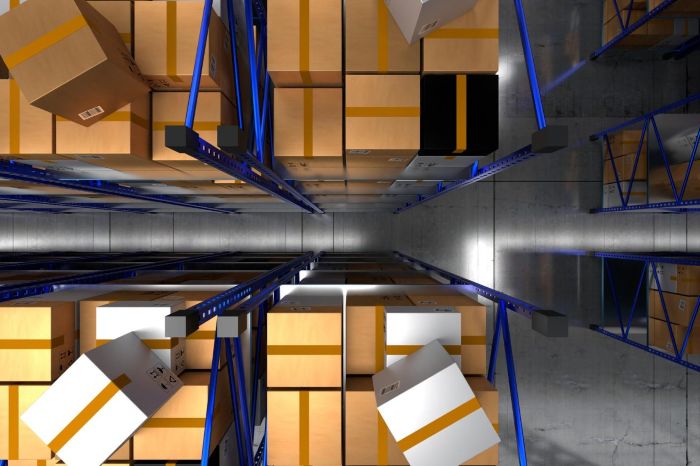
E-commerce has moved far beyond simple online storefronts and basic shipping operations. Today, the speed, reliability, and intelligence of order fulfillment play a defining role in whether an online business grows or falls behind. At the center of this shift are modern fulfillment centers—highly optimized, technology-driven facilities that are reshaping how products move from seller to customer.
These centers are no longer just warehouses storing inventory. They are dynamic logistics hubs designed to process orders faster, reduce costs, and improve customer experience at scale. As consumer expectations continue to rise, fulfillment has become one of the most important competitive advantages in e-commerce.
Key Takeaways
- Modern fulfillment centers serve as dynamic logistics hubs that enhance order fulfillment speed, reliability, and customer experience.
- They utilize automation and advanced software to manage inventory and order processing in real-time, enabling businesses to scale without complexity.
- Cost optimization occurs through efficient workflows and better shipping rates, allowing businesses to reinvest savings into growth strategies.
- Modern fulfillment centers improve customer experience through faster delivery, consistent packing, and enhanced visibility across inventory and order status.
- They also facilitate global expansion by simplifying logistics and enabling e-commerce businesses to serve international markets effectively.
Table of contents
- From Storage to Smart Logistics Hubs
- Speed as a Growth Engine
- Automation and Operational Efficiency
- Scalability Without Complexity
- Better Inventory Visibility and Control
- Cost Optimization Through Smart Logistics
- Enhancing Customer Experience
- Enabling Global Expansion
- The Future of E-Commerce Fulfillment
- Conclusion
From Storage to Smart Logistics Hubs
Traditional warehousing was primarily about storage: goods arrive, sit on shelves, and are shipped out when needed. Modern fulfillment centers operate on an entirely different model. They are built for speed, automation, and real-time coordination.
Instead of passively holding inventory, these facilities actively manage the flow of products using advanced software systems. Orders are processed the moment they are placed, inventory is automatically updated across sales channels, and shipping routes are optimized instantly. This shift from static storage to intelligent logistics execution is one of the biggest drivers of e-commerce scalability today.
Speed as a Growth Engine
Fast delivery has become a baseline expectation rather than a premium feature. Customers now expect same-day or next-day shipping as standard, and businesses that fail to meet these expectations often lose customers to competitors who can.
Modern fulfillment centers make this level of speed possible through strategically located warehouses, optimized picking systems, and automated sorting processes. By positioning inventory closer to end customers, shipping times are drastically reduced. This not only improves satisfaction but also increases conversion rates, as customers are more likely to complete purchases when fast delivery is guaranteed.
Speed also directly impacts brand perception. In many cases, customers associate faster delivery with higher reliability and professionalism, even if product quality is identical.
Automation and Operational Efficiency
One of the most transformative aspects of modern fulfillment centers is automation. Robotics, conveyor systems, and intelligent sorting technologies have significantly improved the efficiency of warehouse operations.
Instead of manually searching aisles for items, workers are often assisted by automated systems that bring products directly to them. This reduces picking time, minimizes human error, and allows for significantly higher order volumes without increasing labor costs at the same rate.
In addition, warehouse management software continuously analyzes demand patterns, helping businesses predict which products will move faster and where inventory should be allocated. This predictive capability reduces overstocking and stockouts, both of which can harm revenue and customer satisfaction.
Scalability Without Complexity
For many e-commerce businesses, growth creates logistical challenges. More sales mean more orders, more inventory, and more operational complexity. Without the right infrastructure, scaling can quickly become overwhelming.
This is why many growing brands choose to rely on an e-commerce fulfillment partner to handle storage, packing, and shipping efficiently as demand increases. Modern fulfillment centers solve this problem by offering scalable infrastructure that grows alongside the business. Instead of investing heavily in warehouses, staff, and logistics systems, businesses can outsource fulfillment to specialized providers.
This allows companies to focus on marketing, product development, and customer acquisition while leaving operational execution to logistics experts. As a result, even small or mid-sized businesses can compete with large enterprises in terms of delivery speed and reliability.
Better Inventory Visibility and Control
Accurate inventory management is critical in e-commerce. Overselling products that are out of stock or failing to restock in time can lead to lost revenue and customer dissatisfaction.
Modern fulfillment systems provide real-time inventory visibility across all sales channels. Whether a product is sold through a website, marketplace, or multiple platforms, stock levels are updated instantly. This prevents errors and ensures businesses always know exactly what they have available.
This level of transparency also enables smarter decision-making. Businesses can identify top-performing products, adjust pricing strategies, and plan replenishment cycles more effectively.
Cost Optimization Through Smart Logistics
While speed and technology are often the most visible benefits, cost efficiency is equally important. Fulfillment centers are designed to reduce operational costs through optimized workflows, bulk shipping discounts, and efficient space utilization.
By consolidating orders and leveraging established carrier relationships, fulfillment providers can often secure lower shipping rates than individual businesses could achieve on their own. Additionally, automation reduces the need for large labor forces, lowering long-term overhead costs.
These savings can then be reinvested into marketing, product development, or expanding product lines—fueling further growth.
Enhancing Customer Experience
Customer experience is now one of the most important differentiators in e-commerce. Product quality alone is no longer enough to ensure loyalty. Delivery speed, packaging quality, and order accuracy all play a major role in shaping customer perception.
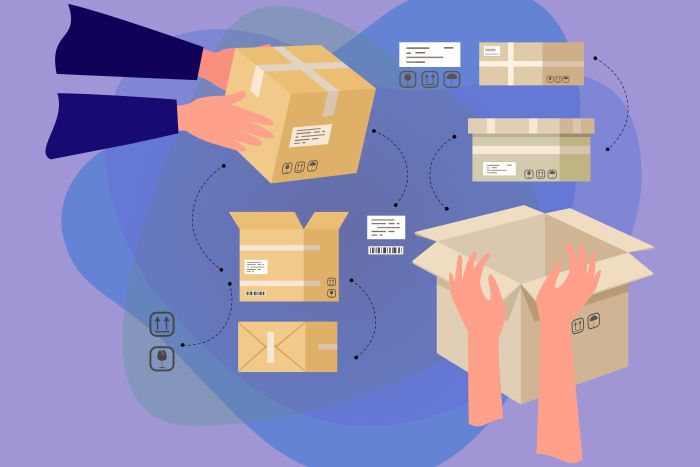
Modern fulfillment centers contribute directly to improving this experience. Orders are packed more consistently, shipping is faster, and tracking information is more accurate and transparent. Many centers also support branded packaging, allowing businesses to create a more personalized and memorable unboxing experience.
When fulfillment is executed well, it becomes almost invisible to the customer—but its impact is felt in repeat purchases, positive reviews, and brand loyalty.
Enabling Global Expansion
One of the most significant advantages of modern fulfillment infrastructure is the ability to support international expansion. Cross-border e-commerce is growing rapidly, but global logistics can be complex due to customs, shipping regulations, and delivery delays.
Distributed fulfillment networks allow businesses to store inventory in multiple regions, reducing shipping times and simplifying international logistics. This makes it easier for brands to enter new markets without building physical infrastructure in each location.
As a result, even small e-commerce businesses can operate globally from the beginning, rather than treating international expansion as a later-stage goal.
The Future of E-Commerce Fulfillment
The evolution of fulfillment centers is far from over. Emerging technologies such as AI-driven demand forecasting, autonomous delivery systems, and even drone logistics are expected to further transform the industry.
Sustainability is also becoming a key focus. Many fulfillment operations are adopting eco-friendly packaging, optimized delivery routes, and carbon reduction strategies to meet growing environmental expectations.
Ultimately, fulfillment will continue shifting from a back-end operational function to a core strategic advantage. Businesses that invest in modern logistics systems will be better positioned to scale efficiently, meet customer expectations, and compete in an increasingly fast-moving digital marketplace.
Conclusion
Modern fulfillment centers are no longer just support infrastructure—they are growth engines for e-commerce businesses. By combining automation, real-time data, scalable operations, and optimized logistics, they enable companies to deliver faster, operate more efficiently, and expand globally with less friction.
In a market where customer expectations continue to rise, the ability to execute fulfillment flawlessly is often what separates successful brands from those that struggle to grow.