Workplace learning has changed dramatically over the past decade. Traditional training sessions, printed manuals, and lengthy classroom courses still have their place, but they are no longer the only ways employees develop their skills. Technology has made learning more accessible, flexible, and responsive to what people actually need at work.
Smarter workplace learning is not simply about putting training materials online. It involves using technology to deliver useful information at the right time, monitor progress, personalize experiences, and make learning easier to fit around everyday responsibilities. As organizations continue to adapt to changing skills requirements, these technologies are becoming an important part of employee development.
Key Takeaways
- Workplace learning has evolved, utilizing technology for more accessible and personalized training experiences.
- Learning management systems (LMS) serve as central hubs for organizing and delivering training materials effectively.
- Artificial intelligence enhances personalization in training by analyzing employee data and tailoring content.
- Mobile technology and microlearning allow flexibility and targeted learning, catering to employees’ busy schedules.
- Immersive technologies like VR and AR create realistic training scenarios, enabling practical learning without real-world risks.
Table of contents
- Learning Management Systems Create a Central Hub
- Artificial Intelligence Supports Workplace Learning Personalization
- Mobile Technology Makes Learning More Flexible
- Microlearning Fits Into the Working Day
- Data Helps Organizations Understand What Workplace Learning Works
- Immersive Technology Creates Realistic Workplace Learning Practice
- Technology Works Best When Workplace Learning Has a Purpose
Learning Management Systems Create a Central Hub
Learning management systems, commonly known as LMS platforms, provide organizations with one place to organize and deliver training. Employees can access courses, videos, assessments, and other resources without having to search through emails, shared folders, or paper documents.
For employers, these systems also make training easier to manage. Learning teams can assign courses, monitor completion rates, keep records, and identify areas where employees may require additional support.
Modern platforms have moved beyond simply hosting courses, too. Many now provide interactive content, mobile access, reporting tools, integrations, and personalized learning pathways. Providers such as Sponge Learning reflect the wider shift toward digital learning experiences designed around modern workplace needs.
Artificial Intelligence Supports Workplace Learning Personalization
Not every employee needs the same training. Someone who has worked in a role for five years is likely to have different knowledge gaps from a new starter. Artificial intelligence can help learning systems recognize these differences. AI-powered technology can analyze factors such as assessment results, completed courses, job roles, and learning behavior. It can then recommend relevant materials or adjust the learning experience accordingly.
This can reduce the amount of time employees spend covering information they already understand. Instead, training can concentrate on areas where development is genuinely needed. For organizations with large or geographically dispersed workforces, this level of personalization can be particularly valuable.
Mobile Technology Makes Learning More Flexible
Employees do not always work behind a desk. Sales teams, engineers, construction workers, healthcare professionals, and many other employees spend much of their working day away from a traditional computer.
Mobile learning makes training available through smartphones and tablets, giving employees more flexibility over when and where they learn. A worker might complete a short training module before starting a task, review instructions while on-site, or refresh their knowledge without returning to an office. Responsive design is important here. Training content should be easy to navigate on smaller screens rather than simply being a desktop course squeezed onto a mobile device.
Microlearning Fits Into the Working Day
Finding an uninterrupted hour for training can be difficult during a busy working week. Microlearning addresses this problem by dividing information into shorter, focused learning activities. A module might take only five or ten minutes to complete and focus on one specific skill, process, or concept. Employees can therefore learn in manageable stages rather than working through a lengthy course all at once.
Technology makes these short learning experiences easy to distribute. Videos, quizzes, interactive scenarios, and quick reference materials can all be delivered through digital platforms. Microlearning can also be useful for refreshing knowledge after formal training has finished.
Data Helps Organizations Understand What Workplace Learning Works
One of the major advantages of digital workplace learning is the amount of information it can provide. Rather than relying solely on course attendance or completion records, organizations can examine how employees interact with training. Analytics can highlight assessment scores, engagement levels, frequently revisited topics, and areas where learners tend to struggle. Learning teams can use this information to improve content and identify gaps in existing training programs.
However, collecting data is only useful when organizations know what they want to learn from it. Metrics should connect with meaningful goals, such as improving employee knowledge, reducing errors, supporting compliance, or developing specific workplace skills.
Immersive Technology Creates Realistic Workplace Learning Practice
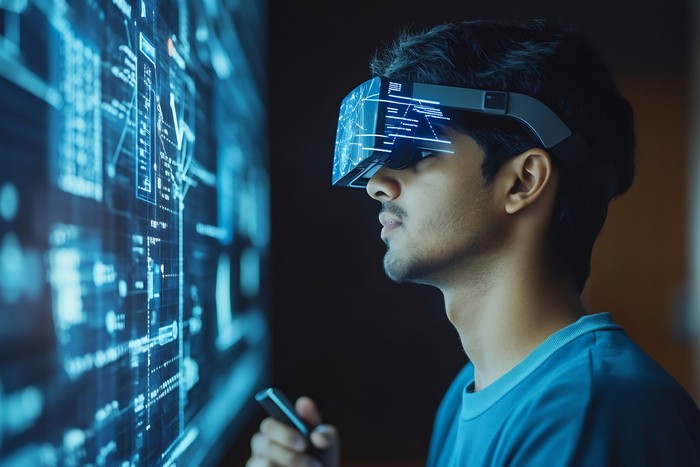
Virtual reality (VR), augmented reality (AR), and simulations are creating new opportunities for practical workplace learning. Instead of only reading about a situation, employees can practice responding to it in a controlled digital environment.
This approach can be particularly useful when real-world training would be expensive, disruptive, or potentially dangerous. Employees might practice operating equipment, responding to an emergency, dealing with a difficult customer, or navigating an unfamiliar environment.
Simulations also allow people to make mistakes without the consequences they might face in a genuine workplace situation. That creates opportunities to learn through experience before applying new skills on the job.
Read Next
A few related pieces worth your time:
- How to Maximize Your Sales with the Best Call Tracking Software?
- Separating CX from EX Is Holding You Back: The Future Is Connected
- How to Choose the Right AI Keynote Speaker in 2026: Factors to Consider
Technology Works Best When Workplace Learning Has a Purpose
New technology can make workplace learning more engaging and convenient, but technology alone does not guarantee better results. A sophisticated platform cannot compensate for irrelevant content, unclear objectives, or training that does not reflect employees’ real responsibilities.
The strongest workplace learning strategies start by identifying what employees need to know or do differently. Technology can then support those goals through personalization, accessibility, measurement, and practical learning experiences.
As workplace skills continue to evolve, learning is likely to become increasingly integrated into everyday work. The real value of technology is not replacing human development but making useful learning easier to access when employees need it most.