
Cross-chain technology is fundamentally transforming how users exchange digital assets across different blockchains. Asset swaps, once limited by siloed networks, are becoming more flexible and accessible thanks to interoperability protocols. Understanding the impact of these changes is essential as cross-chain solutions reshape the landscape of digital finance.
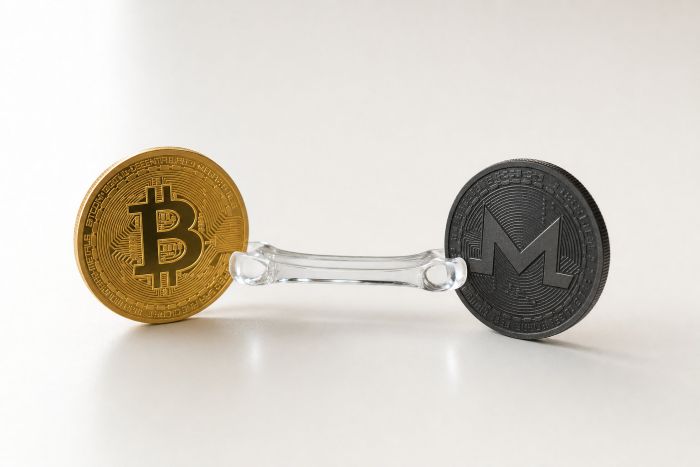
Asset swapping serves as a crucial component of the digital financial infrastructure by enabling individuals and organizations to move value efficiently across different blockchain ecosystems. As the demand for diverse assets and networks has increased, so too has the need for flexible, reliable means of exchange. BTC to XMR plays a significant role in illustrating the types of non-custodial swaps users now expect to perform, empowering them to bypass traditional limits on asset movement. The evolving landscape of cross-chain technology has direct consequences for user experience, security, and the design of financial products that rely on seamless interoperability.
Key Takeaways
- Cross-chain technology enhances digital asset exchange by improving interoperability between blockchains.
- Asset swaps have become essential for efficiently moving value across different blockchain ecosystems.
- Users benefit from faster access to diverse assets, but they face risks like transaction failures and market volatility.
- Security practices like audits and transaction monitoring are crucial to counter the increased attack surface of cross-chain technology.
- By 2026, innovations will streamline cross-chain processes, but the need for standardized security frameworks will grow.
Table of contents
- Driving Forces Behind Cross-Chain Technology Adoption
- Mechanics And Risks of a Cross-Chain Swap Process
- User Experience and Reliability in Multi-Chain Swaps
- Maintaining Trust, Security, And Compliance In Cross-Chain Swaps
- Liquidity Provision and Fee Structure Considerations
- Evolving Trends and Challenges For 2026 And Beyond
Driving Forces Behind Cross-Chain Technology Adoption
The emergence of cross-chain technology addresses a fundamental issue, incompatibility between different blockchain networks. Each blockchain has its own protocol, consensus mechanism, and coding language, making direct value transfer between chains historically difficult or impossible. As the crypto ecosystem expanded, this limitation stifled liquidity and market efficiency, prompting developers to seek solutions that enable asset movement beyond isolated chains.
To solve these interoperability issues, several approaches have gained prominence. Blockchain bridges facilitate asset transfers by locking tokens on one chain and issuing equivalent representations on another. Atomic swaps allow two users on separate blockchains to exchange assets directly in a trust-minimized way, ensuring both parties either complete the swap or neither does. Cross-chain messaging protocols provide a higher-level means for blockchains to communicate, orchestrating transactions and data transfer without the need for intermediaries holding users’ funds.
Mechanics And Risks of a Cross-Chain Swap Process
Executing a cross-chain swap typically begins with a user submitting an asset exchange request via a web or mobile interface. The user receives a quote that reflects current pricing, liquidity, and routing options available across multiple chains. Once the quote is accepted, smart contracts temporarily lock the user’s source asset and coordinate with contracts on the destination chain to release the target asset, completing the exchange process.
At every step, operational and security risks can arise. For example, custody risk emerges if an intermediary bridge or contract holds assets during the process. Smart contract risk is present due to potential vulnerabilities or malicious code in swap protocols. Additionally, market volatility can introduce slippage, where the amount received differs from initial expectations mid-transaction, requiring robust error handling and user notifications throughout the process.
User Experience and Reliability in Multi-Chain Swaps
For users, the main promise of cross-chain swaps lies in quicker access to a broader selection of digital assets. Routing trades through multiple networks can reduce costly manual transfers and enable seamless portfolio management. However, this increased flexibility comes with unique reliability challenges, including the risk of transaction failure if liquidity dries up or an intermediary suffers downtime.
Platforms continually refine designs to address these hurdles. Features such as transparent order books, real-time confirmation updates, and automated slippage controls form the foundation of a robust user experience. In the fourth step, BTC to XMR platforms can emphasize instant feedback and strong error handling mechanisms, ensuring that users are informed immediately if issues occur and that failed swaps are resolved promptly and transparently.
Maintaining Trust, Security, And Compliance In Cross-Chain Swaps
The expanded attack surface introduced by cross-chain technology requires greater vigilance. Bridges and smart contracts that span multiple blockchains are frequent targets for exploits, especially where code complexity or rapid innovation leaves gaps. Common failures involve contract bugs, compromised validator nodes, or poorly managed access controls, each of which can result in asset loss if not proactively addressed.
To counter these risks, platforms adopt security practices including third-party code audits, continuous transaction monitoring, user withdrawal limits, and circuit breakers that halt operations when anomalies are detected. Compliance teams are also adapting to the multi-jurisdictional nature of cross-chain swaps, developing protocols for transaction screening, source of funds verification, and regulatory reporting. As cross-chain adoption grows, the need for standardized practices in risk management and oversight continues to intensify.
Liquidity Provision and Fee Structure Considerations
Cross-chain technology and asset swaps transform the fee landscape by introducing additional routing options and liquidity layers. During complex swaps involving multiple networks, fees can accumulate due to network tolls, bridge usage, and compensating liquidity providers. This fee-stacking affects the final spread, making transparency about costs an essential factor in product selection and user trust.
The availability of liquidity and the activity of market makers significantly influence the success of a swap. High-quality liquidity sources help prevent excessive slippage and failed trades, while diverse market maker participation supports robust pricing. By streamlining access to multiple chains, cross-chain protocols make it easier for users to find optimal trading conditions, though fragmentation of liquidity remains an industry concern.
Evolving Trends and Challenges For 2026 And Beyond
In 2026, industry trends are shaping the direction of cross-chain technology and asset swaps. Innovations such as intent-based swapping allow users to specify outcomes instead of paths, streamlining execution across fragmented liquidity pools. Chain abstraction tools increasingly conceal the underlying networks, enabling users to interact with assets and services without managing network-specific details.
The push for industry-wide security standards remains strong. Collaborations among developers, auditors, and compliance professionals aim to introduce standardized security frameworks addressing the unique risks of cross-chain operations. As these frameworks evolve, swap products may become increasingly user-friendly, transparent, and resilient to both technical and regulatory disruption.