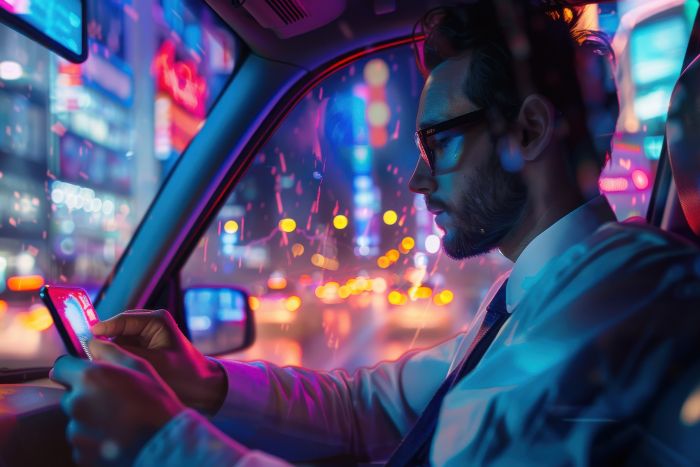
Ride-share tech platforms depend on powerful algorithms and digital systems that guide drivers’ actions on the road. Dispatch technology, surge pricing notifications, and in-app gamification are shifting how drivers interact with their work environments and raising new questions about responsibility tied to gig economy corporate liability. This article explores How ride-share algorithms contribute to driver distraction and why holding tech companies accountable is increasingly central to modern safety debates.
The emergence of algorithm-powered ride-share apps is not just transforming urban transportation, but also affecting how drivers engage with their job through ride-share dispatch algorithms. Platforms encourage drivers to constantly interact with their devices using features like instant dispatches, reward incentives, and real-time surge pricing updates that intensify gig economy corporate liability concerns. A Hackensack Lyft accident lawyer may frequently address cases where ride-share accident claims are clouded due to the complex interplay of these app-driven features, which are embedded into daily driving routines. As these digital interactions increase, Uber and Lyft crash litigation is shaping how the legal landscape assigns responsibility to companies and their technology, rather than solely to individual drivers.
Key Takeaways
- Ride-share algorithms create driver distractions through constant notifications and gamification, raising concerns about corporate liability.
- The independent contractor model complicates liability issues as companies argue that drivers are responsible for their own safety.
- Litigation increasingly focuses on whether technology influences driver decision-making during accidents, questioning who is at fault.
- Legal strategies now emphasize accountability for ride-share platforms and stress the importance of app design in minimizing distractions.
- Rideshare accident claims require detailed records, including app usage, to clarify liability and ensure fair compensation.
Table of contents
How ride-share algorithms increase digital distraction
Ride-share tech platforms use sophisticated ride-share dispatch algorithms to optimize driver assignments, manage fares, and boost engagement through features like gamification and achievement badges. How ride-share algorithms contribute to driver distraction becomes clearer when these same systems regularly prompt drivers with alerts, notifications, and performance tracking updates. Surge pricing notifications and streak-based bonuses are specifically designed to motivate drivers to accept more rides or alter routes, sometimes with little time for deliberation.
This barrage of in-app prompts can contribute to digital distraction behind the wheel, and holding ride-share tech companies accountable is often debated when these prompts escalate risk. Who is at fault: The driver or the dispatch algorithm? is increasingly asked when ride-share accident claims point to urgent, complex prompts that require immediate action. These notifications, deeply integrated into the workflow, put drivers in a position where digital engagement is almost unavoidable, raising critical questions about the boundaries of corporate responsibility for crash risks resulting from these technologies.
Research into driver behavior patterns reveals that How ride-share algorithms contribute to driver distraction is tied to the cognitive load imposed by ride-share applications extending beyond simple navigation. Drivers must simultaneously monitor traffic conditions, respond to passenger requests, evaluate acceptance rates displayed on their screens, and make split-second decisions about whether to accept incoming ride requests before they expire. This multi-layered demand on attention creates a uniquely hazardous environment where the technology itself becomes a persistent source of distraction, which also influences Uber and Lyft crash litigation strategies. Unlike traditional employment where workers can step away from digital interfaces, ride-share drivers are economically incentivized to maintain constant engagement with their devices, creating a feedback loop where declining a notification or ignoring an alert may directly impact their earnings and platform standing.
The independent contractor model and evolving liability lines
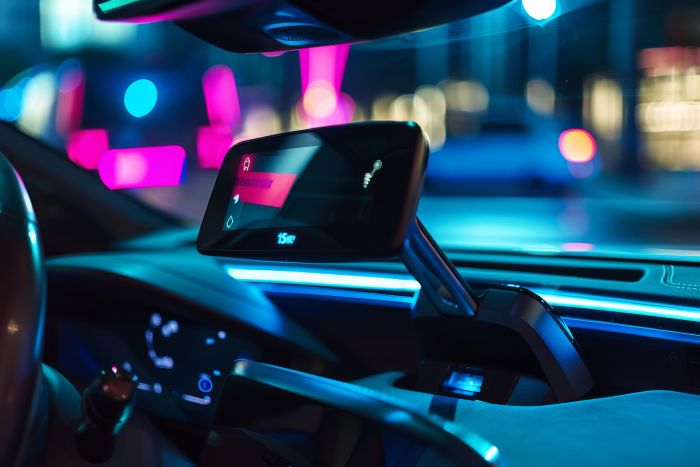
Ride-share tech companies typically designate drivers as independent contractors rather than employees, making liability questions challenging and often fueling Hackensack Uber accident lawyer consultations after serious collisions. Companies argue that drivers are responsible for their own safety, but the algorithms dictating driver behavior blur lines around decision-making and control, reinforcing the independent contractor liability loop. When a crash occurs and evidence shows that app-based distractions played a role, legal teams must analyze whether technology designed by the company contributed materially to the incident while also assessing rideshare accident compensation pathways.
Insurers, lawyers, and regulatory bodies are increasingly reviewing when and how corporate liability should apply in these cases, and Who is at fault: The driver or the dispatch algorithm? continues to shape policy discussions. If the design and operation of apps—especially their notifications and reward systems—heavily influence driver decision-making, platforms may bear greater responsibility for crash outcomes, raising the stakes for holding tech companies accountable. This dynamic is fueling ongoing debates about the independent contractor liability loop that exists between drivers, technology, and ride-share companies in the rapidly advancing gig economy.
Legal and technical strategies for addressing ride-share crashes
When liability is unclear following an accident, detailed records from ride-share platforms—such as data logs and app usage patterns—can provide crucial evidence in ride-share accident claims. These records help verify if algorithmic notifications or gamification features influenced driver behavior leading up to a crash, and they can be used to test assumptions about ride-share dispatch algorithms. As cases increasingly hinge on these technical details, the legal framework continues to adapt, incorporating both platform accountability and the driver’s role in managing distractions.
Legal professionals and safety advocates have pushed for both improved app design and clearer ride-share insurance policies that keep pace with evolving ride-share tech. Navigating complex insurance policies after a rideshare crash is often difficult, especially when ride-share insurance policies vary based on app status and trip phase. Guidance from firms such as Varcadipane & Pinnisi, P.C. helps clarify how liability may be divided between individual driver choices and platform-induced distractions, and Varcadipane & Pinnisi New Jersey rideshare accident lawyers often evaluate evidence for rideshare accident compensation. As ride-share tech advances, expectations for corporate responsibility are being redefined, with Hackensack Uber accident lawyer reviews frequently intersecting with Uber and Lyft crash litigation over evolving risk controls.
Because app-driven workforces operate at scale, gig economy corporate liability is increasingly tested by patterns of repeat incidents, including cases where ride-share accident claims reveal the same interface prompts across many drivers. In these disputes, Varcadipane & Pinnisi New Jersey rideshare accident lawyers may analyze whether design choices support holding tech companies accountable without unfairly shifting blame onto individuals. Navigating complex insurance policies after a rideshare crash also depends on how insurers interpret trip data and driver status, which can influence rideshare accident compensation even when the crash facts are clear.
In practice, a Hackensack Uber accident lawyer may coordinate technical experts to compare driver behavior with platform prompts and evaluate the independent contractor liability loop in detail. Varcadipane & Pinnisi New Jersey rideshare accident lawyers also monitor emerging standards that affect ride-share insurance policies and the documentation required to prove ride-share accident claims. When the evidence shows a predictable safety risk created at the platform level, the focus often returns to holding tech companies accountable while still recognizing the real-world pressures drivers face.