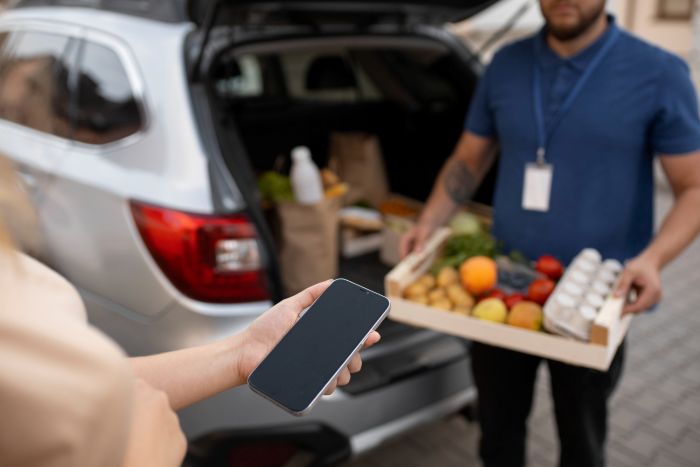
Curbside pickup promises speed, convenience and control, but many retailers still lose orders after checkout because store execution breaks down. Customers arrive before orders are staged, associates miss alerts, or pickup instructions create confusion at the handoff point, resulting in failed pickups.
These failures increase cancellations, damage trust and reduce repeat usage. They also affect future conversions. If shoppers perceive pickup as unreliable, they are less likely to complete checkout using that option.
With cart abandonment still high across ecommerce, execution confidence matters. This is where curbside pickup software helps. It connects order readiness, customer arrival, associate workflows and pickup confirmation into one coordinated process that reduces failed pickups and supports stronger conversion outcomes. Let’s learn how it helps with pickups and order abandonment.
Key Takeaways
- Curbside pickup often fails due to coordination issues and poor execution, leading to cancellations and lost trust.
- Curbside pickup software improves operational efficiency by synchronizing order readiness, customer check-in, and associate workflows.
- Using curbside pickup software reduces failed pickups, enhances visibility, and provides clear communication to customers.
- Retailers should measure success by tracking pickup rates, response times, and customer satisfaction metrics.
- Selecting the right curbside pickup software involves looking for real-time status synchronization and effective task management features.
Table of contents
- Why Failed Pickups Happen in Curbside Operations
- How Curbside Pickup Software Reduces Failed Pickups
- How Curbside Pickup Software Helps Prevent Order Abandonment
- Operational Benefits Retail Teams Can Measure
- What to Look for in Curbside Pickup Software
- Reduce Failed Pickups Before They Become Lost Orders
Why Failed Pickups Happen in Curbside Operations
Failed pickups usually result from multiple small breakdowns, not a single major issue. Without curbside pickup software, store teams often depend on manual coordination, which increases variability and delays.
- Pickup Readiness and Customer Arrival Fall Out of Synchronization
Orders may be marked ready before staging is complete, or notifications may reach customers at the wrong time. When shoppers arrive and the order is still being prepared, wait times increase and trust drops.
- Customer Check-in and Arrival Signals are Inconsistent
Many stores still rely on unclear instructions, manual calls or weak check-in flows. If customers cannot easily share arrival status, vehicle details or parking location, associates lose time and handoffs slow down.
- Inventory and Order Status Errors Disrupt the Pickup
Customers selecting curbside expect the product to be available and reserved. Stock mismatches, partial orders or delayed substitution updates can trigger failed pickups after the customer has already reached the store.
- Store-level Process Variability Creates Uneven Execution
One location may respond quickly while another depends on ad hoc staffing or inconsistent pickup steps. Curbside pickup software in retail operations helps reduce this variability by standardizing the workflow across stores.
How Curbside Pickup Software Reduces Failed Pickups
The main value of curbside pickup software is operational coordination. It does more than send notifications. It helps retailers manage the full sequence from prep to arrival to handoff with fewer blind spots.
- Improves Order Readiness and Staging Accuracy
A strong system tracks pick, pack and stage progress and confirms “ready for pickup” only after validation. This reduces false-ready notifications and helps teams avoid parking-lot delays caused by incomplete staging.
- Creates Cleaner Customer Arrival Workflows
Curbside pickup software supports digital check-in through app, web or link-based flows, making it easier for customers to confirm arrival and share location details. That gives associates real-time visibility and reduces missed pickups.
- Improves Staff Tasking and Handoff Speed
Store associates need clear task queues instead of manual guesswork. Curbside pickup software can route pickup tasks based on arrival timing and response targets, reducing search time and improving handoff consistency.
- Supports Exception Handling Before the Pickup Fails
Missing items, delayed prep and partial orders do not always need to end in failed pickups. Curbside pickup software helps flag issues earlier, standardize communication and support faster decisions on substitutions, delays or cancellations.
- Strengthens Proof of Pickup and Completion Records
Timestamped completion confirmation helps validate handoffs and reduces confusion after pickup. This is useful for customer support, store audits and dispute resolution when pickup status is questioned.
How Curbside Pickup Software Helps Prevent Order Abandonment
Abandonment is often treated as a checkout problem, but fulfillment confidence also drives conversion. If pickup feels unreliable, shoppers may abandon before purchase or cancel after ordering.
- Reduces Shipping-cost and Delivery-time Friction
Many shoppers leave checkout when shipping costs feel too high or delivery timelines feel too slow. Curbside pickup can reduce that friction by offering a faster and lower-cost alternative when executed well.
- Improves Trust in the Pickup Option
Customers are more likely to complete checkout when pickup windows, readiness updates and handoff expectations are clear. Curbside pickup software improves that confidence by making the process feel predictable.
- Lowers Post-purchase Cancellations
Slow or confusing pickup communication often leads to canceled orders after purchase. Curbside pickup software reduces this risk by improving visibility into readiness, arrival and handoff progress.
- Creates a More Consistent Omnichannel Experience
Shoppers move between app, website and store touchpoints. When pickup status and communication stay consistent across channels, friction drops and customers are more likely to use curbside again.
Operational Benefits Retail Teams Can Measure
Retailers should evaluate curbside pickup software by outcomes, not feature lists. The greatest improvements usually appear across service reliability, labor efficiency and support burden.
- Fewer Failed Pickups and Lower Cancellation Rates
Track pickup success rate, no-show rate and post-order cancellation rate. These metrics show whether curbside pickup software is reducing real execution failures.
- Faster Response and Handoff Times
Measure time to acknowledge arrival, time to assign an associate and time from check-in to handoff. These indicators reveal how quickly stores are responding once customers arrive.
- Lower Support Volume and Escalations
If the workflow is improving, retailers should see fewer “order not ready” complaints, fewer pickup-status tickets and lower pickup-related contact volume.
- Better Store Labor Efficiency
Track associate task completion time and orders handled per associate during peak windows. Better task coordination through curbside pickup software can reduce manual delays and parking-lot congestion.
- Stronger Customer Satisfaction and Repeat Use
Curbside CSAT, repeat pickup usage and review sentiment tied to speed and convenience help teams measure the customer impact of store execution improvements.

What to Look for in Curbside Pickup Software
Retailers comparing platforms should focus on operational fit. The right curbside pickup software should connect order systems, customer check-in and store workflows without creating new manual work.
- Real-time Order and Status Synchronization
Look for integration with OMS, POS and inventory systems so “ready for pickup” reflects actual readiness, not delayed updates or manual assumptions.
- Flexible Arrival Detection and Check-in Experience
The platform should support app, web or SMS-based check-in, along with parking spot and vehicle detail capture. These features improve arrival clarity and store response speed.
- Associate Workflow and Task Management Controls
Task queues, prioritization rules and SLA timers help store teams respond consistently during normal and peak periods. This is where curbside pickup software drives operational discipline.
- Exception and Communication Workflows
Retailers need support for delay messages, partial order handling and issue-specific customer communication templates. Standardized exception workflows reduce confusion and cancellations.
- Reporting and Store-level KPI Visibility
Store-level performance dashboards, failed pickup reasons and response-time trends are essential for improving execution after rollout and comparing results across locations.
Reduce Failed Pickups Before They Become Lost Orders
Curbside failures are usually workflow failures, not only staffing issues. When order readiness, customer arrival and associate tasking are disconnected, delays compound and customers lose confidence quickly. That is why retailers should treat curbside execution as a coordinated operating process across ecommerce, store teams and fulfillment workflows.
With technology partners such as FarEye, retailers can connect order status, arrival signals, task orchestration and pickup confirmation in one responsive workflow. This improves pickup reliability, reduces avoidable cancellations and helps protect conversion by making curbside feel predictable and fast.
The next step is practical: audit failed pickup root causes, measure check-in-to-handoff time, track no-shows and standardize exception handling. When teams improve both execution discipline and visibility, curbside pickup software delivers a stronger customer experience, fewer failed pickups, and better retail outcomes.