
Search optimization engines are evolving faster in an AI-dominated world with structural signal modeling. ChatGPT now reaches over 800 million weekly users and Google’s Gemini app has surpassed 750 million monthly users. Changes happen at remarkable speed. AI Overviews now appear in at least 16% of all searches, and nearly 60% of Google searches on mobile end without a click.
Organizations face major challenges in this volatile new search ecosystem. AI-cited sources fluctuate between 40-60% each month. ChatGPT prompts align with search intent categories 30% of the time. AI search will likely overtake standard search by early 2028. Businesses must adapt their search engine optimization strategies quickly. Companies that fail to adjust will lag behind competitors who optimize for generative search.
This piece examines how structural signal modeling through machine learning provides a systematic approach to engineering search visibility in this fast-changing environment. Organizations can build stronger search presence across both conventional and AI-powered search engines by understanding fundamental signal types, implementing advanced machine learning frameworks, and developing strategic optimization methods.
Key Takeaways
- Search optimization is rapidly evolving with AI, making structural signal modeling essential for visibility in digital ecosystems.
- Organizations must adapt to AI-driven search, as traditional strategies alone won’t suffice; they need multi-dimensional approaches.
- Machine learning enhances signal processing for content ranking, using algorithms that analyze data patterns to improve search results.
- Implementing structured data like JSON-LD is crucial for defining content clearly, thereby helping AI systems interpret information effectively.
- Entity building and multi-modal content optimization are key for increasing organic traffic and improving search performance in an evolving landscape.
Table of contents
- The Foundation of Structural Signal Modeling
- Machine Learning Frameworks for Search Engine Optimization
- Strategic Optimization Using Signal Engineering
- Advanced Signal Analysis and Performance Tracking
- Conclusion
- FAQs
- 1. What is the role of machine learning in modern search engine optimization?
- 2. How can structured data improve search visibility?
- 3. What is the importance of entity building for search optimization?
- 4. How can multi-modal content optimization enhance search performance?
- 5. Why is automated optimization becoming essential for search visibility?
The Foundation of Structural Signal Modeling
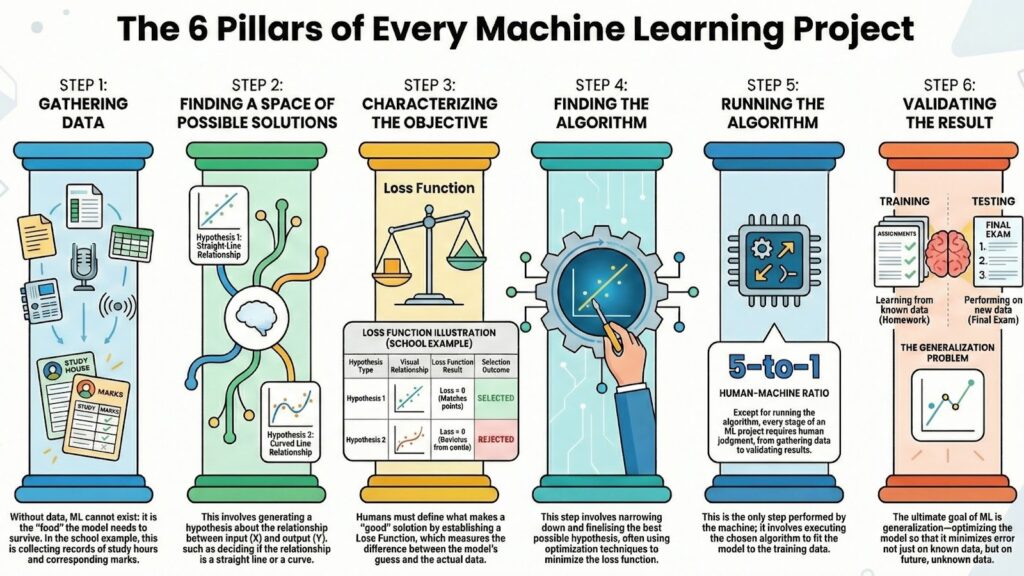
Structural signal modeling and modern search optimization engines are inseparable. These technical frameworks help search engines and AI models process, analyze, and rank content based on distinct patterns and characteristics.
Defining Structural Signal Modeling in Modern Search
Search engines interpret content through organized data patterns called structural signals, or structural signal modeling. Content with a well-laid-out structure gives AI systems clear contextual signals to accurately select and represent information. These signals are especially important for authoritative content in regulated industries where AI search represents an organization’s expertise. Unstructured text blocks or scattered content create noisy signals. This makes AI results mix unrelated details or lose context, which ends up hurting content discoverability. On top of that, structured data uses standardized formats like JSON-LD and vocabularies such as Schema.org to explicitly annotate key content elements. This makes a page’s purpose crystal clear to crawlers.
Signal Types: On-Page, Off-Page, and Behavioral
Search optimization strategies use distinct signal categories that influence visibility together. On-page signals improve website elements such as content quality, formatting, and title tags. Off-page signals involve actions taken outside your website to improve authority, trustworthiness, and relevance. These include backlinks, guest blogging, and social media marketing. User interaction metrics form behavioral signals. Time spent on pages, scroll depth, and bounce rates for high-intent queries all matter. These signal types create a complete profile that determines how search engines assess and rank content.
Machine Learning’s Role in Signal Processing
Machine learning has substantially improved signal processing capabilities. ML algorithms learn from data instead of following explicit programming. Digital signal processing (DSP) combined with ML enables advanced signal analysis and smart decision-making based on processed data. This combination works well because ML algorithms excel at pattern recognition and meaning extraction from complex datasets. Signals go through sophisticated analysis that adapts to changing conditions. This results in efficient solutions that can understand and transcribe information accurately. Machine learning is key in structural signal modeling.
Machine Learning Frameworks for Search Engine Optimization
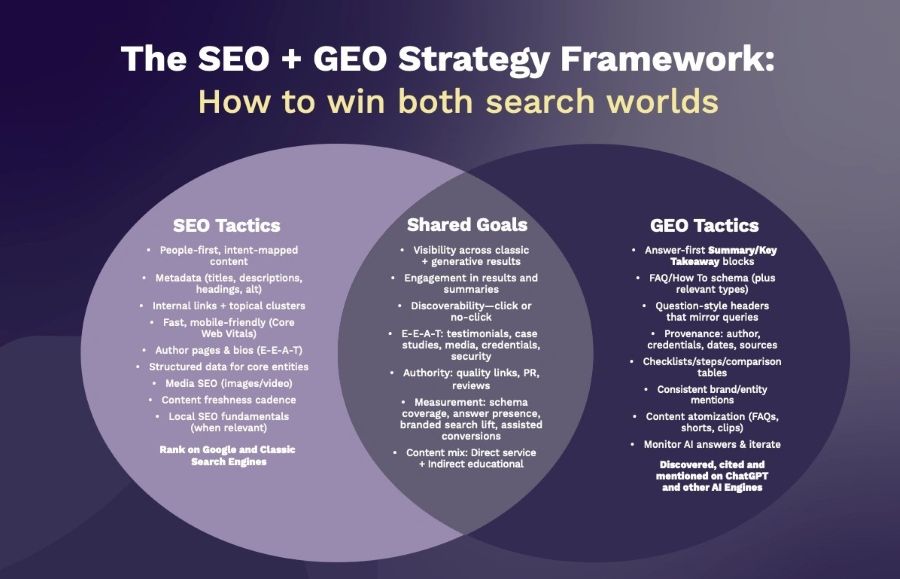
Modern search optimization engines run on machine learning frameworks. These systems look at hundreds of quality signals at once and spot patterns that show when users are happy and content is trustworthy.
Supervised Learning Models for Ranking Prediction
Supervised learning works with labeled data where we already know the rankings. Search models use this approach to figure out where new content should rank based on past performance. Many ranking systems rely on Support Vector Machines (SVM) and Naïve Bayes classifiers that learn from relevant and non-relevant results. These models study millions of previously ranked pages to spot subtle links between content structure, keyword placement, semantic relevance, and final ranking position.
Unsupervised Learning for Pattern Detection
Unlike supervised learning, unsupervised learning spots patterns in search optimization without needing labeled data. Tools like k-means clustering put similar content into groups based on their natural features. This method is a great way to get insights about unusual patterns in search data that might point to new trends or odd behavior. Clustering and dimensionality reduction help show connections between websites and content that human analysis might miss. Again, highlighting the importance of machine learning in structural signal modeling.
Deep Learning Approaches to Content Understanding
The most advanced ranking systems today use deep learning neural networks. These layered models process content through connected nodes and spot complex patterns – from single words to full topic contexts. Large language models (LLMs) have sparked lots of research lately, and deep learning now shows up in machine learning projects everywhere. These systems work really well with images, language, and computational biology.
Natural Language Processing in Search Systems
NLP helps search engines grasp what users want when they search, giving results that match the context, not just keywords. It blends computational linguistics with statistical modeling and deep learning. Today’s NLP drives advanced language models that write like humans and help with content creation and automated tasks. Search optimization uses NLP to pull out feelings and attitudes from text.
Real-Time Signal Processing with ML
ML models get better all the time through feedback, unlike old-school algorithms that need manual updates. The algorithms learn from every search – what results people pick, how long they stay, and if they change their search terms. This live processing lets systems figure out location context, device-specific needs, and time-based relevance automatically.
Model Training and Iteration Cycles
Good model development follows clear steps: picking the model, gathering data, getting it ready, choosing parameters, testing performance, and making it better. The model’s success depends heavily on training data quality and quantity. Self-supervised learning can be budget-friendly by replacing hand-labeled data without losing effectiveness. Models get better through repeated refinement and learn to make accurate predictions on new data they haven’t seen before.
Strategic Optimization Using Signal Engineering
Search visibility needs strategic signal engineering that works across multiple dimensions. The search ecosystem keeps changing, and organizations can’t rely just on traditional optimization tactics anymore. They need to build complete signal strategies, a key component to structural signal modeling.
Designing a Signal-First Content Strategy
Today’s content strategy must work with scattered user trips across many platforms, interfaces, and behaviors. People now search through ChatGPT, browse Reddit, scroll TikTok, and talk to voice assistants. These paths to decisions are mostly invisible. This change means content should address overlapping intent signals rather than linear trips. Companies should publish content in formats that match how users behave: text, video, audio, structured data, and conversational prompts. Content distribution plays a vital role in search engine optimization and brand strategy. It ensures presence wherever users search, read, watch, or ask questions.
Technical Implementation of Structured Data
Structured data helps make entities visible by telling search engines about page content through standardized markup. Google prefers JSON-LD implementation, which embeds in script tags within HTML. Good structured data implementation has organization schema to define business entities, person schema for author expertise, product schema for better visibility, and event schema for temporal entities. Verified markup leads to rich results. Rotten Tomatoes saw a 25% increase in click-through rates across 100,000 pages. Common mistakes happen when schema doesn’t match real entity attributes or when teams don’t verify markup through tools like Schema Markup Validator.
Authority Signal Development Through Entity Building
Entity-based optimization makes brands stand out as distinct, recognizable entities in search knowledge systems. Entity signals create lasting semantic understanding of brands, unlike keyword optimization. The Knowledge Graph has over 500 billion entities and 20 billion relationships between them. Research shows that entity-recognized brands get 41% more organic traffic than non-entity competitors targeting similar keywords. Building strong entities requires specific verification signals: authoritative platform presence, industry-specific database listings, authority content, and consistent publishing patterns. The core team members who publish on authoritative industry sites create connected entity profiles that boost organizational authority.
Multi-Modal Signal Integration
Multi-modal search optimization combines signals from different content formats. Text forms the foundation but needs support from well-optimized images and video. AI-friendly text optimization works best with clear headings, structured subheadings, and brief intro summaries. Images need descriptive alt text, metadata, and captions that provide context signals. Video optimization often gets overlooked. It needs accurate transcripts, conversational titles, timestamps, and embedding with related text content. Aligning Experience, Expertise, Authoritativeness, and Trustworthiness (E-E-A-T) signals across all media types creates better visibility in both traditional and AI search results.
Search Optimized Architecture Patterns
Search architecture controls how information gets indexed, retrieved, and delivered while maintaining performance and security. Modern systems use hybrid retrieval that combines lexical search with vector-based semantic matching. This hybrid approach means both keyword optimization and semantic relevance matter. Vector databases replace traditional inverted indices with embedding-based indexing that shows meaning in high-dimensional space. The quickest way to optimize architecture is to implement tenant affinity in load balancing (improving cache hit rates by 45%), dedicated connection pools, and fallback mechanisms. These ensure degraded but working service during overload conditions. Organizations that achieve sub-100ms response times see 3x higher search tool engagement rates, making performance optimization crucial.
Advanced Signal Analysis and Performance Tracking
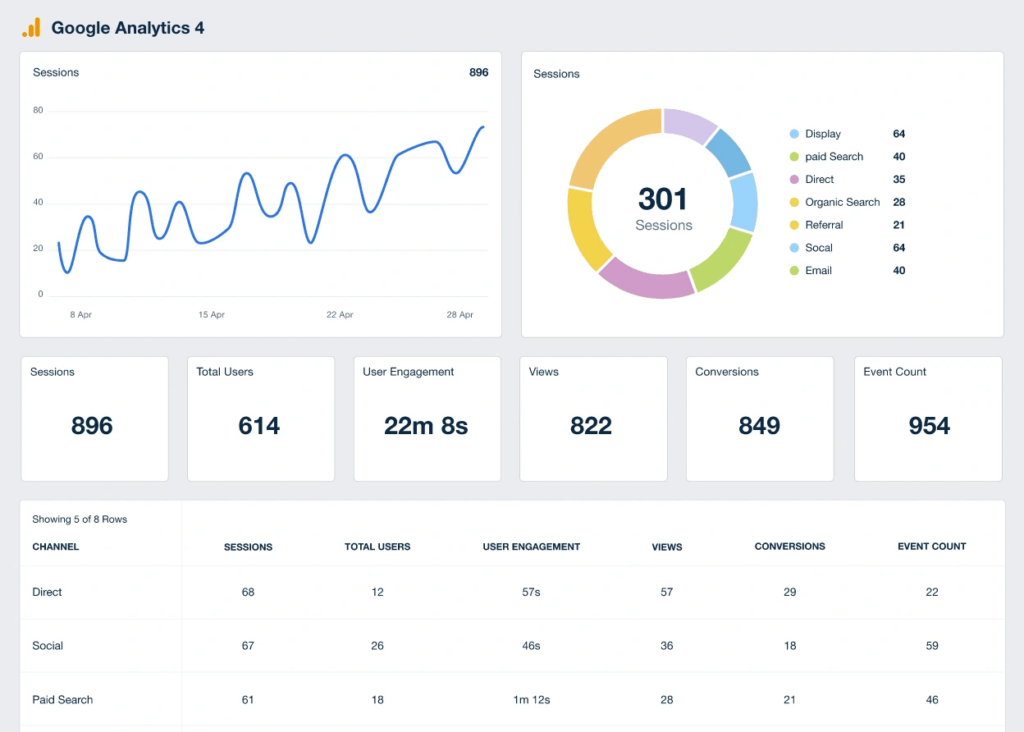
Search optimization measurement requires sophisticated analysis methods that exceed simple ranking metrics. Organizations need robust systems to review signal strength and predict visibility changes as search algorithms develop.
Signal Strength Measurement Methodologies
Modern signal strength assessment combines multiple metrics to create detailed visibility profiles. Google Search Console offers core measurements like impressions, clicks, and click-through rates (CTR) that show how users interact with search listings. Measurement should exceed traditional ranking checks. Advanced analytics look at engagement metrics such as session duration and conversion rates. Organizations must track both AI-specific metrics and traditional signals as search interfaces rapidly change. Zero-click results are becoming more common, making it vital to monitor brand mentions even without direct traffic.
Predictive Analytics for Search Visibility
Predictive analytics has turned search optimization from reactive adjustments into forward-looking strategy. Machine learning tools analyze historical ranking data, SERP volatility patterns, and competitor movements to forecast traffic trends, key in structural signal modeling. These systems spot emerging query patterns and seasonal service demands before competitors notice these opportunities. Technical barriers like crawl budget limitations and JavaScript rendering issues can quietly affect performance predictions if left unchecked. Search visibility will rely on automated prediction systems that anticipate algorithm changes by 2026.
Competitive Signal Benchmarking
Competitive benchmarking provides significant context to review search performance. Traffic increases might hide relative market share losses if competitors grow faster. Successful benchmarking looks at multiple dimensions: on-page elements, off-page factors, technical performance, content engagement metrics, and keyword positioning. Organizations can spot valuable keywords their competitors rank for through systematic competitive analysis. This detailed approach reveals where optimization efforts should focus – whether on content depth, technical performance, or backlink acquisition.
Automated Optimization Systems
Automation has reshaped search signal management through continuous monitoring and adjustment. Modern systems handle routine tasks like site crawls, performance tracking across engines, technical issue detection, and competitive gap analysis. AI-powered tools send immediate alerts when issues emerge – from page speed problems to broken links or ranking drops. Automated link building systems manage off-page workflows by filtering prospects, personalizing outreach, monitoring link health, and tracking brand mentions. These systems connect business entities with related industry concepts, helping AI systems understand business contexts and authority scope. Organizations maintain visibility across the ever-changing search landscape through continuous optimization based on algorithm priorities.
Conclusion
Structural signal modeling represents a fundamental change in how organizations handle search visibility in evolving digital ecosystems. Our technical exploration shows how machine learning frameworks turn raw data into practical insights and create resilient optimization strategies that adapt to both traditional and AI-powered search engines.
Organizations should know that signal engineering goes beyond simple keyword optimization. Modern detailed strategies need multi-dimensional approaches that incorporate supervised learning for ranking prediction, unsupervised learning for pattern detection, and deep neural networks for nuanced content understanding. These technologies help search systems process signals with exceptional sophistication.
Technical implementation of structural signals needs careful attention to architecture patterns, entity development, and multi-modal content optimization. Companies that build robust signal foundations through structured data implementation see most important improvements in visibility and user engagement metrics. Evidence shows that well-executed structured markup can increase click-through rates by 25%. Entity-recognized brands capture 41% more organic traffic than competitors targeting similar keywords.
Search optimization strategies will change as AI continues to reshape digital interactions. Organizations need automated systems that can handle continuous signal monitoring, measurement, and predictive analytics. These systems let teams anticipate algorithm changes rather than react to them and create eco-friendly competitive advantages in complex search ecosystems.
Machine learning now spreads through every aspect of search visibility. From natural language processing that interprets user intent to live signal processing that adapts to behavioral patterns, the landscape has changed. The core team must develop expertise in multiple disciplines: data science, content engineering, architecture optimization, and performance analytics.
The future belongs to organizations that master this technical union between structured signals and machine learning. Organizations that build detailed signal profiles across content types, implement sophisticated measurement methods, and develop predictive capabilities will thrive despite search volatility. Those who rely on outdated optimization approaches face diminishing returns as AI-driven search surpasses traditional models.
Structural signal modeling emerges as the foundation for sustainable search visibility. Organizations that adopt this systematic approach gain short-term visibility improvements and build adaptive systems. You retain control whatever way search interfaces evolve in coming years.
FAQs
1. What is the role of machine learning in modern search engine optimization?
Machine learning algorithms analyze complex patterns across hundreds of signals simultaneously, identifying correlations that indicate user satisfaction and content expertise. This enables search engines to process and rank content more effectively based on factors like content quality, relevance, and user engagement.
2. How can structured data improve search visibility?
Implementing structured data markup like JSON-LD explicitly tells search engines about the content on a page using standardized formats and vocabularies. This provides clear signals that help AI systems accurately interpret and represent information, leading to improved visibility in search results and rich snippets.
3. What is the importance of entity building for search optimization?
Establishing a brand as a distinct entity within search knowledge systems creates lasting semantic understanding beyond just keywords. Recognized entities tend to capture more organic traffic as they build authority through verification signals like platform presence, industry listings, and consistent publishing.
4. How can multi-modal content optimization enhance search performance?
Integrating optimization signals across different content formats like text, images, and video creates a stronger overall profile for both traditional and AI search engines. Aligning elements like descriptive metadata, alt text, and transcripts improves the visibility of multi-modal content.
5. Why is automated optimization becoming essential for search visibility?
As search algorithms rapidly evolve, automated systems that continuously monitor performance, detect issues, and make adjustments in real-time are crucial for maintaining visibility. These tools leverage machine learning to anticipate changes, provide alerts, and optimize based on shifting preferences across search engines.