Anxiety is now one of the most common mental health issues for teenagers, and its effects go beyond just emotions. At school and at home, teens with anxiety often have trouble focusing, staying motivated, sleeping well, and keeping healthy relationships. These challenges can directly affect teen performance, grades and daily life.
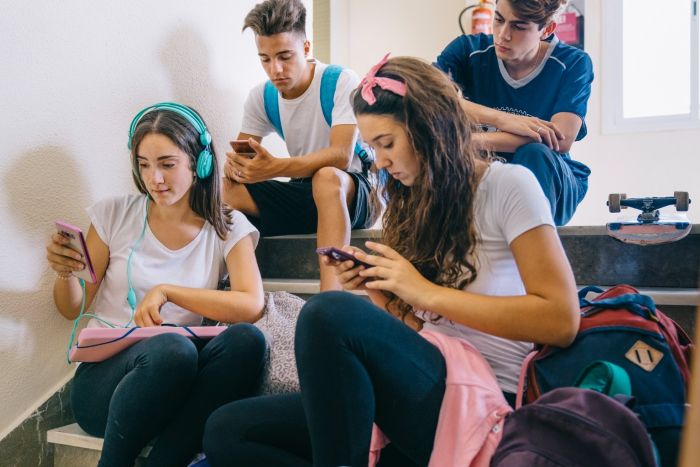
Today’s teens grow up surrounded by technology, which affects how they develop and handle stress. Social media, online classes, and lots of screen time have changed how they deal with pressure. Technology is also changing how teens get help, with more digital tools, online counseling, and new ways to treat anxiety. Understanding both the good and bad sides of technology can help teens do better at school and at home.
Key Takeaways
- Anxiety affects many teenagers, impacting their focus, motivation, and relationships both at school and home.
- Technology influences how teens experience and manage anxiety, with social media and online learning intensifying stress.
- Anxiety can lead to reduced concentration, declining academic engagement, and increased academic pressure in digital environments.
- Digital tools like mental health apps and teletherapy provide accessible and effective treatment options for teenagers.
- Schools are adopting technology to monitor student well-being, facilitating early intervention and support for those struggling with anxiety.
Table of contents
Understanding Anxiety in Teenagers
Anxiety can look different in teenagers compared to adults, partly because of their age and how much time they spend online. Noticing these signs early is important for giving the right support.
What Anxiety Looks Like in Adolescents
Teens with anxiety usually show emotional, physical, or behavioral symptoms.
Emotional symptoms include persistent worry, fear of failure, irritability, low self-confidence, and heightened sensitivity to criticism. These issues are often intensified by exposure to social media and online peer comparison.
Physical symptoms might be headaches, stomachaches, tiredness, a fast heartbeat, trouble breathing, or problems sleeping. Using devices late at night or at odd hours can make these symptoms worse..
How Anxiety Impacts Teen Performance at School
Anxiety can make it much harder for teens to learn, focus, and do well in school. Online learning can make these problems worse because it requires them to always be connected and meet digital demands.
Reduced Concentration and Memory
Students with anxiety often feel overwhelmed because their worries use up the mental energy they need to think and solve problems. This makes it harder for them to learn new things or remember information during tests.
Test anxiety can make things worse by hurting memory and slowing down thinking. Distractions from phones or messages in class also make it harder for anxious students to focus.
Declining Academic Engagement
Anxiety may lead students to avoid stressful activities such as classes, presentations, or group discussions. This avoidance can result in missed assignments, reduced participation, and diminished academic confidence over time.
Many teens experience increased pressure in remote and hybrid learning environments. Reduced face-to-face support, prolonged screen time, and limited social interaction can lead to more isolation and uncertainty about schoolwork.
Technology-Driven Academic Pressure
Modern education increasingly uses digital systems to track attendance, grades, deadlines, and performance in real time. While efficient, these tools can also heighten stress for anxious students.
Frequent alerts, automatic reminders, and online grading portals create a constant sense of assessment, leaving little room to recover from academic setbacks. This ongoing performance pressure can intensify anxiety and harm long-term learning outcomes and teen performance.
How Technology Is Transforming Teenage Anxiety Treatment
Modern technology is transforming the diagnosis, monitoring, and treatment of teenage anxiety. Digital solutions now provide scalable, accessible, and personalized support, making treatment more effective.
Mental Health Apps and Digital CBT
Mobile applications deliver evidence-based cognitive-behavioral therapy (CBT) exercises directly to teens’ devices. Features like mood tracking, guided practices, and AI-based feedback help teens identify patterns, develop coping skills, and manage symptoms outside clinical settings.
Teletherapy and Online Counseling Platforms
Virtual counseling platforms enable teens to connect with licensed therapists regardless of location. These tools offer privacy, reduce stigma, and provide professional support when in-person appointments are unavailable.
Wearables and Stress Monitoring
Wearables monitor physiological signals such as heart rate, sleep patterns, and activity levels. These devices help detect early signs of stress or anxiety, enabling interventions so teens and caregivers can address issues before they escalate.
School-Based Mental Health Technology
Many schools now use digital assessments and counselor portals to monitor teen performance and well-being. These platforms facilitate early identification of issues, streamline referrals, and help educators develop effective support programs.
Conclusion
Anxiety significantly affects teen performance at school and at home, but technology is transforming support. Mental health apps, teletherapy, wearables, and school-based tools make treatment more accessible, personalized, and effective. With these digital resources, professionals can help teens manage stress, enhance well-being, and achieve success as students and individuals.