In an era marked by stringent regulatory requirements and increasing data privacy concerns, organizations across industries are facing mounting pressure. They must ensure compliance with a myriad of regulations and standards. From GDPR and HIPAA to PCI DSS and CCPA, regulatory compliance has become a top priority. Organizations seek to protect sensitive data, mitigate security risks, and avoid costly fines and reputational damage.
In this landscape, next-generation network monitoring emerges as a crucial tool. It streamlines compliance efforts and maintains regulatory adherence in an ever-evolving threat landscape.
Key Takeaways
- Organizations face pressure to comply with regulations like GDPR and HIPAA, emphasizing the need for robust monitoring.
- Next-generation network monitoring enhances insights through advanced analytics, allowing real-time threat detection and compliance adherence.
- Technologies like packet filtering, deep packet inspection, and behavioral analysis provide a multi-faceted approach to monitoring.
- Integration of threat intelligence helps organizations adapt to emerging risks, ensuring a strong security posture.
- Centralized visibility in network monitoring streamlines management, enhances operational efficiency, and supports compliance efforts.
Deeper Insight through Next-Generation Network Monitoring
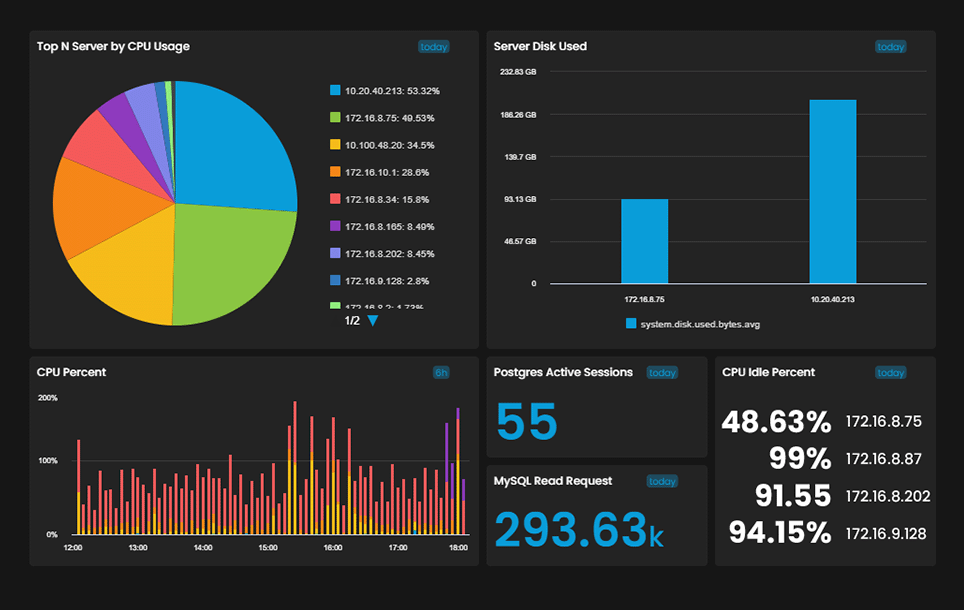
Next-generation network monitoring goes beyond traditional methods of network monitoring. It provides organizations with deeper visibility into their network infrastructure, application performance, and user activities. By leveraging advanced analytics, machine learning, and automation capabilities, next-generation network monitoring solutions enable organizations to detect, analyze, and respond to security threats in real-time. This ensures continuous compliance with regulatory requirements.
Packet Filtering: Fortifying Compliance Measures
Packet filtering mechanisms are a fundamental component of next-generation network monitoring. They involve inspecting individual data packets as they traverse the network. Decisions are made about whether to allow, block, or redirect them based on predefined criteria.
By selectively filtering out irrelevant or unauthorized traffic, organizations can reduce the attack surface and minimize security risks. They can ensure compliance with regulatory mandates. Packet filtering enables organizations to implement access controls and enforce security policies. Organizations can mitigate various types of network-based threats, including malware propagation, DDoS attacks, and data exfiltration attempts.
Comprehensive Monitoring: A Multi-Faceted Approach
However, next-generation network monitoring goes beyond packet filtering alone. To achieve comprehensive compliance and security, organizations must adopt a multi-faceted approach. This approach should encompass a wide range of capabilities. These include deep packet inspection (DPI), behavioral analysis, anomaly detection, and threat intelligence integration.
Deep Packet Inspection (DPI): Unveiling Granular Insights
Deep packet inspection (DPI) enables organizations to inspect the contents of data packets at a granular level. This includes application payloads and protocol headers. By analyzing the actual data payload, DPI enables organizations to classify and prioritize network traffic. They can do so based on application types, user activities, and content categories. This allows for more sophisticated filtering and traffic prioritization strategies. DPI also plays a crucial role in compliance efforts. It enables organizations to monitor and enforce policies related to data privacy, content filtering, and acceptable use.
Behavioral Analysis: Identifying Deviations
Behavioral analysis focuses on identifying deviations from normal behavior within the network. By establishing baseline behavior patterns through continuous monitoring and statistical analysis, behavioral analysis techniques can detect abnormal activities indicative of potential security threats. These include compliance violations, such as unusual traffic patterns, unauthorized access attempts, and anomalous user behavior.
Behavioral analysis enables organizations to detect insider threats, compromised accounts, and unauthorized access attempts. This allows them to take proactive measures to mitigate security risks and ensure compliance with regulatory requirements.
Anomaly Detection: Detecting Emerging Threats
Anomaly detection complements behavioral analysis by focusing on identifying deviations from expected patterns of behavior within the network. By analyzing network traffic, system logs, and user activities in real-time, anomaly detection techniques can identify and flag suspicious activities or events. These may indicate security breaches or compliance violations. Anomaly detection enables organizations to detect previously unseen threats and zero-day attacks that may evade traditional security measures, providing an additional layer of defense against emerging threats.
Integration of Threat Intelligence: Strengthening Security Posture
Furthermore, next-generation network monitoring solutions integrate threat intelligence feeds, such as feeds from commercial providers, open-source sources, and industry collaborations. This enriches their security analytics with contextual information about known threats and emerging risks.
By correlating network traffic data with threat intelligence feeds, organizations can prioritize security alerts, identify high-risk threats, and respond proactively to security incidents. Threat intelligence integration enables organizations to stay ahead of cyber adversaries, adapt to evolving threats, and maintain compliance with regulatory requirements.
Driving Operational Efficiency and Business Agility
In addition to enhancing security and compliance efforts, next-generation network monitoring solutions also offer organizations valuable insights into their network performance, resource utilization, and user behavior. By analyzing network traffic, application performance metrics, and user activities, organizations can identify bottlenecks, optimize resource allocation, and improve the overall efficiency and reliability of their network infrastructure. These insights enable organizations to make informed decisions about capacity planning, infrastructure upgrades, and network optimization. Ultimately, this drives business agility and competitiveness.
Centralized Visibility and Control
Moreover, next-generation network monitoring solutions provide organizations with centralized visibility and control over their entire network infrastructure, including on-premises, cloud-based, and hybrid environments. By consolidating network monitoring tools and data sources into a single platform, organizations can simplify management, reduce complexity, and improve operational efficiency. Centralized visibility enables organizations to monitor and manage their network infrastructure from a unified console. This ensures consistent enforcement of security policies and compliance measures across the entire network.
Conclusion
In today’s regulatory landscape, compliance with industry standards and government regulations is a critical priority for organizations across all sectors. From healthcare to finance to retail, organizations must adhere to a myriad of regulations such as HIPAA, PCI DSS, GDPR, and the Sarbanes-Oxley Act. This ensures the security and privacy of sensitive data and maintains trust with customers and stakeholders. Achieving and maintaining compliance can be a daunting task. It requires organizations to implement robust monitoring and reporting mechanisms to demonstrate adherence to regulatory requirements.
Next-generation network monitoring solutions offer organizations a powerful tool. They streamline compliance and software efforts and ensure adherence to regulatory mandates. By leveraging advanced monitoring capabilities, organizations can gain comprehensive visibility into their network infrastructure. They can monitor data flows in real-time and detect security incidents and compliance violations proactively. Next-generation network monitoring solutions enable organizations to collect, analyze, and report on a wide range of network data, including traffic patterns, user activities, and security events. This provides valuable insights into their compliance posture and security posture.